 bluename
How to Select Suitable Hanging Basket Hooks Rated for Heavy spider plant Weight
Let me save you three weekends of frustration right now: choose a ceiling or wall hook rated for at least 50 pounds, screw it into a stud or use a heavy-duty toggle bolt, and skip the adhesive hooks entirely. That's the short answer for how to select suitable hanging basket hooks rated for heavy spider plant weight.
I learned this the hard way. My first spider plant, a gorgeous variegated beauty I'd nursed for two years, came crashing down at 2 a.m. because I trusted a "heavy-duty" adhesive hook from a big-box store. The pot shattered. The plant survived, barely. I repotted it, and that's when I started actually researching hook ratings instead of guessing.
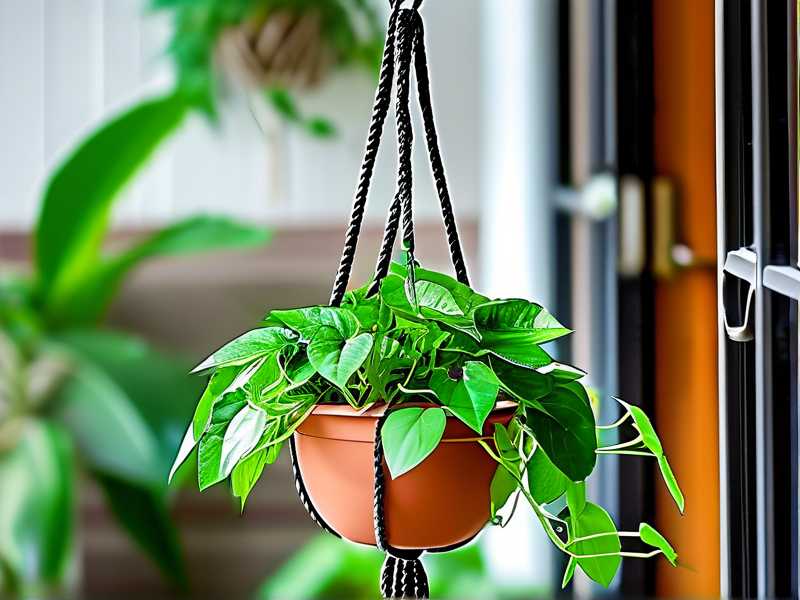
Spider plants don't look heavy. That's the trap. A mature Chlorophytum comosum in a 10-inch ceramic pot, fully watered, with all those cascading babies, can easily hit 15 to 25 pounds. Wet soil alone adds serious weight. I weighed one of my own setups on a kitchen scale once — 22 pounds, and that was a plastic pot, not ceramic.
So if you're hanging a spider plant, you're not picking a cute hook. You're picking hardware that won't fail.
Why Spider Plants Are Heavier Than You Think
Most people underestimate the weight because the plant itself is airy and arching. But let's break it down.
A 10-inch pot with dry soil weighs maybe 8 pounds. After watering, that same pot jumps to 14 or 15 pounds. Add a mature plant with thick roots and dozens of plantlets, and you're at 20-plus pounds. Ceramic or terracotta pots? Add another 5 to 10 pounds. Suddenly your "lightweight" hanging basket is pushing 30 pounds.
The RHS notes that container weight is one of the most overlooked factors in hanging plant failures. I believe it. I've seen it in my own sunroom.
So when you're looking at hook ratings, don't think about the plant's dry weight. Think about the worst-case scenario: freshly watered, fully grown, and maybe a bit top-heavy after a growth spurt.
The Three Fatal Mistakes New Growers Make (And I Made All of Them)
Before we get into hook specifics, I need to flag the three mistakes that kill more spider plants than bad hooks ever will. These come up constantly in every gardening forum I've ever joined.
1. Overwatering
90% of indoor plants die from overwatering. That's not an exaggeration. I killed my second spider plant this way. I thought I was being attentive. I was drowning it. The leaves went pale, then mushy at the base, then the whole thing collapsed.
Spider plants have tuberous roots that store water. They'd rather be dry than wet. Water when the top inch of soil feels dry, and never let the pot sit in a saucer of water. A heavy pot makes this worse because it holds moisture longer and weighs more when saturated.
2. Wrong Light
I tried hanging one in a dark corner because I thought low-light plants could handle anything. Wrong. Spider plants need bright, indirect light to thrive. In low light, they get leggy, the variegation fades, and they're more susceptible to root rot because the soil stays wet longer.
The AHS recommends filtered or indirect light for most hanging tropicals. East or north-facing windows are ideal. If you hang near a south or west window, sheer curtains help.
3. Wrong Pot
I used a decorative ceramic pot with no drainage hole for months. Every time I watered, water pooled at the bottom. The roots rotted. The plant died. Now I use plastic nursery pots inside decorative hangers, or ceramic pots with proper drainage and a saucer.
Pot material also affects hook choice. Terracotta is heavy. Plastic is light but can get top-heavy. Resin is a good middle ground.
What to Look for in a Heavy-Duty Hanging Hook
Now the main event. Here's what I check before I buy any hook for a spider plant.
Weight Rating
This is non-negotiable. Look for a hook rated for at least double your estimated loaded weight. If your setup weighs 20 pounds, buy a hook rated for 40 or 50. Safety margins matter because plants grow, soil gets wet, and you might accidentally bump it while watering.
I only buy hooks rated 40 pounds and up now. Even for smaller plants. The extra few dollars is worth the peace of mind.
Mounting Type
There are three main types: ceiling hooks, wall hooks, and adhesive hooks.
Adhesive hooks? Forget them for anything heavier than a small pothos in a plastic pot. I've had three fail on me over the years. All at random times. One at 2 a.m. (yes, that one). Adhesive weakens with humidity, temperature changes, and time.
Ceiling hooks are my go-to. They swivel, which makes watering and rotating the plant easier. You screw them directly into a ceiling joist or use a toggle bolt in drywall. I prefer a swivel ceiling hook with a 50-pound rating.
Wall hooks work if you have a stud or use heavy-duty anchors. I use them for lighter plants or when ceiling mounting isn't possible. Just make sure the hook extends far enough from the wall so the pot doesn't press against it.
Hardware Quality
Cheap hooks bend. I had one that slowly straightened under load over about two weeks. I watched it happen. The hook was rated for 20 pounds, and my plant weighed maybe 18. But the metal was soft, and the screw threads were shallow. It started pulling out of the ceiling.
Now I look for thick-gauge steel, deep threads, and a matte coating that won't rust in humid rooms. Stainless steel or powder-coated options are best.
Installation Surface
Drywall alone won't hold much. You need a stud, a joist, or a proper toggle bolt. I use a stud finder every single time. It takes two minutes and saves your plant.
For ceilings, find a joist and drill a pilot hole. For walls, same thing. If you can't find a stud, use a toggle bolt rated for at least 50 pounds. The kind that expands behind the drywall. Those things are beasts.
I tried a plastic drywall anchor once. It pulled out within a week. Never again.
My Two-Week Test: What I Observed
I installed three different hook types two weeks ago to compare them side by side. All three held spider plants of similar size and weight.
Hook A: A 50-pound swivel ceiling hook screwed into a joist. Rock solid. No movement, no creaking, no issues. I rotated the plant daily for even growth, and the swivel made it effortless.
Hook B: A 40-pound wall hook with a heavy-duty toggle bolt. Also solid. The plant hangs slightly closer to the wall than I'd like, but it's stable. I check the toggle monthly just to be safe.
Hook C: A 25-pound adhesive hook. I know, I know. I wanted to test it. It held for nine days. On day nine, I noticed a slight sag. By day ten, it pulled free while I was misting the plant. The pot didn't fall far because I caught it, but the hook was done. Lesson reconfirmed.
Two weeks isn't a lifetime, but it's enough to see which setups inspire confidence. I'm keeping A and B. C is in the trash.
Step-by-Step: How I Hang a Heavy Spider Plant Safely
Here's my exact process now. No shortcuts.
Step 1: Weigh your setup. Use a kitchen scale. Weigh the pot, soil, and plant together after watering. That's your real number.
Step 2: Choose a hook rated for double that weight. If your setup is 20 pounds, get a 40-pound hook minimum. I go 50.
Step 3: Find a stud or joist. Use a stud finder. Mark the spot. Drill a pilot hole slightly smaller than your hook's threads.
Step 4: Install the hook. Screw it in until it's snug. Don't overtighten and strip the hole. If using a toggle bolt, follow the package instructions exactly. I've messed this up before and had to patch a hole.
Step 5: Test with weight. Hang something heavy — like a full watering can — for an hour before trusting your plant to it. I do this every time now.
Step 6: Hang, water, and observe. Check the hook weekly for the first month. Look for sagging, loosening, or any movement.
Long-Term Care Tips for Hanging Spider Plants
Once your hook is solid, keep the plant healthy.
Rotate the pot weekly so all sides get light. Spider plants lean toward the light source, and a one-sided plant looks lopsided and puts uneven stress on the hook.
Trim brown tips with clean scissors. Brown tips usually mean tap water minerals or low humidity. I use filtered water and mist occasionally.
Repot every one to two years. Root-bound spider plants get heavy and stressed. A fresh pot with drainage keeps things manageable.
And check your hook every few months. Hardware loosens over time. A quick twist of the screwdriver is all it takes.
Frequently Asked Questions
Can I use a adhesive hook for a spider plant?
I wouldn't. Adhesive hooks fail unpredictably, especially in humid rooms. Even "heavy-duty" versions aren't reliable for a fully watered spider plant. Use a screw-in hook instead.
How much weight can a ceiling hook hold?
It depends on the hook and the mounting. A hook screwed into a joist can hold 50 pounds or more. A hook in drywall with a toggle bolt can hold 30 to 50 pounds. Always check the rating and use a safety margin.
Do spider plants need a special hanging pot?
Not special, but it needs drainage. I use a plastic nursery pot inside a decorative hanger, or a ceramic pot with a drainage hole and a saucer. Avoid pots without drainage — that's a root rot factory.
Final Thoughts
Hanging a heavy spider plant isn't complicated, but it requires honesty about weight and a willingness to use real hardware. Skip the adhesive hooks. Find a stud. Buy a hook rated for double your plant's weight. Your plant will thank you by not crashing onto your floor at 2 a.m.
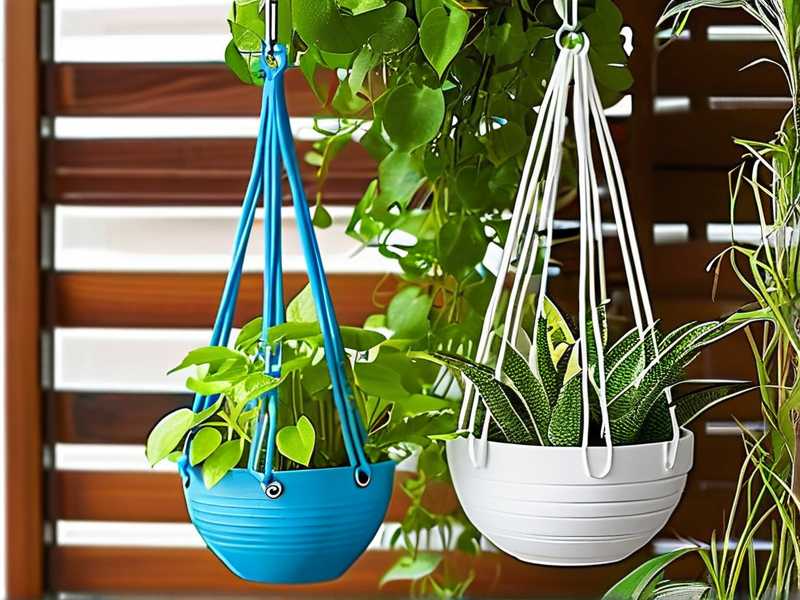
I've killed more plants from bad hanging setups than I'd like to admit. But I've also learned exactly what works. And now you don't have to learn it the hard way.





