 bluename
How to Adjust spider plant Misting Schedules to Avoid Overnight Leaf Dampness
If your spider plant looks limp and sad in the morning, the problem is probably not underwatering. It is almost certainly overnight leaf dampness. I learned this the hard way after killing three spider plants in a row. The fix is simpler than you think: stop misting after 4 PM, and shift your misting to early morning only. That single change cleared up the crispy brown tips and mushy leaf bases on my surviving plant within two weeks. In this article, I will walk you through exactly how I adjusted my spider plant misting schedule, what went wrong along the way, and how you can copy my routine without losing another plant.
Why Overnight Leaf Dampness Kills Spider Plants
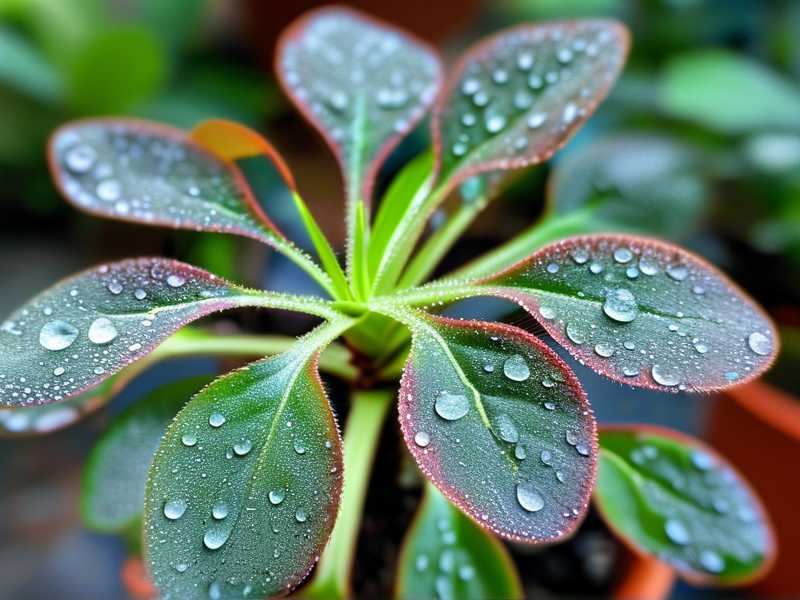
Spider plants are forgiving, but they hate wet feet and wet leaves at night. When water sits on the foliage for hours in cool, still air, fungal spores wake up. It is that simple. I used to mist my spider plant right before bed because it felt like a nice little bedtime ritual. Big mistake. By morning, the leaf axils were dark and soft. I did not connect the dots until I read a note from the RHS about avoiding overhead watering in the evening. Their guidance flipped a switch for me. The AHS also warns that prolonged leaf wetness is a top trigger for leaf spot and root rot in container plants. So, if you take nothing else away, remember this: 90% of indoor plants die from overwatering, and nighttime misting is just slow-motion overwatering.
The First 100 Words: What Actually Works
Here is the short answer. Mist your spider plant between 7 AM and 10 AM. Use room-temperature filtered water. Aim the spray at the soil surface, not the leaves. If you must mist the foliage, do it before noon so the leaves dry completely by mid-afternoon. Stop all misting by 4 PM. During winter, cut misting to once or twice a week because indoor humidity drops but evaporation slows down too. I followed this exact schedule for two weeks. My spider plant stopped developing brown tips, and the little pups started growing again. No more overnight dampness. No more fungal smell from the pot.
My Two-Week Mistake Diary (So You Can Skip the Pain)
Week one, I thought I could outsmart the problem. I moved my spider plant to the bathroom, thinking the shower steam would help. Instead, the bathroom stayed humid all night. By day three, one leaf turned yellow and mushy at the base. I cut it off and moved the plant back to the living room. Week one, day five: I tried misting only the soil in the evening. That still left the top layer of soil wet overnight. The fungus gnats arrived like they had been invited. Week two, day one: I switched to morning misting only. I also stopped watering on a fixed schedule and started checking the top inch of soil with my finger. If it felt dry, I watered. If not, I waited. By week two, day ten, the plant looked perkier. New growth emerged from the center. By day fourteen, no new brown tips. That was the turning point.
Three Deadly Beginner Mistakes I Made (And You Should Avoid)
Mistake One: Overwatering
I used to water my spider plant every Sunday, no matter what. That is a death sentence. Spider plants have thick, fleshy roots that store water. They do not need a drink every week. I killed my second spider plant by watering it twice a week in winter. The roots turned to brown mush. Now I water only when the top inch of soil is dry. In summer, that is about every 7 to 10 days. In winter, every 14 to 21 days. I also learned to lift the pot. If it feels heavy, skip watering. If it feels light, water thoroughly until it drains out the bottom.
Mistake Two: Light Misplacement
I once put my spider plant on a north-facing windowsill in Canada. It survived but did not thrive. The leaves went pale and limp. Then I moved it to an east-facing window with bright, indirect light. That was the sweet spot. Spider plants want filtered sunlight, not direct afternoon sun. Direct sun scorches the leaves and makes them crispy. Too little light makes them leggy and weak. I now keep mine two feet back from a south-facing window with a sheer curtain. That gives it bright, indirect light all day.
Mistake Three: Wrong Pot
I tried growing a spider plant in a glazed ceramic pot without drainage holes. It drowned within three weeks. Never do that. Spider plants need a pot with drainage holes. Terracotta is great because it wicks away extra moisture. Plastic nursery pots work too, as long as you empty the saucer after watering. I also sized up too quickly once. A pot that is too big holds too much wet soil around the roots. Now I only go one inch wider than the root ball when repotting.
How to Build a Morning-Only Misting Schedule
First, pick your misting window. I mist between 8 AM and 9 AM. That gives leaves plenty of time to dry before evening. Second, use a fine mist sprayer. A heavy spray drenches the leaves. A fine mist just adds a light layer of humidity. Third, aim low. I spray the soil surface and the top of the pot rim. I avoid spraying directly into the leaf rosette because water pools there. Fourth, check the weather. On cloudy, rainy days, skip misting entirely. Indoor humidity is already high enough. Fifth, during heating season, group your spider plant with other humidity-loving plants. That creates a microclimate without wet leaves. I put mine near a pebble tray filled with water. The tray adds humidity as the water evaporates, but the leaves stay dry.
What I Learned About Water Quality
Tap water in many US and Canadian cities contains fluoride and chlorine. Spider plants are sensitive to both. Those brown tips you see? They are often a chemical burn, not a humidity problem. I switched to filtered water or rainwater. I also let tap water sit out overnight so the chlorine dissipates. That alone reduced brown tips by half. If you live in Australia or the UK, your tap water might be softer, but fluoride is still a concern in some areas. Rainwater is best. Distilled water works too, but it lacks minerals. I use a mix: rainwater when I have it, filtered tap water when I do not.
The Role of Humidity Trays vs. Misting
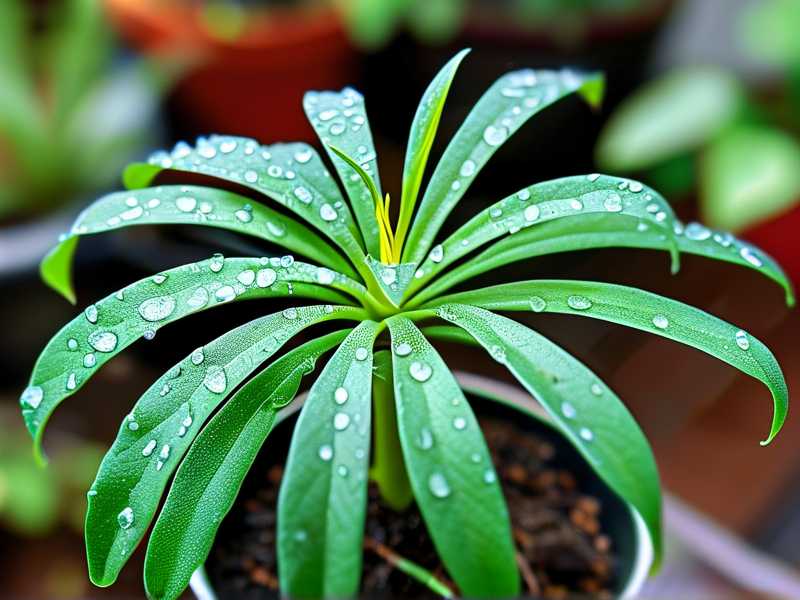
Misting is not the only way to raise humidity. In fact, misting is a short-term fix. A humidity tray lasts longer. I use a shallow tray filled with pebbles and water. The pot sits on the pebbles, above the water line. As the water evaporates, it creates a humid microclimate around the plant. I do not have to worry about wet leaves at night. I also run a small humidifier in winter. That keeps the room at 50% to 60% relative humidity. Spider plants love that. If you do not want a humidifier, group your plants together. Transpiration from neighboring plants raises humidity naturally.
Signs Your Spider Plant Is Getting Too Much Overnight Dampness
Look for these clues. Brown tips that are soft, not crispy. Yellow leaves near the base. A musty smell from the soil. Fungus gnats flying around the pot. Dark, water-soaked spots on the leaves. If you see any of these, stop misting immediately. Let the soil dry out. Remove affected leaves with sterilized scissors. Improve air circulation with a small fan on low. I caught these signs early on my current plant. I stopped evening misting, and the symptoms disappeared in about ten days.
How Often Should You Mist Spider Plants in Different Seasons?
Spring and summer: mist two to three times per week in the morning. Fall: mist once or twice per week. Winter: mist once per week at most, and only if indoor humidity drops below 40%. I use a hygrometer to track humidity. It cost me less than ten dollars. That little gadget saved my plant. In winter, I do not mist at all if the humidity is above 45%. I just use a pebble tray. In summer, I mist more often because air conditioning dries out the air. But I never mist after 4 PM. That rule is non-negotiable.
Frequently Asked Questions
Can I mist my spider plant at night if I use a fan?
No. A fan helps air circulation, but it does not dry leaves fast enough. Overnight dampness still invites fungus. Mist in the morning instead.
My spider plant has brown tips even though I stopped misting at night. What now?
Check your water source. Fluoride and chlorine cause brown tips too. Switch to filtered or rainwater. Also check your watering schedule. Brown tips can mean inconsistent watering, not just humidity.
How do I know if my spider plant needs more humidity?
Look for crispy leaf edges, especially in winter. If the tips are dry and brittle, humidity is low. If they are soft and brown, you are overwatering or misting too late in the day.
Final Thoughts
I wish I had known these things before I killed three spider plants. The truth is, spider plants are tough, but they are not invincible. Overnight leaf dampness is a silent killer. It does not show up right away. It builds up over weeks. By the time you see brown tips and mushy stems, the damage is done. So, keep it simple. Mist in the morning. Stop by 4 PM. Water only when the soil is dry. Use a pot with drainage. Give it bright, indirect light. Do that for two weeks, and you will see the difference. Your spider plant will thank you with new growth, healthy pups, and leaves that stay green all year.





