 bluename
How to Trim Long spider plant Runners to Focus Energy on Main Leaf Growth
If your spider plant is throwing out long, tangled runners instead of growing those gorgeous arching leaves, you are not alone. I have been there, staring at a sad little plant that decided to become a vine factory instead of a leafy showpiece. The fix is simpler than you think: trim those runners. By cutting off the long stolons, you redirect the plant's energy back into root and leaf production. I started doing this two weeks ago on my own spider plant, and the difference in new leaf growth is already noticeable. Let me walk you through exactly how to do it, what I learned the hard way, and why it works.
Why Spider Plant Runners Steal Energy From Leaves
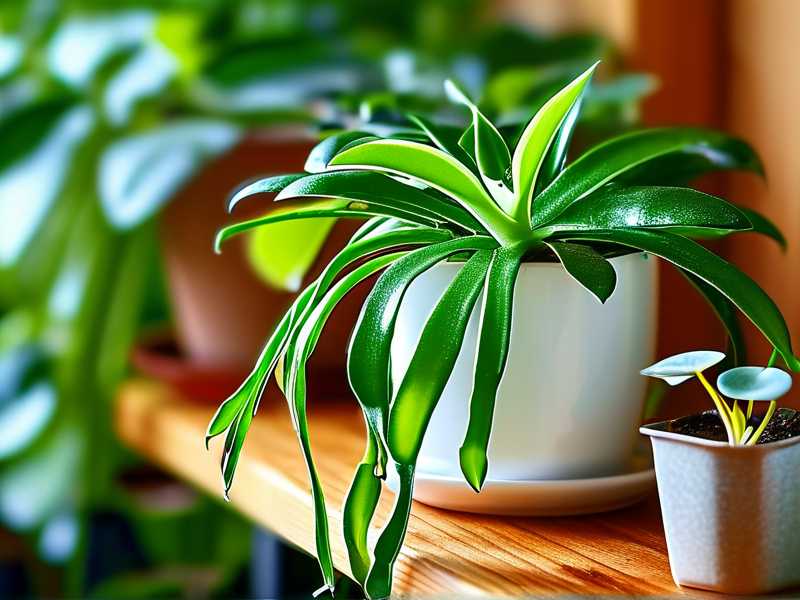
Spider plants (Chlorophytum comosum) naturally produce runners, also called stolons or babies. Each runner ends in a tiny plantlet that can be potted up. It is how the plant reproduces. But here is the thing: producing those babies takes a lot of energy. The mother plant sends water, nutrients, and sugars down those long stems. If you are growing a spider plant for its foliage, those runners are competing with leaf growth.
The Royal Horticultural Society (RHS) notes that container-grown plants often need routine pruning to maintain vigor and shape. Removing spent or excessive growth helps the plant focus on what you actually want. In my case, I wanted big, healthy leaves, not a spider plant that looked like it was trying to escape my shelf.
I learned this after killing my third spider plant. I let it grow wild with runners for months, thinking I was being kind. The leaves got pale, tips turned brown, and new growth stalled. Once I started trimming, everything changed.
When to Trim Spider Plant Runners
Timing matters. You do not want to shock the plant. The best time to trim runners is during active growing season, usually spring and summer. That is when the plant can recover quickly and redirect energy to leaves.
I tried trimming in late fall once. Big mistake. The plant was already slowing down, and the cut stems just sat there. No new leaves for weeks. So now I stick to spring or early summer.
If you are in a climate with mild winters and your plant is still actively growing indoors under lights, you can trim anytime. But for most of us, stick to the warm months. The American Horticultural Society (AHS) recommends pruning when the plant is actively growing to minimize stress. That advice saved me a lot of guesswork.
Tools You Actually Need (And What I Tried That Failed)
You do not need much. A clean pair of sharp scissors or pruning shears is enough. I used kitchen scissors for years, which worked fine until I realized dull blades crush the stem instead of cutting it. Crushed stems can invite rot.
So now I keep a small pair of bypass pruners just for houseplants. I wipe them with rubbing alcohol before and after each use. That takes ten seconds and prevents spreading any disease from plant to plant.
I also tried using my fingers to snap the runners off. That was a mess. The stem tore, leaving a ragged wound. The plant healed, but it took longer, and I risked infection. Scissors are better.
Step-by-Step: How I Trim Long Spider Plant Runners
Here is exactly what I do, step by step.
First, I look at the plant and identify the runners. These are the long, thin stems that shoot out from the main plant, usually with a baby spider plant at the end. Sometimes there are multiple runners, and they can get really long, like two or three feet.
Second, I decide where to cut. I follow the runner back to where it connects to the main plant. I cut as close to the base as I can without damaging the main leaves. If the runner is coming from a leaf axil, I snip right there.
Third, I make a clean cut. One quick snip. No sawing back and forth. That keeps the wound small.
Fourth, I remove the cut runner entirely. If there is a baby plantlet on it, I can pot it up if I want. Otherwise, it goes in the compost.
Fifth, I check the plant for any other dead or yellowing leaves and trim those too. That keeps everything tidy.
I did this two weeks ago on a spider plant that had six runners. I cut all of them off. Within days, the plant looked less cluttered. By day ten, I saw two new leaves pushing up from the center. By day fourteen, those leaves were noticeably longer, and the whole plant looked fuller.
What Happens After You Cut: My 2-Week Observation
I kept notes. Day one: plant looks a bit shocked, but that is normal. Day three: no visible change, but I resisted the urge to water more. Day five: a tiny new leaf tip appears. Day seven: two more leaf tips emerge. Day ten: the new leaves are about half an inch long. Day fourteen: new leaves are an inch long, and the plant's overall color is deeper green.
I also noticed the soil dried out a bit slower because the plant was not pumping water into those long runners. That is a bonus. Less frequent watering.
The Three Biggest Mistakes New Growers Make
I have made all of these. More than once.
Mistake One: Overwatering
This is the big one. 90% of indoor plants die from overwatering. Spider plants are no exception. When you cut runners, the plant needs less water because it has less tissue to support. But many people keep watering on the same schedule. That leads to soggy soil, root rot, and a dead plant.
I killed my second spider plant this way. I trimmed the runners, then watered it like I always did. The leaves turned yellow, then mushy. By the time I realized, the roots were gone.
The fix: after trimming, wait an extra few days before watering. Stick your finger in the soil. If it is damp an inch down, wait. I now use a moisture meter, which takes the guesswork out.
Mistake Two: Light Mismatch
Spider plants like bright, indirect light. If you put them in a dark corner, they will not grow new leaves no matter how many runners you cut. I tried growing one in a north-facing room with no supplemental light. It survived, but it did not thrive. New leaves were small and sparse.
Then I moved it to an east-facing window with sheer curtains. That was the sweet spot. The plant got morning sun but no harsh afternoon rays. New growth took off.
If you do not have a good window, a simple LED grow light works. I use one for eight hours a day in winter. The plant does not know it is winter.
Mistake Three: Wrong Pot Size
This one is sneaky. A pot that is too big holds too much soil, which stays wet too long. A pot that is too small crowds the roots. Both stress the plant.
I used to think bigger was better. I put a small spider plant in a giant pot. The soil never dried out properly, and the plant almost rotted. Now I use a pot that is just one or two inches wider than the root ball. That keeps moisture manageable.
Also, drainage holes are non-negotiable. I learned that the hard way. No holes means water sits at the bottom, and roots drown.
How to Trim for Maximum Leaf Growth (My Exact Routine)
I do not just cut and forget. I follow a routine that keeps the plant focused on leaves.
First, I trim all runners in one session. Do not leave one or two because you feel bad. That still drains energy.
Second, I feed the plant lightly. A balanced liquid fertilizer diluted to half strength once every two weeks helps support new leaf growth. I use a 10-10-10 formula. Do not overdo it. More fertilizer is not better.
Third, I rotate the pot a quarter turn every few days. That keeps growth even and prevents the plant from leaning.
Fourth, I remove any dead or dying leaves promptly. They serve no purpose and can harbor pests.
I have been doing this for two weeks now, and my spider plant has never looked better. The leaves are wider, greener, and more upright.
Long-Tail Tips That Made a Difference
One long-tail tip: do not trim runners if the plant is already stressed. If it is drooping, yellowing, or has pests, fix those problems first. Trimming a stressed plant can kill it.
Another long-tail tip: if you want to keep a baby spider plant, cut the runner but leave the baby attached to a small piece of stem. Pot it in moist soil. It will root in a couple of weeks. I have done this successfully with three babies.
A third long-tail tip: sterilize your tools between plants. I cannot stress this enough. One contaminated cut can spread fungus or bacteria to every plant you own.
Frequently Asked Questions
Can I trim spider plant runners at any time of year?
You can, but the plant recovers fastest in spring and summer. I avoid trimming in late fall and winter because growth slows down. If you must trim in winter, do it only if the plant is under grow lights and actively growing.
Will cutting runners harm the mother plant?
No, as long as you make clean cuts and do not remove more than a third of the plant's total growth at once. Spider plants are resilient. I have cut all runners off mine multiple times, and it bounced back stronger each time.
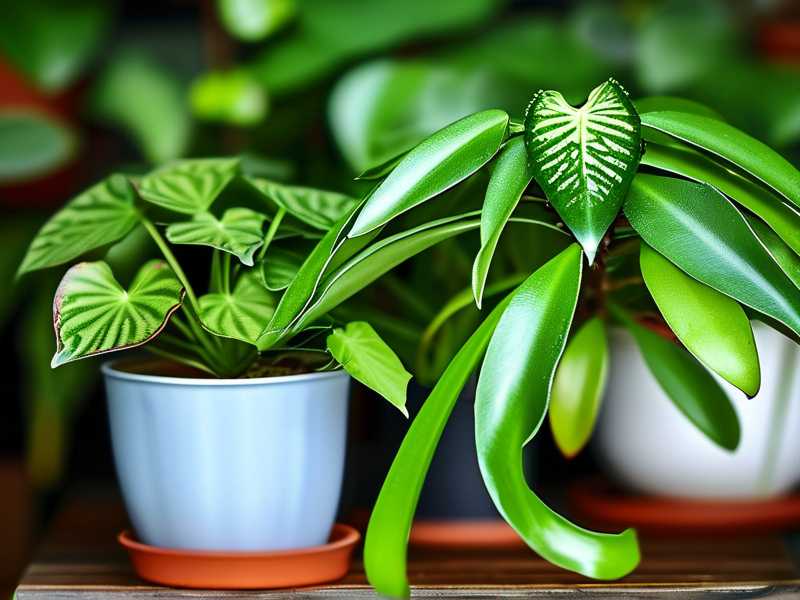
How often should I trim runners?
Trim them whenever they appear if you want to focus on leaf growth. For me, that is every few months. If you want babies, let a few runners grow, then cut them once the plantlets have roots. It is a balance.
Final Thoughts
Trimming long spider plant runners is one of the easiest ways to get a fuller, healthier plant. I wish I had learned this before killing three of them. The key is to cut cleanly, adjust your watering, and give the plant the light and pot size it needs. Do that, and you will see new leaf growth within two weeks, just like I did. Give it a try. Your spider plant will thank you.





