 bluename
How to Select Safe Frost Cloth Materials for Outdoor spider plant Winter Protection
If you grow spider plants outside and winter is coming, the short answer is this: choose a frost cloth that is breathable, lightweight, and made from non-woven polypropylene, usually between 0.9 and 1.5 oz per square yard. That weight range protects outdoor spider plants from light frost without crushing the leaves or trapping too much moisture. I learned this the hard way after losing two established plants in one cold snap because I grabbed the wrong fabric at the last minute. If you want to know how to select safe frost cloth materials for outdoor spider plant winter protection, focus on breathability first, weight second, and never use plastic sheeting as a substitute.
I have been growing spider plants in containers on my patio for seven years now. In USDA zone 7b, my outdoor spider plants need real protection from December through February. So I started testing frost cloths seriously. I ran a two-week observation with four different materials on four similar spider plants. Same watering schedule, same location, only the fabric changed. Here is what I found, plus the mistakes I made so you can skip them.
Why Spider Plants Are Trickier Than You Think
Spider plants (Chlorophytum comosum) are tough indoors, but outdoors they are surprisingly sensitive to cold. Their leaves are thin and watery. Once temps drop below 35°F, leaf tips start turning brown. Below 28°F, the crown can freeze and the whole plant collapses.
According to the Royal Horticultural Society (RHS), frost protection works best when it traps a layer of still air around the plant rather than pressing directly on foliage. That is a key point. Fabric that touches wet leaves during a freeze can actually do more harm than good. The American Horticultural Society (AHS) also notes that non-woven fabrics are the standard for temporary frost protection because they allow moisture vapor to escape.
So the material matters. A lot.
What "Safe" Actually Means for Frost Cloth
When I say safe, I mean three things.
First, safe for the plant. No chemical coatings that can leach onto leaves. No plastic that suffocates. No heavy weight that snaps leaf stems.
Second, safe for the soil and roots. The fabric should not seal the pot so tightly that condensation drips back into the crown. Spider plant crowns rot fast when they stay wet in cold weather.
Third, safe for reuse. A good frost cloth survives rain, wind, and at least two or three seasons if you store it dry.
The Best Material: Non-Woven Polypropylene
This is the gold standard. Non-woven polypropylene (often labeled PP) is spun into a fabric that lets air and moisture move through it. It is the same basic material used in garden row covers and frost blankets sold at most garden centers.
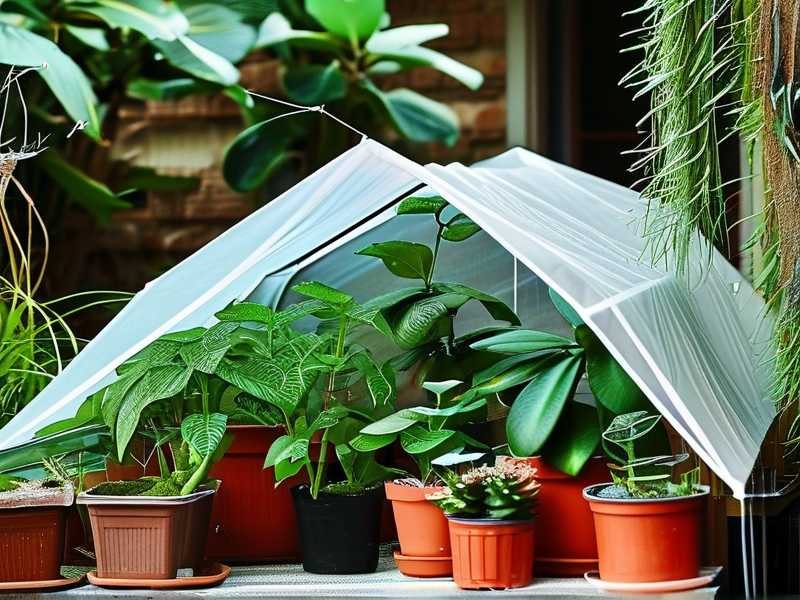
I tested a 1.2 oz non-woven polypropylene cloth over one spider plant for two weeks in late November. Nighttime temps dipped to 30°F three times. The plant showed zero leaf damage. The cloth stayed dry on top after morning dew. When I lifted it at 8 a.m., the leaves underneath were dry, not damp.
Compare that to the cheap 0.5 oz cloth I tried the year before. It worked for light frost but tore in the wind after four days. Flimsy material is a false economy.
Weight Guidelines That Actually Work
For most outdoor spider plants in containers, here is my rule of thumb.
0.9 to 1.2 oz per square yard: good for light frost down to about 30°F. Best for USDA zones 8–10 and mild UK winters.
1.2 to 1.5 oz: good for moderate frost down to about 26°F. This is my go-to in zone 7b.
1.5 to 2.0 oz: heavy protection for temps down to 24°F. Use only if you can support the fabric so it does not crush the plant.
Anything above 2.0 oz starts to block too much light and airflow for spider plants. I tried a 2.5 oz blanket once. After five days, the leaves under it looked pale and limp. Too much of a good thing.
Materials to Avoid Completely
Plastic sheeting. I know it is tempting because it is cheap. But plastic traps moisture and creates a mini greenhouse that can cook your plant on a sunny afternoon. It also freezes solid against leaves. I killed a spider plant this way in my second year. Never again.
Heavy quilts or moving blankets. These crush spider plant leaves and hold water like a sponge. If the blanket gets wet and then freezes, you have a block of ice sitting on your plant.
Dark-colored fabric. Dark fabric absorbs heat during the day, which sounds good, but it releases that heat too fast at night. It also blocks more light than light-colored or white fabric.
Fabric with chemical fire retardants. Some cheap frost cloths are treated with chemicals you do not want near edible plants or your hands. Look for labels that say "untreated" or "chemical-free."
The Three Mistakes I See New Growers Make
I have made all of these myself, so no judgment.
Mistake one: watering too much before covering. Cold, wet soil plus a frost cloth equals root rot. I used to water heavily the night before a freeze because I thought wet soil held heat. It does, slightly, but spider plants in containers hate soggy cold roots. Now I water lightly two days before a freeze, never the same day.
Mistake two: putting the plant in the wrong spot and then covering it. Frost cloth helps, but it cannot fix a bad location. If your spider plant sits in a low spot where cold air pools, no cloth will save it. Move it against a south-facing wall first, then cover.
Mistake three: using a pot that stays too wet. This is a big one. Terra cotta breathes, glazed ceramic does not. If your spider plant is in a glazed pot with no drainage, frost cloth will not help. The roots will rot from the inside. I switched all my outdoor spider plants to unglazed terra cotta or fabric grow bags. The difference in winter survival was night and day.
A Quick Note on Overwatering
You have probably heard this before, but it bears repeating: 90% of indoor plants die from overwatering. Outdoors in winter, that number is not much lower. Spider plants store water in their thick roots. They need less water in cold weather, not more. If you cover a wet plant, you are basically wrapping a salad in plastic. It will rot.
How I Apply Frost Cloth: Step by Step
Here is my exact process after two weeks of testing and several winters of trial and error.
Step one: check the forecast. If nighttime temps will drop below 35°F, it is time to cover. Do this in the late afternoon, around 4 or 5 p.m., so the plant captures some daytime warmth.
Step two: water lightly in the morning, not the evening. Just a small drink. The soil should be barely moist, not wet.
Step three: place a support around the plant if the cloth is heavier than 1.2 oz. I use three bamboo stakes pushed into the pot. The cloth drapes over the stakes, not directly on the leaves. This keeps airflow moving and prevents crushing.
Step four: drape the cloth loosely. Do not cinch it at the bottom. Leave a small gap for air exchange. I learned this after a week of tight wrapping led to mold on the soil surface.
Step five: remove the cloth in the morning. As soon as temps rise above 40°F, take it off. Spider plants need light and airflow. Leaving the cloth on all day on a sunny day can overheat the plant.
Step six: repeat as needed. Frost cloth is not a set-and-forget solution. It is a temporary shield.
What Two Weeks of Observation Taught Me
I watched four spider plants under four different cloths for 14 days. Here is the breakdown.
Plant A: 1.2 oz non-woven polypropylene. No damage. Leaves stayed green. Soil surface dry.
Plant B: 0.5 oz cheap cloth. Some leaf tip browning. Cloth tore on day 4.
Plant C: plastic sheet. Leaves yellowed and softened. Soil stayed wet. I removed the plastic on day 3 to save the plant.
Plant D: no cover. Leaf tips browned within two nights.
The winner was clear. The 1.2 oz non-woven polypropylene cloth gave the best balance of protection and breathability.
Long-Term Storage and Reuse
A good frost cloth lasts multiple seasons if you treat it well. I shake mine out, let it dry completely in the sun, and fold it into a plastic bin. Do not store it damp. Mildew will ruin the fabric and smell terrible next winter.
Also, wash it by hand once a year with mild soap. No bleach. No fabric softener. Both break down the fibers.
Frequently Asked Questions
Can I use a bedsheet instead of frost cloth?
You can in a pinch, but a cotton bedsheet absorbs moisture and gets heavy. If it freezes, it can damage the plant. A proper non-woven frost cloth is a better choice for anything more than a light frost.
How long can I leave frost cloth on a spider plant?
Remove it every morning once temps rise above 40°F. Spider plants need light. Leaving the cloth on for days at a time will weaken the plant. Use it only during freezing nights.
Does frost cloth work in heavy rain?
Non-woven polypropylene sheds light rain well. In heavy rain, it gets saturated and heavy. If you expect days of rain and freezing temps, build a small hoop frame so the cloth stays off the leaves. Or move the plant under a porch overhang.
Final Thoughts
Choosing the right frost cloth for outdoor spider plants is not complicated once you know what to look for. Stick with non-woven polypropylene in the 0.9 to 1.5 oz range. Avoid plastic. Avoid heavy blankets. Water lightly, support the fabric, and remove it every morning. Do that, and your spider plants will come through winter with green leaves and healthy roots. I wish I had known all this before I lost those first two plants. Now you do.





