 bluename
How to Avoid Overcrowding spider plant Clumps Inside Single Large Planters
I learned the hard way that shoving a whole spider plant clump into one big planter feels efficient at first and turns into a mess by week three. If you want to know how to avoid overcrowding spider plant clumps inside single large planters, the short answer is this: divide the clump before you plant, use a pot only two inches wider than the root ball, and never bury more than three crowns in one container. That single rule saved my fourth spider plant after I killed the first three.
I have been growing spider plants for years now. I have probably potted up more than twenty of them. And I still remember the first time I dumped an entire nursery clump into a giant ceramic pot because it looked "roomy." Big mistake.
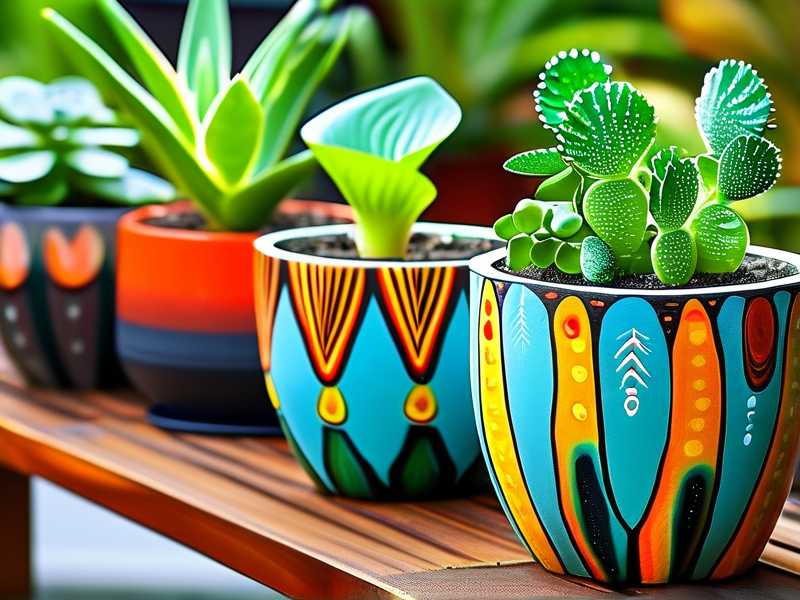
Two weeks later the leaves were yellowing from the base. The soil stayed wet for eleven days. I lifted the plant out and found a soggy mat of roots with zero airflow. That was the day I understood why people say overcrowding is silent death for spider plants.
Why One Big Planter and One Dense Clump Do Not Mix
Spider plants produce thick, fleshy roots. They also throw out lots of offsets, which people call pups. A single clump can hold five, ten, even fifteen crowns packed together.
When you drop that whole clump into one large planter, the roots have nowhere to spread. They just sit there. Water pools in the middle. Air cannot reach the root zone.
The Royal Horticultural Society (RHS) is clear that most houseplants suffer more from poor drainage and congested roots than from too little space. I agree. I have seen it in my own kitchen window.
Also, 90% of indoor plants die from overwatering. That number is not random. Overwatering and overcrowding are basically best friends. A crowded clump in a big pot holds moisture like a sponge. Root rot follows.
The Three Beginner Mistakes I Made So You Do Not Have To
I want to name these plainly because I made all three. Some of them I made twice, honestly.
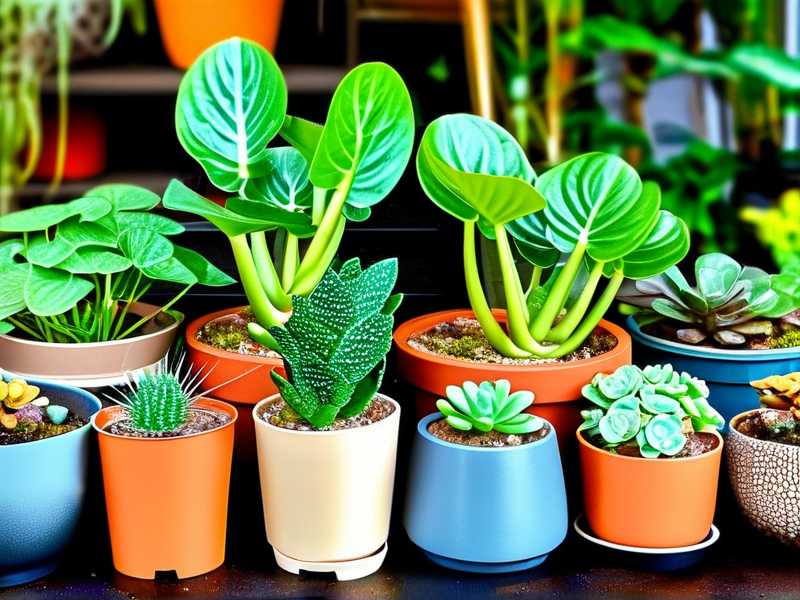
Mistake One: Watering Too Much Because the Pot Looked Dry on Top
I used to stick my finger in the top inch, feel dry soil, and water. But the bottom of that big planter was still soaked. The clump was suffocating.
What I do now: I lift the pot. If it feels heavy, I wait. I also use a wooden skewer pushed deep into the soil. If it comes out damp, no water that day.
Mistake Two: Lighting the Wrong Spot for a Crowded Clump
A dense clump blocks light from reaching the inner leaves. I once placed a crowded spider plant two feet from a south window. The outer leaves looked fine. The middle turned pale and mushy.
Spider plants want bright, indirect light. But when they are packed tight, you need to rotate the pot every few days. I rotate mine a quarter turn each morning with my coffee. It takes five seconds.
Mistake Three: Using the Wrong Planter Size and Material
I tried a 14-inch glazed ceramic pot once. Beautiful. Terrible drainage. The single drainage hole clogged with roots within a month.
Now I use unglazed terracotta or plastic nursery pots with at least three drainage holes. For a standard clump, a 6- to 8-inch pot is plenty. For a large mother plant with pups, a 10-inch pot max. Anything bigger is asking for trouble.
My Step-by-Step Method to Avoid Overcrowding in One Planter
Here is exactly what I did over a two-week period with my latest spider plant. I will walk you through it.
Step 1: Unpot and Separate the Clump
I gently squeezed the sides of the nursery pot. Then I slid the whole root ball out. I did not pull the leaves. I used a chopstick to tease apart the roots.
I found seven distinct crowns tangled together. Some had their own small root systems. Others were sharing roots.
Step 2: Decide How Many Crowns per Planter
This is the key decision. I never put more than three crowns in a single large planter. And even three is pushing it unless the pot is wide and shallow.
For my 10-inch terracotta pot, I planted exactly two crowns. They had room to breathe. The rest went into smaller 4-inch pots.
Step 3: Use the Right Soil Mix
I mix standard potting soil with perlite and orchid bark. Roughly 50% soil, 25% perlite, 25% bark. This keeps the mix airy. Water drains fast. Roots stay happy.
I also add a thin layer of horticultural charcoal at the bottom. Not mandatory, but it helps with odor if you overwater by accident. I have done that. No shame.
Step 4: Plant at the Correct Depth
I plant the crowns so the base sits just above the soil line. If you bury the crown, it rots. I learned that after losing a beautiful variegated spider plant. Buried crown, mushy center, gone in ten days.
Step 5: Water Once and Then Wait
After planting, I water thoroughly until water runs out the drainage holes. Then I do not water again until the top two inches are completely dry. For my 10-inch pot in summer, that took nine days. In winter, closer to fourteen.
What I Observed Over Two Weeks
Day 1: Leaves looked slightly droopy from transplant shock. Normal. I left them alone.
Day 3: The two crowns in the large planter started perking up. The separated pups in small pots looked stressed but stable.
Day 7: New leaf growth appeared on the mother crowns. Tiny, pale green tips. That told me the roots were working.
Day 10: I checked the soil moisture with my skewer. Still slightly damp at the bottom. No water.
Day 14: Soil finally dry two inches down. I watered lightly. No yellowing. No mushy stems. No fungus gnats.
Compare that to my old overcrowded pot. By day 14, that one had yellow lower leaves, a sour smell, and a gnat cloud. This time, nothing.
Long-Term Care to Keep Clumps From Crowding Again
Spider plants grow fast. Even if you start with two crowns, they will multiply. So you need a maintenance rhythm.
I repot every 12 to 18 months. I check the drainage holes. If roots are circling or poking out, it is time.
I also remove pups when they have their own small roots. I snip them off with clean scissors and pot them separately. This keeps the mother clump from turning into a jungle.
The American Horticultural Society (AHS) recommends dividing crowded perennials and houseplants in early spring before active growth. I follow that for spider plants too. Early spring division gives them the whole season to recover.
A Few More Tips From My Own Trial and Error
Do not use a pot that is more than two inches wider than the root ball. I know the big planter looks nice. Resist.
If you must use a large decorative planter, keep the spider plant in a smaller nursery pot and sink that inside. Then you can lift it out to water and dump the excess. I do this with my favorite blue ceramic pot.
Also, never let the pot sit in a saucer of standing water. I did that once for three days. The roots turned brown and smelled like a swamp.
And if you see leaves turning yellow from the base up, do not fertilize. That is a watering or crowding problem, not a nutrient problem. I made that mistake too. Fertilizer made it worse.
FAQ: Three Questions I Get All the Time
Can I plant three spider plant clumps in one 12-inch pot?
I would not. Two is my max for a 12-inch pot. Three crowns will compete for water and air. One will always suffer. If you want a full look, use three separate smaller pots grouped together instead.
How do I know if my spider plant is overcrowded?
Look for roots growing out of the drainage holes. Check if water runs straight through the pot without soaking in. Or lift the plant out gently. If you see more roots than soil, it is overcrowded. I check mine every six months.
What happens if I just leave an overcrowded clump alone?
Short term, nothing dramatic. Long term, you get stunted growth, yellow leaves, and root rot. I left one for a year once. By the end, the center was dead and I had to toss the whole thing. Not worth it.
Final Thoughts From Someone Who Has Killed Plenty of Spider Plants
Avoiding overcrowding in a single large planter is not complicated. It just requires you to fight the urge to dump everything into one big pot. Divide the clump. Use the right size. Water only when dry. Rotate for light.
I wish I had known this before I lost three plants. But now you know. And your spider plant will thank you with healthy leaves and plenty of pups. Just do not overcrowd them. That is the whole secret, really.





