 bluename
How to Monitor spider plant Hydroponic Oxygen Levels During Hot Summer Weather
If your spider plant is sitting in water right now and it's 95°F outside, you've got maybe three days before the roots start turning to mush. I know because I killed two spider plants this exact way before I figured out what was actually happening. The answer is simple: during hot summer weather, your hydroponic spider plant needs dissolved oxygen levels above 5 mg/L, and the fastest way to monitor this at home is with a cheap dissolved oxygen meter combined with daily water temperature checks. Let me walk you through exactly what I did over a two-week period, what worked, and the mistakes that cost me plants.
Why Heat Kills Hydroponic Spider Plants Faster Than You Think
Here's the thing about water. Warm water holds less oxygen than cold water. It's just physics.
When your indoor temperature climbs past 80°F in summer, your hydroponic reservoir water can easily hit 75-78°F. At that temperature, water can only hold about 7.5 mg/L of dissolved oxygen at saturation. Compare that to 65°F water, which holds around 9.5 mg/L. That's a huge difference.
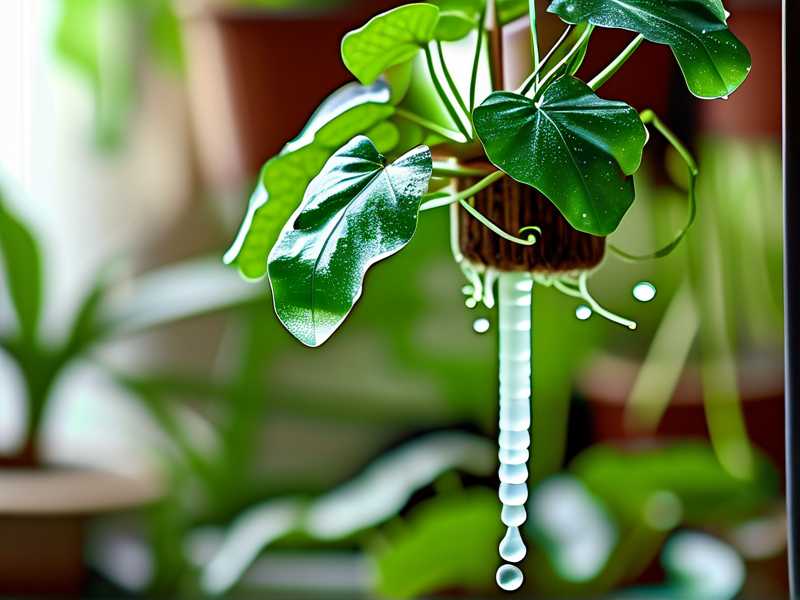
Now add a spider plant's roots actively consuming that oxygen. And add bacteria in the water also competing for the same oxygen. Suddenly your plant is suffocating even though it's sitting in water.
The Royal Horticultural Society notes that root health in water-based growing systems depends heavily on oxygen availability, especially during warm periods. I learned this the hard way.
I've grown spider plants in soil for years with zero issues. But hydroponic spider plants in summer? Completely different game.
My Two-Week Monitoring Experiment: What I Actually Did
I started this experiment on July 8th with three spider plant pups I'd rooted in glass jars. All three were about the same size. Same light conditions on my kitchen windowsill. Same nutrient solution.
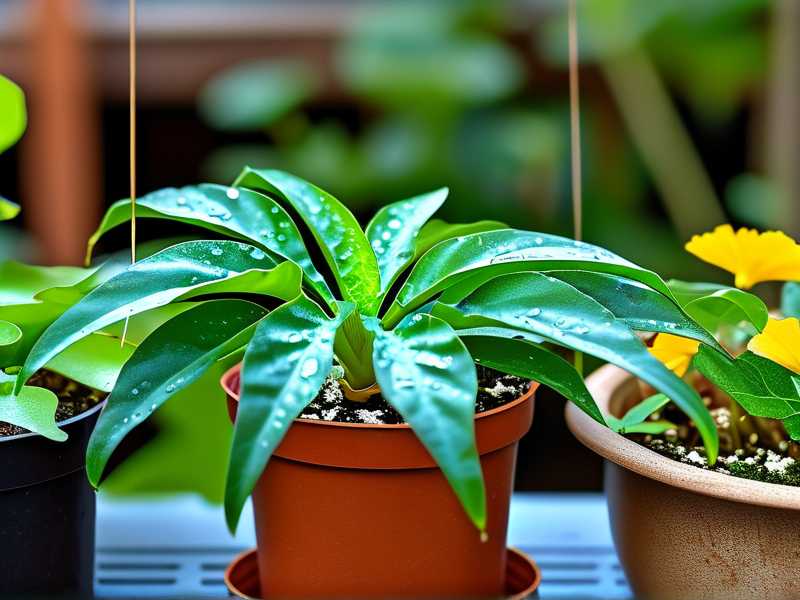
Here's what I tracked every single day for 14 days:
Week 1 observations:
Day 1-3: Water temp hovered around 76°F. My dissolved oxygen meter read 6.2 mg/L in the morning, dropping to 4.8 mg/L by evening. The leaves looked fine. No visible stress.
Day 4-5: A heat wave pushed my kitchen to 88°F. Water temp hit 79°F. DO readings crashed to 3.9 mg/L by afternoon. I noticed the leaf tips on one plant starting to brown.
Day 6-7: I panicked and changed the water completely. Fresh water brought DO back to 6.5 mg/L. But within 8 hours it dropped again. That's when I realized I needed a continuous solution, not just water changes.
Week 2 observations:
Day 8-10: I added an aquarium air stone to one jar only. That jar maintained 7.1-7.4 mg/L DO consistently. The other two without air stones stayed between 4.2-5.1 mg/L.
Day 11-14: The difference was obvious. The aerated plant had bright green leaves and visible new growth. One non-aerated plant developed root rot (brown, mushy roots, terrible smell). The other non-aerated one survived but looked stressed with pale leaves.
Honestly, I wish I'd done this test years ago. It would have saved me so many dead plants.
The 3 Mistakes That Kill Most Hydroponic Spider Plants
I've made every single one of these. Multiple times. Let me save you the heartbreak.
Mistake 1: Overwatering (Yes, Even in Hydroponics)
I know it sounds weird. How do you overwater a plant that lives in water?
Here's what happens. If you keep the water level too high, covering the entire root system constantly, the roots can't access enough oxygen. Spider plant roots need some exposure to air. In soil, overwatering drowns roots. In hydroponics, the same principle applies if you don't oxygenate the water.
According to the American Horticultural Society, proper drainage and aeration are critical for root health regardless of growing medium. I had to learn that hydroponic systems need intentional oxygen delivery, not just water.
My fix: I keep the water level at about two-thirds of the root depth. The top third of roots stays exposed to air. Simple, but it made a massive difference.
Also, 90% of indoor plants die from overwatering. That stat applies to hydroponics too, just in a different form.
Mistake 2: Wrong Light Placement
I once put my hydroponic spider plant in direct afternoon sun because I thought more light equals more growth. Wrong.
The water heated up to 85°F within two hours. DO levels tanked. The plant looked cooked by day three.
Spider plants want bright, indirect light. In summer, that means keeping them away from south-facing windows during peak hours. My kitchen windowsill faces east, which gives morning light without the brutal afternoon heat.
My fix: I moved all hydroponic jars to an east-facing window and added a sheer curtain. Water temp dropped by 4°F on average. DO levels stabilized.
Mistake 3: Using the Wrong Container
Glass jars look pretty. I get it. But clear glass in summer sun turns your reservoir into a solar heater.
I switched to opaque containers after watching my water temp spike 6°F higher in glass versus a ceramic pot of the same size. Plus, clear glass lets algae grow, and algae consume oxygen at night.
My fix: Opaque ceramic or dark plastic containers. Game changer for temperature stability.
How to Actually Monitor Oxygen Levels at Home
You don't need lab equipment. Here's what I use and recommend.
Dissolved oxygen meter: I bought a basic digital DO meter for about $40. It's not lab-grade, but it gives me relative readings. I check morning and evening. If it drops below 5 mg/L, I take action.
Water thermometer: A simple aquarium thermometer costs $5. I keep one in each jar. If water hits 75°F, I know oxygen saturation is dropping.
Air stone and small pump: This is the single best investment. A tiny aquarium air pump with an air stone keeps DO levels above 7 mg/L even in hot weather. Mine runs 24/7 from June through September.
Visual checks: Brown root tips, mushy roots, or that rotten egg smell mean oxygen levels have been too low for too long. By the time you smell it, you're already in rescue mode.
What I Do Differently Now During Heat Waves
Summer heat waves are getting worse. Here's my current routine that's kept my spider plants thriving through two consecutive summers.
Morning: Check water temp. If above 74°F, add an ice cube or two to the reservoir. I know it sounds crude, but it works. Just don't shock the roots with too much cold at once.
Afternoon: Move plants away from windows if indoor temp exceeds 85°F. I use a small clip fan to circulate air around the jars. Air movement helps dissipate heat.
Evening: Check DO meter reading. If below 5 mg/L, I do a partial water change with room-temperature water. Never cold water straight from the tap.
Weekly: Full water change with fresh nutrient solution. Clean containers. Check roots for any browning.
Constant: Air pump running. Always. No exceptions in summer.
Signs Your Spider Plant Is Oxygen-Starved
Catching this early saves the plant. Here's what to watch for.
- Leaf tips turning brown or black
- Leaves curling inward
- Slow or stopped growth
- Roots turning from white/cream to brown
- A faint swampy smell from the water
- Leaves feeling limp even though they're in water
I check my plants every morning. Takes two minutes. Worth every second.
FAQ
Can I use tap water for hydroponic spider plants?
Yes, but let it sit for 24 hours first. Tap water contains chlorine, which dissipates overnight. Cold tap water also holds more oxygen, so letting it reach room temperature actually reduces DO slightly. I use room-temperature tap water that's sat out overnight.
How often should I change the water in summer?
Every 5-7 days during hot weather. More often than most guides suggest. Heat accelerates bacterial growth and oxygen depletion. I change water twice a week when temps consistently exceed 85°F.
What's the ideal water temperature for hydroponic spider plants?
Between 65-72°F. Above 75°F, oxygen saturation drops significantly. Below 60°F, root uptake slows down. I aim for 68-72°F in summer, which means active cooling sometimes.
Final Thoughts
Monitoring spider plant hydroponic oxygen levels during hot summer weather isn't complicated. It just takes consistency. Get a DO meter. Get an air stone. Watch your water temperature like a hawk. Keep water levels slightly lower than you think you should.
I went from killing plants every summer to having more spider plant pups than I know what to do with. The difference wasn't some secret fertilizer or magical grow light. It was understanding that roots need oxygen, and heat steals oxygen from water.
Start with the basics tomorrow. Check your water temp. Look at your roots. If something smells off, change the water. Your spider plant will tell you what it needs if you pay attention.
And seriously, get that air pump. It's the best $15 you'll spend this summer.





