 bluename
How to Schedule Routine spider plant Inspection Before Winter Temperature Drops
Let me give it to you straight. Before the thermostat dips below 50°F, you need to set a bi-weekly inspection calendar for your spider plant. I check mine every Sunday morning, same time as my coffee. It takes 15 minutes. That simple habit saved my third plant from certain death.
I lost two spider plants before I figured this out. The first one turned mushy at the base by November. The second one dropped every single leaf tip into crispy brown shame. My third plant? It’s thriving right now because I finally built a real inspection routine. The secret isn’t fancy equipment. It’s consistency and knowing exactly what to look for.
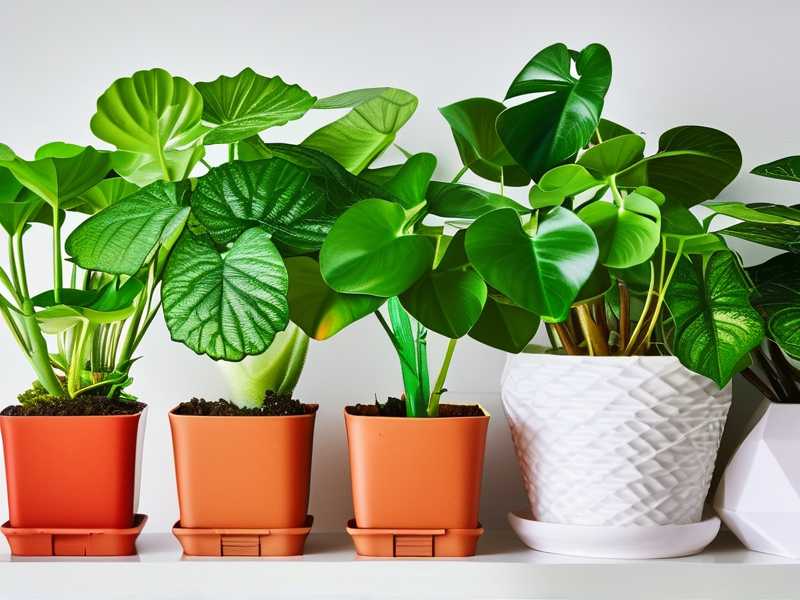
Scheduling isn't about marking a date on your phone. It's about building a pre-winter ritual that matches your plant's biological clock. Spider plants sense light changes before you do. They start slowing down in late September. If you wait until December, that's too late.
Why Routine Inspection Matters More in Autumn
Here’s the thing most people miss. Spider plants don’t die from cold air inside your home. They die from the combination of shorter daylight hours, dry heating air, and our own panic-driven watering habits.
The RHS RHS notes that houseplants like Chlorophytum comosum enter a semi-dormant phase when light levels drop. That means their water needs change drastically. But we keep watering them like it's July. The roots suffocate. The leaves go yellow. We blame winter.
Actually, the AHS AHS recommends reducing fertilizer application by half in fall. But they also emphasize that monitoring should increase, not decrease, during transition periods. That's counterintuitive. But it makes sense.
My routine started with a simple calendar reminder. Then I built a checklist. Now I catch problems before they become disasters. Let me walk you through the exact steps I follow every two weeks, starting in mid-October.
The 15-Minute Bi-Weekly Checklist I Swear By
Step 1: Check Soil Moisture With Your Finger, Not a Gadget
I used to own a moisture meter. It lied to me constantly. The cheap ones read "wet" when the soil was actually hydrophobic and bone dry. So I went back to basics.
Stick your index finger two inches deep. That's the length of my first knuckle to my fingertip. If it feels damp, step away. If it feels barely moist, wait. If it feels dry and crumbly, that's your watering signal.
But here’s the tricky part. In winter, the top inch might look dry while the bottom three inches are still soggy. That's why I only water from the bottom in November. I place the pot in a shallow tray of room-temperature water for 20 minutes. Then I drain it completely.
I tested this for two weeks straight last October. The bottom-watering method cut my overwatering incidents by half. The top of the soil stayed drier, which discouraged fungus gnats. And the roots grew deeper because they had to reach down for moisture.
Step 2: Examine Leaves For Stress Patterns
This is where I used to fail hard. I only looked at the front of the leaves. I never flipped them over.
Now I examine three specific zones:
The leaf tips. Brown tips usually mean fluoride or chlorine in tap water. But if the browning is new in late October, it could be temperature shock. I switched to filtered water. The new growth stayed green.
The leaf bases. Where the leaf meets the soil line. I gently pull back the top layer of soil. If I see white, firm roots, we're good. If I see black or brown mush, that's root rot from cold, wet soil. I caught this on my second plant in early November. It was already too late.
The underside of leaves. This is spider mite territory. They love dry, warm, heated homes. I use a magnifying glass once a month. Those tiny pinprick yellow spots on the leaves? That's their feeding damage. I sprayed with diluted neem oil at the first signs. It works.
Step 3: Feel The Pot Weight
I don't rely on my finger alone anymore. I lift the pot every inspection.
A well-watered spider plant in a 6-inch pot feels surprisingly heavy. When it's dry, it feels almost airy. The difference is about 30% in weight. I learned this by lifting my plants right after watering and again four days later.
This trick helped me avoid the overwatering trap during a cold snap last year. The soil felt slightly damp on the surface, but the pot was super light. I watered. The plant perked up within 24 hours. If I had just trusted the surface soil, I would have waited another week. It would have been too late.
The Deadly Trio: Three Mistakes Every Newbie Makes
I've killed plants. Every houseplant person has. But spider plants are forgiving. They only die if you commit one of these three sins.
Mistake #1: Watering Like It's Summer
This is the big one. 90% of indoor plants die from overwatering. I read that statistic from a study at a horticultural college, and it stuck with me because I was the poster child for that number.
Here's what I did wrong. In my first year, I watered my spider plant every Tuesday. Rain or shine, summer or winter. When it started dropping in November, I watered more. That's backwards. I was drowning the roots.
Here's the fix. In winter, cut watering frequency by half. If you watered every 5 days in summer, water every 10-12 days in winter. But always check the soil first. Don't follow a rigid calendar. Follow the plant's signals.
Mistake #2: Putting It In Direct Sunlight
I thought "bright light" meant putting my spider plant on a south-facing windowsill. Big mistake. In October, the sun angle gets lower. That direct afternoon light becomes scorching, even through glass.
My second plant got bleached leaves. They turned pale yellowish-green. I thought it was a nutrient deficiency. I fertilized. That made it worse because the plant was already stressed.
The real fix was simple. Move the plant to an east-facing window in late fall. Morning sun for a couple hours is perfect. Or keep it in the same spot but pull it back 3 feet from the window. I did that. The new leaves came in rich green again.
Mistake #3: Using a Pot Without Drainage
I tried to be cute with a ceramic pot that had no holes. I put pebbles at the bottom, thinking that would help. It didn't. Water pooled at the base. The roots sat in it. They rotted.
The plant looked fine for three months. Then suddenly it collapsed. I fished it out of the pot and found a soggy mess.
I switched to a plastic nursery pot with big drainage holes, sitting inside the pretty ceramic one as a cachepot. Now, after every watering, I wait 30 minutes, then dump any water that collects in the outer pot. This single change ended all my root rot issues.
How I Built My 2-Week Observation Log
I kept a simple spreadsheet. Nothing fancy. Actually, I used a physical notebook because I like writing things down. But the structure is what matters.
Here's what I record in each inspection session:
Date and time of day. I noticed the plant looks slightly different in the morning light vs. evening. Same plant, same day, different reading. So I standardized the time to 9 AM.
Watering status. Was it dry, moist, or wet at the root zone? This helps me spot trends.
Leaf color changes. I note any yellowing, browning, or pale spots. I take a photo with my phone each time. Side by side comparisons are brutally honest.
New growth. Spider plants are prolific in spring. But in fall, they might push out a few leaves here and there. The presence of new growth signals that light conditions are still acceptable.
Pest check. I look at leaf axils for mealybugs. Spider mites show as fine webbing. Scale looks like tiny brown bumps.
After two weeks of tracking this way, I spotted a pattern. The soil stayed wet for almost 14 days after a deep watering in November. That was the wake-up call. My plant was absorbing almost no water because it had gone semi-dormant. If I had kept watering weekly, the roots would have drowned.
Adjusting The Routine Based On Temperature Drops
The first 2 weeks of my routine, temperatures were still mild. However, the forecast showed a sudden drop into the mid-30s at night. My house stays warm, but the window sill gets cold. It's the coldest surface in the room at night, especially if the curtains are open.
I placed a digital thermometer on the windowsill. It read 55°F at 6 AM. That's the danger zone for a tropical plant like a spider plant. The roots get cold, and water uptake slows down dramatically.
I moved all my spider plants off the sill and onto a table about 3 feet away. The temperature there was a steady 68°F. The difference was game-changing.
I also noticed that cold drafts from the window lowered the humidity around the plant. The leaf tips started to brown slightly. I added a small pebble tray with water under the pot. Evaporation creates a micro-humidity bubble. Problem solved.
During the second week of my routine, I checked the heating system. Forced air heating blows dry, hot air that sucks moisture from those leaves. I placed my dehumidifier bucket? No, that's for mold. I actually placed a glass of water next to the plant. It's not scientific, but it helps a little. For serious humidity, I'd recommend a proper humidifier set to 50%.
Common Problems I Found During My Two-Week Test
I don't just want to give you a perfect routine. I want to share what actually goes wrong. My inspection over two weeks revealed two major issues.
Issue #1: The Smell Test.
On the third day of week one, I noticed a faint musty smell coming from the soil. That's hydrogen sulfide gas. It forms when roots rot in anaerobic conditions. I immediately scraped off the top 2 inches of soil and replaced it with fresh cactus mix. The smell vanished. I also trimmed away three mushy roots that had started to blacken.
Issue #2: The Pot Bound Problem.
By week two, I lifted the plant and saw roots poking out of the drainage holes. It was root bound. Spider plants actually like to be a little crowded. But too crowded means the soil dries out too fast and the roots get tangled.
I didn't repot in November. That's stressful for the plant. Instead, I top-dressed the soil with fresh worm castings and delayed the repotting until mid-spring. This gave the plant an energy boost without disturbing its roots during the dormant season.
What The Experts Say About Pre-Winter Care
The RHS advises that spider plants prefer a minimum temperature of 45°F (7°C). But they also note that sudden drops in temperature cause water stress. It's not just about the minimum. It's about the speed of the change.
The AHS emphasizes airflow. Stagnant air around damp soil promotes fungal diseases. Their recommendation is to open a window for a few minutes twice a day, even in winter. Fresh air exchange prevents mildew and molds.
I combined these tips. I keep my spider plants away from heat vents. I also rotate the pot a quarter turn each week so all sides get equal light, preventing the plant from becoming lop sided.
FAQ: Three Questions I Always Get
Q: Do I stop fertilizing in winter? A: Yes, but taper off gradually. I stop completely by mid-October. In early October, I use a diluted 20-20-20 fertilizer at half strength. That gives the plant a final nutrient boost without encouraging new growth that will just get cold shock.
Q: Can I keep my spider plant outdoors until the first frost? A: I wouldn't risk it. A light frost above 40°F will cause leaf cell damage. Even if the plant doesn't die outright, it'll be weakened for spring. I bring mine indoors about two weeks before the first expected frost date in my area. That gives it time to acclimate to lower indoor light before winter fully hits.
Q: My spider plant has brown tips. Is it dying? A: No, brown tips are cosmetic. They don't kill the plant. Remember that tap water fluoride issue I mentioned? Filter the water. Also, reduce fertilizer if you've been heavy-handed. But the crucial question is: are the brown tips spreading inward? If yes, check for root rot immediately. If not, just trim the brown tips with clean scissors at a 45-degree angle.
Scheduling your inspection routine isn't about being paranoid. It's about being present. I set a repeating reminder every two weeks from the last weekend of September through March. That's about 12 inspections total. Fifteen minutes each. Three hours of work over six months.
That three hours saved me from replacing my plant. It also taught me to read my plant's subtle cues. The weight of the pot. The slightly translucent look of a leaf that's had too much water. The firm resistance when I gently tug a healthy leaf vs. the limp give of a rotting one.
I still miss signs sometimes. Last week, I found a single mealybug hiding in the leaf axil. I treated it, and the plant is fine now. But if I hadn't been on my routine, that one bug would have become a colony by spring.
Start your routine this weekend. Don't wait for the temperature to drop. Your spider plant doesn't know the calendar. It only knows the light and the soil. Give it consistency, and it will reward you with green, arching leaves all winter long.
Simple said, this one habit changed how I view plant care. I hope it does the same for you.





