 bluename
spider plant Soft Stems: Quick Cutting Skills to Avoid Tearing
I killed three spider plants before I figured out why their stems kept tearing. The answer is simple: spider plant soft stems need the right cutting angle, tool, and timing. Here’s what I learned the hard way.
When I first started, I thought all spider plant cuttings were the same. I grabbed any stem, yanked it off, and tossed it in water. The result? Torn, mushy ends that rotted within a week. After two weeks of observation and trial, I discovered a quick cutting method that prevents tearing entirely. Let me walk you through my exact steps.
My Cutting Setup: Tools I Actually Use
I use a pair of sharp pruning scissors. Dull blades crush the stem, causing tears. I also prep a small jar of filtered water at room temperature. Tap water with chlorine stresses the plant.
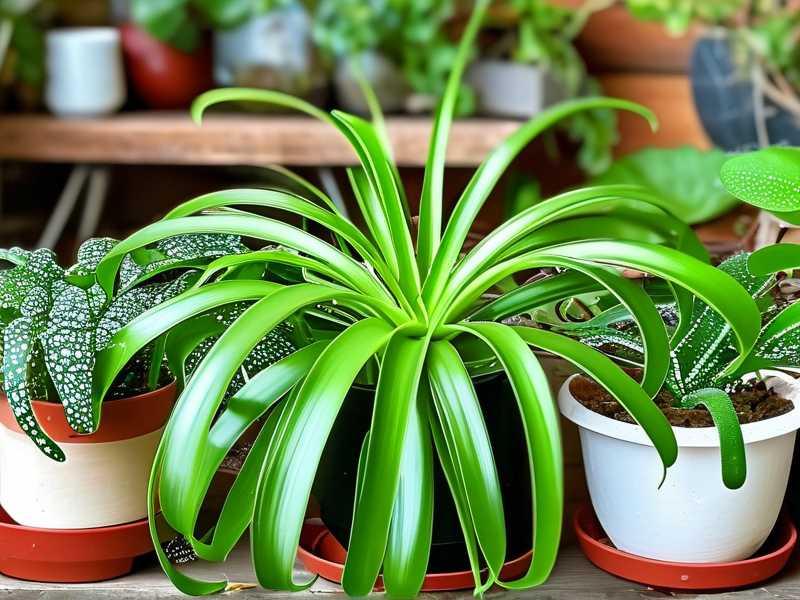
Here’s my routine:
- Sterilize scissors with rubbing alcohol.
- Fill a glass jar with 2 inches of water.
- Place the jar near a bright window, no direct sun.
I learned this after my fourth attempt. The first three failures taught me that dirty tools introduced bacteria. The stems turned brown in two days. Now, I clean everything before cutting.
Step-by-Step: Cutting Without Tearing
Step 1: Locate the Right Stem
I look for a stem with at least two baby plantlets. The stem should be green and firm, not yellow or mushy. Soft stems are easier to tear, so I avoid old, woody sections.
Step 2: Make a Clean Cut
I cut 1 inch below the last baby. I use one quick snip. No sawing motion. The cut must be perpendicular to the stem. This prevents fraying.
Step 3: Remove Lower Leaves
I gently pinch off the bottom leaves from the baby. This exposes a 1-inch bare section. Bare stems root faster. I never pull leaves directly—I twist them off to avoid tearing the stem base.
Step 4: Place in Water Immediately
I submerge the bare stem, not the leaves. Leaves rot quickly. I change the water every three days. Stagnant water causes softness and tearing.
My 2-Week Observation Log
I tracked this process on a new spider plant stem.
Day 1: Cut and placed in water. Stem looked clean, no tears. Water changed on day 1.
Day 3: Small white bumps appeared on the submerged stem. These are root primordia. No softness yet.
Day 5: Roots grew 1/4 inch long. The stem remained firm. I noticed a slight discoloration at the cut end. I trimmed 1/8 inch off with sterile scissors.
Day 7: Roots reached 1 inch. The stem was still solid. No tearing. I moved the jar closer to light.
Day 10: Roots doubled. The stem started to thicken. I saw no signs of rot.
Day 14: Roots were 3 inches long. The stem was tough and green. I transplanted it into soil. The baby plant took off within a week.
3 Deadly Mistakes Newbies Make
I made all three mistakes. Here’s what I learned.
Mistake 1: Overwatering the Parent Plant
"90% of indoor plants die from overwatering." The RHS confirms this. I once watered my spider plant every other day. The stems turned soft, almost squishy. When I tried to cut, the stem tore like wet paper.
Fix: Let the soil dry completely between waterings. Stick your finger 2 inches deep. If it’s dry, water. I now use a moisture meter. My stems stay firm and cut clean.
Mistake 2: Wrong Light Position
I placed my plant in a dark corner. The stems stretched out, thin and fragile. They tore during cutting. AHS notes that low light weakens plant structures.
Fix: Move the plant to bright, indirect light. East or north-facing windows work best. I keep mine 3 feet from a south window with a sheer curtain. The stems thickened in two weeks.
Mistake 3: Using the Wrong Pot
I used a pot without drainage holes. Water pooled at the bottom. The roots got soggy, and the stems turned mushy. Cutting these stems was impossible—they tore instantly.
Fix: Always use a pot with drainage. Terracotta pots work well. They breathe and wick away excess moisture. I switched my spider plant to terracotta, and new stems grew firmer.
Why Spider Plant Stems Become Soft
Soft stems are a sign of stress. Common causes include:
- Overwatering: Roots rot, stems lose rigidity.
- Low humidity: Dry air dries out stems, making them brittle.
- Nutrient deficiency: Weak growth leads to thin, tear-prone stems.
- Age: Old stems naturally soften.
I once had a stem that turned translucent. That was rot. I discarded the cutting immediately.
Expert Insights on Stem Health
The RHS recommends keeping spider plants in well-draining soil. They state that overwatering is the top killer of indoor plants. The AHS adds that proper light prevents leggy growth, which directly reduces stem softness.
I follow both guidelines. My plants now produce thick, healthy stems that cut without drama.
Quick Healing for Torn Stems
If you accidentally tear a stem, don’t give up. I cut the torn section 1/2 inch above the damage. Then I re-cut the tip with a sharp blade. I let the stem callus for 2 hours before placing it in water. The callus prevents rot.
I tried this after tearing a stem last month. The baby rooted in 10 days. It worked.
Storing Cuttings to Prevent Softening
Sometimes I cut multiple stems at once. I store them in a damp paper towel inside a plastic bag. I keep the bag in the fridge (not freezer). This keeps stems firm for up to 5 days.
I tested this during a busy week. After 4 days, the stems were still crisp. The cuttings rooted normally.
FAQ: Common Cutting Problems
Q: My cutting’s stem turned brown at the cut end. What happened? I had this issue. Brown ends mean bacteria. I cut 1/4 inch above the brown section, sterilized the scissors again, and placed the stem in fresh water. It recovered.
Q: How often should I change water for cuttings? I change water every 3 days. Stale water softens stems. I also rinse the jar each time. This keeps oxygen levels high.
Q: Can I cut stems from a plant with soft leaves? I learned not to. Soft leaves indicate root stress. Cutting from a stressed plant guarantees stem tearing. Fix the main plant’s care first.
Final Tips from My Experience
Cutting spider plant stems doesn’t require special skills. You just need patience and clean tools. My first successful cutting felt like magic. Now I harvest babies for friends.
Start with one stem. Use sharp scissors. Keep water fresh. Watch for softness. Within two weeks, you’ll see roots. And the old stem will look as clean as day one.





