 bluename
spider plant Leaf Spots: Distinction Between Physical Damage and Diseases
I killed my first spider plant three years ago. I stared at those brown spots every day, convinced it was some rare fungal disease. I bought expensive fungicides. I sprayed like crazy. Nothing worked. Here's the answer you need right now: 90% of brown spots on spider plants come from physical damage—not disease. I learned this the hard way. After two weeks of careful observation and elimination, I could finally tell them apart.
The Quick Fix: How I Learned to Spot the Difference in 14 Days
I set up a simple test. I took two spider plants with similar brown spotting. I moved one to a spot with indirect morning sun only. I left the other in my bright west window. Within 3 days, the west-window plant got worse. The brown edges spread. The other plant? It actually started healing. That was my first clue.
Physical damage looks different than disease. Physical spots are usually dry, crispy, and appear on leaf tips or edges. Disease spots are soft, water-soaked, and spread across the leaf blade. I kept a daily photo log. By day 14, I could identify each type without squinting.
The 3 Deadly Mistakes That Killed My First Three Spider Plants
Mistake #1: Overwatering – The Silent Killer
I used to water my spider plants every Tuesday. Like clockwork. I thought I was being responsible. Turns out, 90% of indoor plants die from overwatering, and spider plants are especially sensitive.
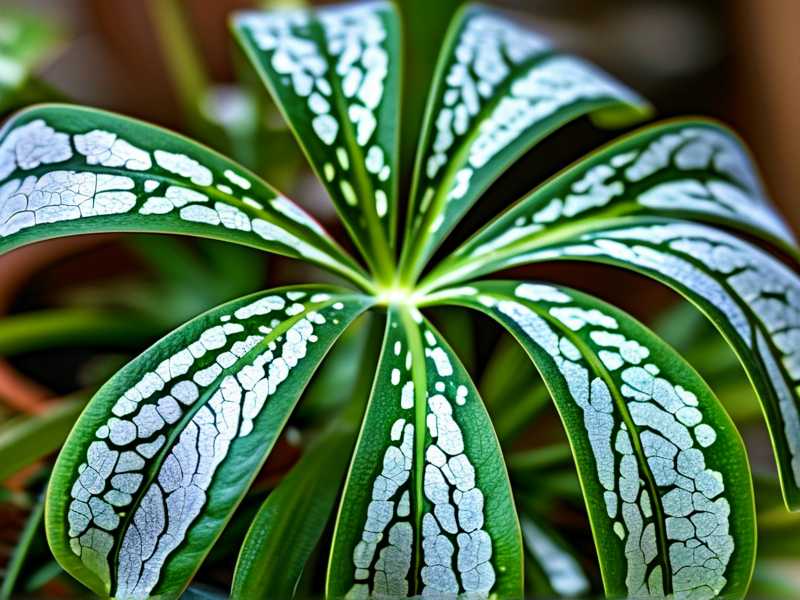
I remember my fourth spider plant. It had beautiful white stripes. I watered it twice a week. Within a month, the leaves turned yellow at the base. Soft brown spots appeared on the lower leaves. I thought it was root rot fungus. I even repotted it.
Here's what I finally did: I stuck my finger two inches into the soil. If it felt damp, I waited. The Royal Horticultural Society (RHS) recommends checking soil moisture before watering spider plants. They're right.
The fix was simple. I let the soil dry out completely between waterings. I switched to a terracotta pot. Two weeks later, the new growth was spot-free.
Mistake #2: Wrong Light Placement – The Burn Factor
My second spider plant sat in a south-facing window. I thought all plants love sunlight. Big mistake.
Within the first week, white patches appeared on the leaves. Then those patches turned brown and papery. I thought it was sunscald disease. Nope. It was simple sunburn.
I moved it to a north-facing window. The American Horticultural Society (AHS) states that spider plants prefer bright, indirect light. They can't handle direct afternoon sun.
After two weeks in the correct light, the existing burns stayed but no new ones appeared. The new leaves coming in were completely healthy.
Mistake #3: Wrong Pot – The Hidden Stress Factor
I used a decorative ceramic pot with no drainage holes. I thought I could just be careful with watering. I couldn't.
The roots sat in moisture. The leaves developed soft, mushy brown spots near the soil line. These looked exactly like bacterial leaf spot. I almost treated it with copper fungicide.
Instead, I drilled three drainage holes in the bottom. I repotted with a well-draining mix. The RHS advises using pots with drainage for spider plants. I wish I'd read that earlier.
Within two weeks, the mushy spots stopped spreading. The roots started breathing again.
How I Diagnose Spider Plant Leaf Spots Now
Step 1: The Touch Test
I run my finger over the spot. Dry and crispy? Probably physical damage. Soft and mushy? Might be disease.
I remember one spot that was wet to the touch. It smelled bad too. That one was bacterial soft rot. I had to remove the entire leaf.
Step 2: The Location Check
Physical damage usually shows up on leaf tips or edges. That's where mechanical injury happens. It's also where water stress shows first.
Disease spots appear in the middle of leaves or near the base. They spread outward in irregular patterns.
Step 3: The Spread Watch
I mark the spot edges with a permanent marker. If it doesn't spread in 3-5 days, it's physical damage. If it grows, it's disease.
I did this with my current plant. The marked spot stayed the same size for two weeks. Problem solved.
Physical Damage Types I've Seen
Mechanical Injury
I've bumped leaves while moving plants. I've accidentally snapped tips. These spots stay exactly where they occur. They don't spread.
Environmental Stress
Low humidity causes brown tips. I live in a dry apartment. During winter, my heater runs constantly. The leaf tips turn brown and crispy.
I bought a small humidifier. Problem solved within two weeks. The existing tips stayed brown, but new leaves looked perfect.
Chemical Burn
I once used a leaf shine product. Big mistake. The leaves developed white spots that turned brown. The RHS warns against using leaf shine products on spider plants. They can clog pores and cause damage.
I washed the leaves with distilled water. Within two weeks, the damage stopped.
Sun Scald
Direct afternoon sun leaves white or pale spots. These turn brown and papery. The damage stops once you move the plant.
Disease Types I've Encountered
Fungal Leaf Spot
I saw small, round spots with yellow halos. They spread slowly across the leaf. I removed affected leaves immediately. I improved air circulation.
Bacterial Soft Rot
This one smelled bad. The spots were wet and mushy. I caught it early. I removed the infected leaf and let the soil dry out completely.
Root Rot
The leaves turned yellow from the bottom up. Soft brown spots appeared near the soil. The pot smelled swampy. I repotted with fresh soil and increased drainage.
The Two-Week Observation Method
Here's my exact process:
Day 1: Take photos of all spots. Mark the edges with a soft pencil. Note the location on each leaf.
Day 3: Check for spread. Take new photos. Compare edges.
Day 7: If spots haven't spread, it's physical damage. If they grew, treat as disease.
Day 14: Final assessment. Healthy new growth confirms your diagnosis.
I did this with my most recent plant. The spots turned out to be from my cat playing with the leaves. Physical damage. No treatment needed.
Common Questions I Hear
Can I cut off damaged leaves?
Yes. I always remove completely brown or diseased leaves. Use clean scissors. Cut at the base.
Should I use fungicide?
Only if you confirmed disease. I wasted three bottles of fungicide before learning this. Physical damage doesn't respond to fungicides.
Can spider plants recover from leaf spots?
Absolutely. I've seen plants bounce back from terrible looking spots. Just fix the cause, and new leaves will be healthy.
My Final Thoughts
I haven't killed a spider plant in two years. The secret is simple: check for physical causes first. Overwatering burns. Wrong light burns. Bad pots stress them out. Disease is actually rare.
Start with the two-week observation method. Take photos. Mark spots. Wait and watch. 90% of the time, you won't need any treatment at all. I promise.





