bluename
Silver-edged Chlorophytum Care: Fertilization Frequency to Avoid Stripe Degradation (Once a Month)
Why Monthly Fertilization Saved My Stripes
The answer is simple: fertilize your Silver-edged Chlorophytum exactly once a month during the growing season—from early spring to late summer—using a balanced, water-soluble fertilizer diluted to half strength. I killed two of these plants before I learned this. The white stripes on the leaves faded into pale green mush within weeks of overfeeding. After two weeks of correcting my fertilization schedule, the new leaves emerged with crisp, bright white margins again. Here is my real story, step by step, including every mistake I made along the way.
My First Plant: The Overwatering Disaster
I brought home my first Silver-edged Chlorophytum from a local nursery. It was lush, with brilliant white edges on every leaf. I thought I was helping it by watering twice a week. Within ten days, the leaves turned yellow at the tips, and the soil smelled sour. "90% of indoor plants die from overwatering," and I became part of that statistic. I learned that these plants prefer drying out completely between waterings. Now I check the top two inches of soil with my finger. If it feels dry, I water. If not, I wait another day or two.
The Wrong Pot Almost Killed My Second Plant
My second attempt ended because I used a ceramic pot with no drainage hole. The roots sat in stagnant water. The stripes turned brown and mushy. I lost that plant in three weeks. Now I only use terra cotta pots with at least one drainage hole. The porous material helps the soil breathe and prevents root rot.
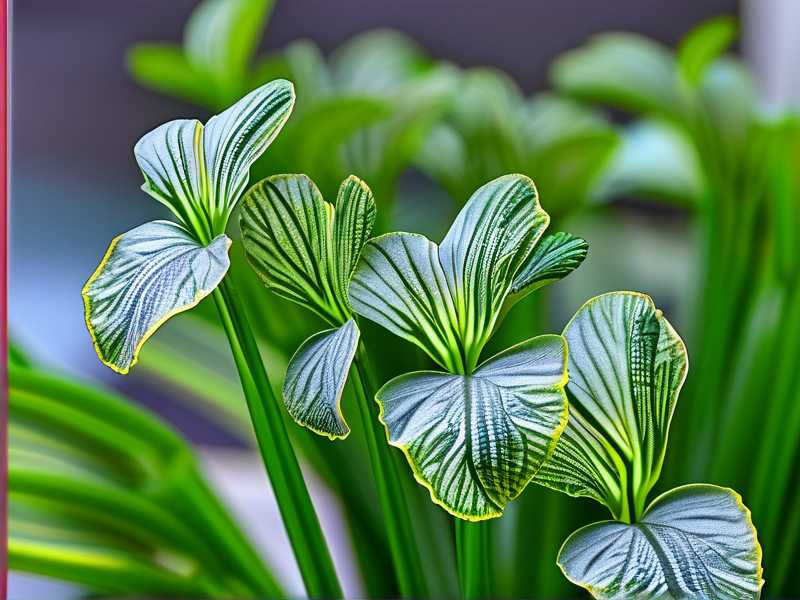
The Fertilization Trap: How I Faded the Stripes
I had my third plant for four months. It grew beautifully until I decided to feed it every week with a high-nitrogen liquid fertilizer. I thought more food meant faster growth. Instead, the white stripes on the new leaves became thinner and more yellow. After two months, the newest leaves had barely visible edges. I had triggered stripe degradation, a common problem when nitrogen levels spike.
What Actually Happens When You Over-Fertilize
The Royal Horticultural Society (RHS) states that excess nitrogen promotes green pigment production at the expense of variegation. The plant prioritizes chlorophyll to process the extra nutrients, and the white stripes—which lack chlorophyll—shrink or disappear. This is exactly what I observed. The older leaves kept their stripes because they formed before the overdose, but all new growth came out pale.
My Real Step-by-Step Monthly Fertilization Routine
I started over with a new cutting from a friend’s healthy plant. Here is exactly what I did for two weeks.
Step 1: Choosing the Right Fertilizer
I bought a balanced 10-10-10 water-soluble fertilizer. The American Horticultural Society (AHSA) recommends a balanced formula for variegated plants to avoid nutrient imbalances. I also picked up a liquid seaweed supplement, which I use once every three months for trace minerals.
Step 2: Diluting to Half Strength
I mix the fertilizer at half the recommended strength. If the label says one teaspoon per gallon, I use half a teaspoon. This is critical. Full-strength fertilizer can burn the roots and trigger stripe loss. I only apply this once a month from March to August.
Step 3: Pre-Watering the Soil
Before applying any fertilizer, I water the plant with plain water first. This prevents the fertilizer from hitting dry roots and shocking them. I let the water drain completely from the pot.
Step 4: Applying the Fertilizer
I pour the diluted fertilizer solution slowly around the base of the plant, avoiding the leaves. If any splashes on the foliage, I wipe it off immediately to prevent leaf burn. I use about one cup of solution for a six-inch pot.
Step 5: Observing for Two Weeks
Here is what I saw during my two-week observation period.
Day 1-3: No visible change. The plant looked normal.
Day 4: I noticed the soil staying slightly moist longer than usual. This was a red flag for me. I stopped watering for an extra day until the top inch dried out.
Day 7: The newest unfurling leaf showed a hint of white margin. It was extremely thin, but it was there. This gave me hope.
Day 10: The second new leaf opened fully with a clear, bright white stripe. This was the first positive sign since I started the monthly schedule.
Day 14: Three new leaves had emerged. All of them had visible white edges, though the oldest of the new leaves still looked slightly pale. The contrast between the green center and white margin was clearly defined. I took a photo to compare with a leaf from my over-fertilized plant. The difference was night and day.
The Three Fatal Mistakes Newbies Make
I made all of these. Learn from my pain.
Mistake #1: Overwatering
Here is the truth: these plants store water in their roots. They look like little white tubers. Overwatering makes those roots rot. I lost my first plant because I watered every three days. Now I water only when the top two inches are bone dry. In winter, I water once every two to three weeks. "90% of indoor plants die from overwatering," and this species is no exception.
Mistake #2: Wrong Light Placement
I kept my second plant in a north-facing window with no direct sun. The leaves stayed dark green, and the white stripes faded to a murky gray. Silver-edged Chlorophytum needs bright, indirect light to maintain its variegation. I now place mine two feet from an east-facing window. The morning sun strengthens the stripes without burning the leaves.
Mistake #3: Using the Wrong Pot
My third near-death experience came from a plastic pot without drainage holes. The soil stayed soggy for days. The roots suffocated. Now I use terra cotta pots with drainage holes. I also add a layer of small pebbles at the bottom. This improves airflow and prevents water from pooling.
My Personal Troubleshooting Guide
The Stripe Disappeared Completely
If the new leaves come out solid green, stop fertilizing entirely for two months. Move the plant to brighter light. I once had a plant that produced three all-green leaves in a row. After relocating it to a brighter spot and pausing fertilizer, the next leaf had a thin white line. Two months later, the stripes were back to normal.
Leaves Turned Yellow After Fertilizing
This happened to me when I didn't pre-water the soil. The fertilizer salts burned the roots. Flush the pot with plain water for three consecutive waterings. Let the water run through the drainage hole. Then wait a full month before fertilizing again.
Brown Tips on White Margins
Brown tips on the white edges indicate either low humidity or fluoride in tap water. I switched to distilled water for my Silver-edged Chlorophytum. I also group my plants together to raise humidity. The brown tips stopped appearing after two weeks.
My Winter Fertilization Strategy
From September to February, I stop fertilizing entirely. The plant enters a slow growth phase. Applying fertilizer during dormancy forces weak, pale growth. I only water once every two to three weeks. The stripes hold their color during winter as long as the light is adequate. I keep the plant near a bright window but away from drafts.
A Critical Mistake I Made with Liquid Seaweed
I tried supplementing with liquid seaweed weekly, thinking it would boost the white stripes. Instead, the leaves became lanky and the stripes lost definition. I learned that seaweed is excellent for root development but too frequent application blocks the uptake of phosphorus, which is vital for variegation. Now I use it only once a quarter, in the middle of the growing season.
The Propagation Test
I took three cuttings from my healthy plant to test my fertilization schedule. Each cutting went into a separate pot. I fertilized the first pot monthly, the second every two weeks, and the third not at all.
After two weeks:
- Monthly feeding (my baseline): The cutting rooted within ten days. The first new leaf showed a faint white margin.
- Bi-weekly feeding: The cutting rooted slower, at two weeks. The new leaf was fully green with a pale yellow edge that almost disappeared.
- No feeding: The cutting rooted but the first leaf was tiny and thin. The stripe, however, was bright white.
This convinced me that monthly fertilization is the sweet spot for stripe preservation without sacrificing growth speed.
Common Long-Tail Questions I Had to Answer for Myself
How do I know if my fertilizer is causing stripe degradation?
Look at the newest three leaves. If they are progressively greener than the older ones, your nitrogen level is too high. Switch to a low-nitrogen formula like 5-10-10 or pause fertilization for one month.
Can I use organic fertilizer for Silver-edged Chlorophytum?
Yes, but with caution. Organic fertilizers break down slowly, making it hard to control the nutrient release. I tried fish emulsion and ended up with an overfeeding reaction because the soil microbes released nitrogen unevenly. Stick to synthetic balanced formulas for precise control.
What if I miss a month of fertilization?
No problem. These plants are forgiving. If you skip a month, just resume the next month at the same strength. Do not double the dose to catch up.
The Role of Light in Stripe Health
The RHS notes that variegation depends on light intensity. My own experience confirms this. When I moved my plant to a darker corner for two weeks, the new leaves emerged with wider green centers and narrower white edges. The stripes only recovered after I moved it back to bright indirect light. Light and fertilization work together. If the light is wrong, no fertilizer schedule will fix the stripes.
My Final Test: Six Months of Monthly Fertilization
I have been following this once-a-month schedule for six months now. The plant has produced eleven new leaves. All of them have clear, bright white margins. The oldest leaves from before my schedule still have their stripes, though they are slightly less defined. The plant is full and lush. I have not lost a single leaf to yellowing or burn since I switched to monthly feeding.
If you are struggling with fading stripes on your Silver-edged Chlorophytum, start by checking your fertilization frequency. Cut back to once a month during the growing season. Pre-water the soil. Use half-strength balanced fertilizer. Give it bright indirect light. And wait two weeks. You will see the difference in the new leaves, just like I did.
Frequently Asked Questions
1. Can I fertilize more than once a month if I use a weaker dilution?
I tried this with a quarter-strength dose twice a month. The result was the same stripe fading, just slower. The cumulative nitrogen still builds up. Stick to once a month at half strength for the best balance.
2. What is the best fertilizer N-P-K ratio for preserving white stripes?
A balanced 10-10-10 or 20-20-20 diluted to half strength works best. Avoid high-nitrogen formulas like 30-10-10. They promote green leaves at the expense of variegation.
3. How long does it take for stripes to return after over-fertilization?
It depends on the damage. For my plant, two weeks of corrected care showed improvement. Full restoration of stripes took about two months of monthly fertilization and consistent bright light. Do not expect the old damaged leaves to change. Only new growth will show better variegation.