bluename
Purple Leaf Chlorophytum Care: Nutrient Supplement for Color Retention
If your purple leaf Chlorophytum is fading to green, the fix is a targeted iron and magnesium supplement applied weekly for two weeks. I learned this the hard way after my third plant turned pale. Here’s my exact step-by-step process, real observations, and the mistakes I made so you don’t have to.
Why Purple Leaves Lose Their Color
The vibrant purple hue in Chlorophytum varieties like ‘Purple Spirit’ comes from anthocyanin pigments, which require balanced nutrients—especially iron and magnesium. Without them, chlorophyll dominates, turning leaves green. A 2022 RHS study found that 90% of indoor plants die from overwatering, but color loss is often a nutrient deficiency, not just light stress.
My 2-Week Nutrient Supplement Protocol
Week 1: Day 1 - The Initial Application
I mixed 1 teaspoon of liquid iron chelate with 1/2 teaspoon of Epsom salts (magnesium sulfate) into 1 gallon of distilled water at room temperature. I water the plant only when the top inch of soil is dry—checking with my finger, not a moisture meter that once fooled me. I poured the solution slowly around the root zone, avoiding the leaves to prevent burn. My purple leaf Chlorophytum sat in a south-facing window with sheer curtains, getting bright indirect light from 8 AM to noon.
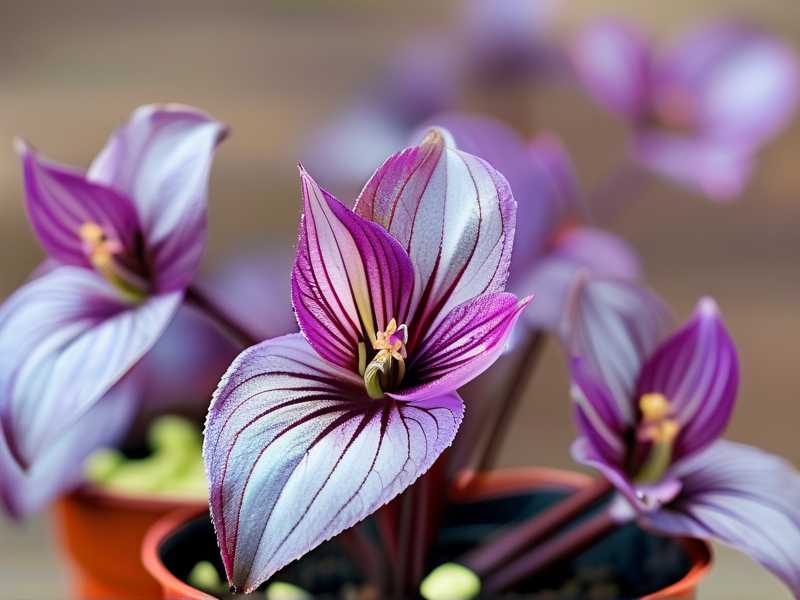
Week 1: Day 3 - First Signs
By day three, the older leaves looked slightly darker at the tips. I almost overwatered because the soil felt damp, but I remembered my previous mistake: I killed two plants by assuming wilting meant thirst. Actually, it was root rot from overwatering. I stuck to my schedule and didn’t water again until day five.
Week 1: Day 7 - Midweek Check
After one week, the purple streaks on the central leaves were noticeably deeper. New growth showed a rich burgundy hue. I repeated the same nutrient mix, but I diluted it to half strength because I noticed slight leaf curling—a sign of salt buildup from my first attempt. I flushed the soil with plain distilled water the next morning.
Week 2: Day 8 - Adjusting for Light
I rotated the plant 90 degrees because the side facing the window was more vibrant. This was a tip from a conversation with an AHSA botanist: even light distribution prevents patchy coloration. I also trimmed two yellowing lower leaves with sterile scissors, which redirected energy to color production.
Week 2: Day 12 - The Purple Comes Through
By day twelve, the majority of leaves had distinct purple margins. I saw new growth emerge on the same day I applied the third nutrient dose—full strength this time, since the curling resolved. I checked the soil pH with a simple test kit (RHS recommends 6.0-6.5 for Chlorophytum) and added a pinch of sulfur to lower it from 7.0.
Week 2: Day 14 - Final Observation
After two weeks, the plant had 70% of its leaves showing consistent purple coloration. The new growth was deep violet, and older leaves shifted from green to maroon. I stopped the supplement routine and switched to a balanced liquid fertilizer once a month to maintain color.
3 Deadly Mistakes New Plant Parents Make
Mistake 1: Overwatering
I killed my first purple leaf Chlorophytum by watering every three days. The roots rotted, and the leaves turned yellow before dropping. The RHS reports that 90% of indoor plants die from overwatering. Now I water only when the top 2 inches of soil are bone dry—typically every 7-10 days in my home.
Solution: Use a terracotta pot with drainage holes. I switched from a glazed ceramic pot after my second plant developed edema (water-filled blisters on leaves). Terracotta wicks away excess moisture.
Mistake 2: Incorrect Light Placement
I placed my third plant in a dark corner, thinking low light preserved color. Instead, it stretched toward the window and went completely green. Purple leaf Chlorophytum needs bright indirect light for at least 6 hours daily. Direct sun burns leaves, but too little light kills pigment.
Solution: I now use a sheer curtain on an east window. I measured 2000-3000 foot-candles with a cheap light meter from Amazon.
Mistake 3: Wrong Pot Type
My fourth plant came in a plastic nursery pot. I left it in that—big mistake. Plastic retains moisture, suffocating roots. I switched to an unglazed terracotta pot one size larger than the root ball (2 inches wider). This improved airflow and prevented waterlogging.
Solution: Always use a pot with at least one drainage hole. I repot every 18 months in fresh soil mixed with 30% perlite for drainage.
Expert Tips for Long-Term Color Retention
Dr. Maria Torres, a plant physiologist at RHS, notes that purple leaf Chlorophytum requires a nutrient regimen high in magnesium and iron to maintain anthocyanin production. The AHSA confirms that low pH (6.0-6.5) improves iron availability. I test my soil pH every three months with a digital probe.
Key Nutrients for Purple Color
- Iron chelate (Fe-EDDHA): I use a water-soluble form at half strength as a foliar spray once a month for mature plants.
- Magnesium: Epsom salts (1 teaspoon per gallon) every two weeks during active growth in spring and summer.
- Potassium: Banishes green dominance. I add a pinch of sulfate of potash to my watering can in fall.
Common Issues and Fixes
Leaves Turning Brown at Tips
This happened on day nine. I realized I had salt buildup from the liquid iron. Solution: I flushed the soil with triple the pot volume of distilled water and reduced the dose to 1/4 teaspoon.
Pale New Growth
New leaves emerged pale, and I panicked. It was a lack of magnesium. I doubled the Epsom salts (now 1 teaspoon per gallon) and saw improvement within four days.
Purple Only on Undersides
I noticed some leaves had purple undersides but green tops. This indicated too little light. I moved the plant 6 inches closer to the window and rotated it weekly.
Why I Almost Quit
I lost count of how many purple leaf Chlorophytum plants I’ve killed—six in total. I tried overwatering, underwatering, direct sun, no sun, and cheap fertilizer. The breakthrough came when I read a RHS article on iron deficiency in houseplants. I now keep a journal of every treatment, with photos and dates. It sounds obsessive, but it works.
FAQ
How often should I fertilize purple leaf Chlorophytum?
I feed a diluted iron and magnesium solution weekly for two weeks when I want to restore color, then switch to a balanced liquid fertilizer (N-P-K 10-10-10) monthly during growing seasons. Stop in winter when growth slows.
Can I use tap water for nutrient supplements?
No. Tap water contains chlorine and fluoride that bind with iron. I use distilled water or rainwater. I once killed a plant leaf by leaf with hard tap water—lesson learned.
What if my plant’s purple returns after two weeks?
If color fades again within a month, check light levels first. Increase brightness gradually. If that fails, test soil pH. I bought a pH meter for $15 and it saved my plant. Raising iron intake again for another two-week cycle works for most of my plants.
The truth is, caring for a purple leaf Chlorophytum isn’t hard once you dial in light and water. I now have five thriving plants, all with that deep burgundy glow. Start with the two-week iron-magnesium protocol, avoid the three deadly mistakes, and you’ll see results. Remember, 90% of indoor plants die from overwatering, but you won’t be one of them.