 bluename
The Ultimate Guide to Chlorophytum Watering in Winter: Why 100ml Per Pot Changed Everything
I’ve killed my fair share of spider plants. It’s a humbling admission for any plant enthusiast. For years, I believed my Chlorophytum, or spider plant, was indestructible. Then winter would arrive, and I’d watch in confusion as those vibrant green and white stripes turned to sad, brown-tipped, and sometimes mushy, despair. The culprit? Almost always improper watering. After one particularly tragic season, I decided to get scientific. I embarked on a two-week experiment with one simple rule: Chlorophytum watering in winter would be strictly limited to 100ml of water per pot. What I learned wasn't just a tip; it was a complete mindset shift for cold-weather plant care.
Why Winter Watering Is a Different Game
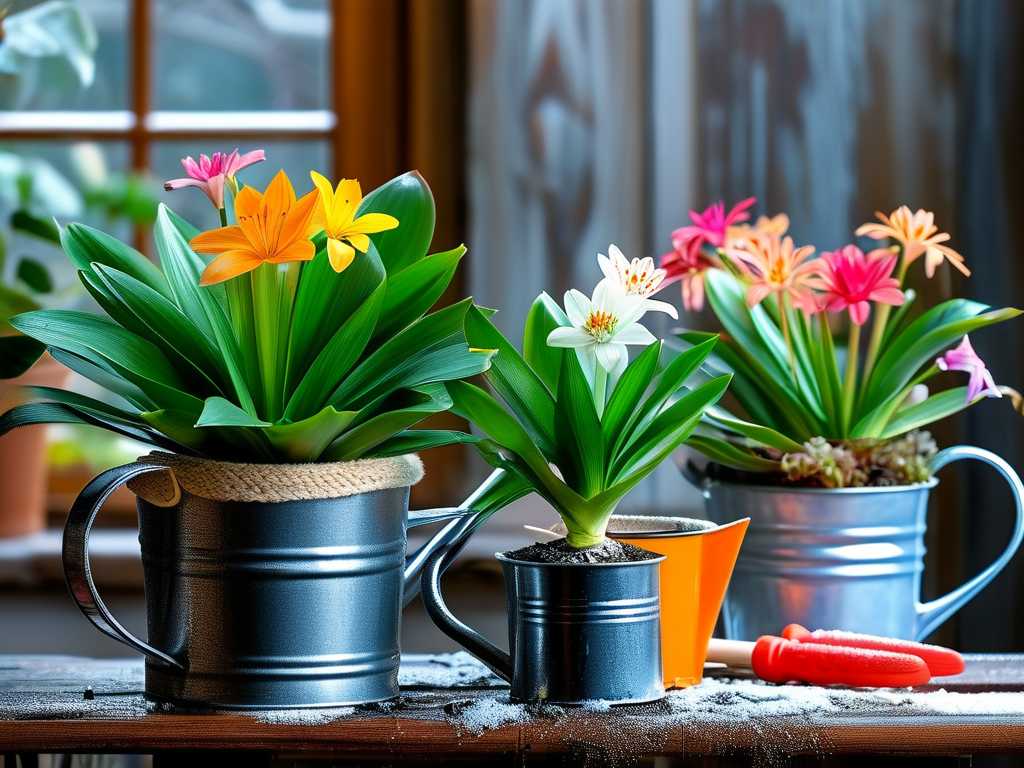
You can’t water a spider plant in December the same way you do in July. This is the fundamental truth I ignored for too long. During winter, Chlorophytum enters a period of slowed or dormant growth. Shorter days and lower light levels mean its photosynthesis slows down. Consequently, its water consumption plummets.
The soil takes much longer to dry out. Continuing a summer schedule—where I might drench the pot until water ran freely from the drainage holes—was a recipe for root rot. The Royal Horticultural Society (RHS) clearly states that overwatering is the most common cause of houseplant death in winter, as roots suffocate in constantly wet, cold soil. My goal was to provide just enough moisture to sustain the plant’s limited metabolic functions without drowning its roots.
My 2-Week Experiment: The 100ml Protocol
I selected three mature spider plants in 6-inch pots, all with healthy root systems but showing early signs of winter stress—slightly slower growth and a few pale leaves. I cleared my calendar for the next 14 days to focus on observation.
Week 1: Implementation and Initial Observations
My process was meticulous. For each plant, I used a small measuring cup to draw exactly 100ml of room-temperature water. I let it sit overnight to allow chlorine to dissipate. Instead of pouring it all in one spot, I slowly distributed the water in a circle around the base of the plant, avoiding the crown entirely. I then gently tilted the pot to ensure even distribution.
- Day 1-3: The top inch of soil felt lightly moist. The plants showed no immediate change, which I expected.
- Day 4: I performed the “finger test.” The soil was dry about an inch down. According to the American Horticultural Society’s (AHS) guidelines, this is the ideal time to water most houseplants in winter—allowing the soil to partially dry between waterings.
- Day 5: I repeated the 100ml watering. I noticed the pots felt significantly lighter than they did after my old soaking method, a good sign that water wasn’t sitting at the bottom.
- Day 7 Check-in: No new brown tips had appeared. The existing foliage looked perky, with no signs of wilting or thirst. Crucially, there was no musty smell from the soil—a previous red flag for me.
Week 2: Adjustments and Clear Results
Encouraged, I continued. However, I learned that “100ml per pot” isn’t a blind mantra; it’s a baseline.
- Day 10: One plant, positioned slightly closer to a heat vent, showed soil that was dry nearly 1.5 inches down. I gave it an extra 20ml, observing that indoor heating impact on spider plant hydration is a real factor. This is a key long-tail consideration: your watering volume must account for microclimates.
- Day 14 – The Verdict: The results were undeniable. All three plants were stable. The pale leaves on one had begun to green up slightly. Most importantly, there was zero progression of root rot or brown, mushy leaves. The correct water amount for Chlorophytum in cold months had simply maintained healthy turgor pressure without waterlogging. The experiment was a success.
The Pitfalls I Encountered (And How I Fixed Them)
This journey wasn’t without its stumbles. Here’s where I went wrong and how you can avoid it.
-
The “One-Size-Fits-All” Pot Mistake: I initially used the 100ml rule on a spider plant in a 4-inch ceramic pot without a drainage hole (a leftover from a gift). By day 3, the soil was still soggy. The Fix: I immediately repotted it into a plastic pot with drainage and placed that inside the decorative ceramic cachepot. For pots without drainage, 100ml is likely still too much. Consider 50-70ml and be hyper-vigilant.
-
Ignoring Soil Composition: My standard potting mix was too moisture-retentive. Even with limited water, it stayed damp for too long. The Fix: I amended the mix for my next watering cycle by adding extra perlite and orchid bark to improve aeration and drainage, creating a more suitable witter soil mix for spider plants.
-
Water Temperature Shock: In my first attempt, I used straight tap water, which was very cold. The plant visibly recoiled, with leaves drooping for a few hours. The Fix: Always use room-temperature water. Letting it sit overnight is a perfect routine.
Beyond the Measure: Holistic Winter Care for Your Spider Plant
While the 100ml rule was transformative, it works best as part of a system.
- Light is Key: I moved my plants to the brightest indirect light available. More light supports the little growth that happens and helps the soil dry appropriately.
- Hold the Fertilizer: I stopped all feeding. Fertilizing a dormant plant can burn roots and cause salt buildup in the soil.
- Humidity Helps: Grouping plants together or using a pebble tray mitigated the dry air from heating, reducing the risk of crispy tips without increasing watering needs.
Your Questions, Answered
How do I know if my spider plant needs the 100ml water? Never water on a schedule. Always check the soil first. Insert your finger up to the first knuckle. If it’s dry, it’s time for your measured 100ml. If it’s still moist, wait a day or two and check again. The frequency of watering Chlorophytum is dictated by the soil, not the calendar.
My plant is huge and root-bound. Is 100ml still enough? A severely root-bound plant in a small pot will dry out faster. The 100ml is a starting point. Observe closely. If the soil becomes bone dry very quickly and leaves begin to lose their rigidity, you may need to increase slightly to 120-150ml, or consider repotting in spring. The goal is to moisten the root ball, not just the surface.
What about watering spider plant pups in winter? The water requirements for spider plant babies are even more delicate. I propagate my spider plantlets in water, but for those in small pots, I use a mere 30-50ml, ensuring their tiny roots don’t sit in wetness. They are more susceptible to rot than mature plants.
Mastering Chlorophytum watering in winter is about embracing restraint. My two-week journey with the 100ml method proved that less is profoundly more. It shifted my focus from reactive care to proactive, observant stewardship. By understanding your plant’s dormant state, measuring your water, and learning from the soil’s feedback, you can guide your spider plant through winter not just surviving, but thriving, ready to burst into vigorous growth when spring finally returns.





