 bluename
Chlorophytum Leaf Drooping: The Right Fertilizer Type for Nutrient Deficiency
There's nothing more disheartening for a plant parent than seeing your once perky, arching spider plant (Chlorophytum comosum) start to droop. The leaves lose their vigor, hanging limply over the pot's edge instead of cascading beautifully. I've been there, staring at my favorite 'Vittatum,' wondering if it was a water issue, a light problem, or something more sinister. After ruling out the usual suspects, I discovered the culprit was often hiding in the soil: a silent nutrient deficiency. The real challenge wasn't just knowing it needed food, but figuring out the exact fertilizer type to correct the specific imbalance causing that sad, drooping posture.
For years, I treated fertilizer as a generic "plant food." A little liquid all-purpose mix every few weeks should do it, right? Wrong. My spider plants' persistent droop taught me that this approach is like giving a vitamin pill for a broken bone. It might help overall health but doesn't address the structural issue. Through trial, error, and a deep dive into plant physiology, I learned to decode the droop and match it with the precise nutritional solution.
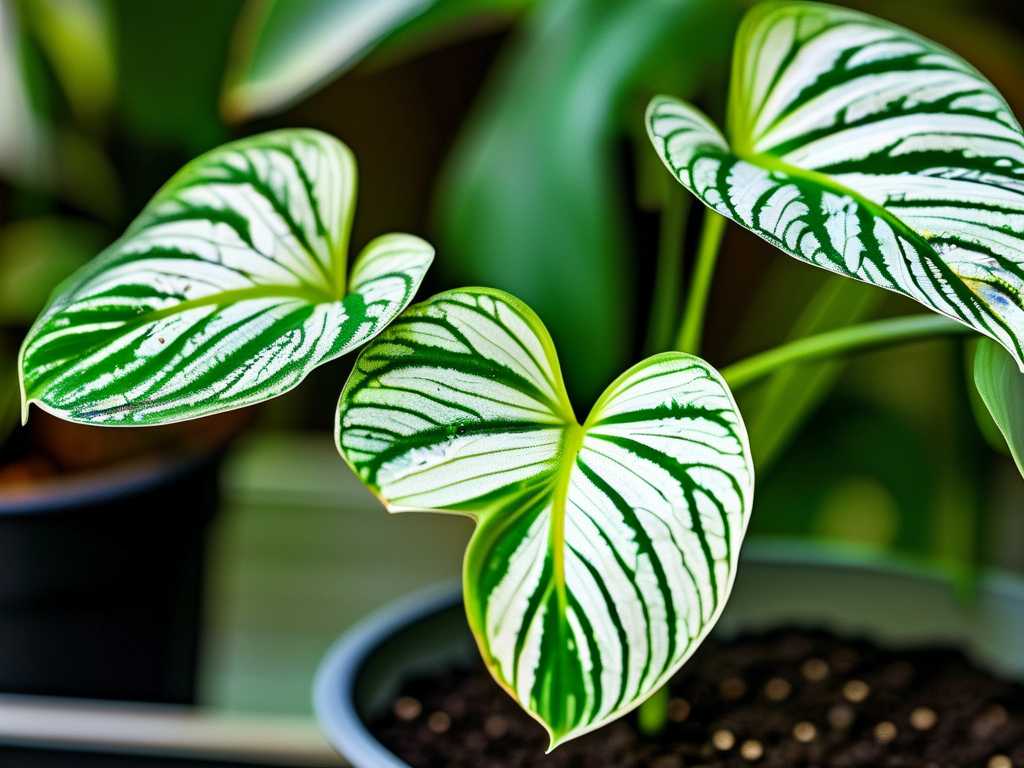
Understanding Why Your Spider Plant Droops: It's Not Always Thirst
Before we talk solutions, we must diagnose correctly. Drooping leaves, or chlorosis, can signal several issues. Overwatering is a classic cause, leading to root rot that prevents nutrient uptake—ironically creating a deficiency through root damage. Underwatering causes wilt. But when the soil moisture is correct, light is adequate, and the pot isn't root-bound, the droop often points directly to a lack of essential nutrients.
A spider plant's signature arch comes from strong, healthy cell structure and robust photosynthesis. Key nutrients support this:
- Nitrogen (N): Crucial for chlorophyll production and vigorous leaf growth. A deficiency leads to overall pale green or yellowing, starting with older leaves, and stunted, weak growth that can't support itself.
- Potassium (K): The "quality" nutrient. It regulates water uptake, strengthens cell walls, and aids in enzyme function. Without it, leaves develop weak stems, brown scorching on tips and margins, and a general lack of turgor pressure—that internal water pressure that keeps leaves firm. This was a key insight for me.
- Magnesium (Mg): The central atom in the chlorophyll molecule. A shortage directly impairs photosynthesis, leading to interveinal chlorosis (yellowing between green veins) and limp leaves.
The Royal Horticultural Society (RHS) notes that Chlorophytum, while generally hardy, is susceptible to tip-burn and leaf weakness when potassium levels are low, especially in constantly leached, peaty potting mixes. This matched my experience perfectly.
My Diagnostic Journey: Reading the Leaves
My 'Vittatum' showed a specific pattern: the leaves weren't just pale; they felt thin and lost their springiness. The droop was most pronounced in the mature leaves, and I noticed faint brown tips alongside the general weakness. This pointed me away from a pure nitrogen issue (which typically causes yellowing first) and toward a potential potassium or magnesium problem.
I decided to conduct a two-week corrective experiment. I isolated the plant from others, ensured it received consistent, bright indirect light, and maintained a strict watering schedule—only when the top inch of soil was dry.
Week 1: Selecting and Applying the Correct Fertilizer Type
This was the critical phase. I needed a fertilizer that would address potential potassium and magnesium shortages without overloading the plant with nitrogen. A balanced 10-10-10 formula wouldn't cut it.
- The Choice: After research, I selected a water-soluble fertilizer with a higher potassium (K) ratio and included magnesium. I found one with an N-P-K ratio of 3-1-5. The low nitrogen would avoid forcing weak, rapid growth, while the elevated potassium would directly support cell strength and water regulation. The label confirmed it contained 0.5% magnesium.
- The Application – My "Less is More" Rule: I diluted the fertilizer to half the recommended strength on the package. A common pitfall is "fertilizer burn," where salts damage roots, exacerbating the droop. I watered the plant thoroughly with this solution until it drained from the bottom, ensuring even distribution. I marked this as Day 1 of the experiment.
- The First Pitfall and Fix: Two days later, I saw no improvement and panicked. I was tempted to apply more. This was my mistake. Nutrient uptake and integration into plant systems aren't instantaneous. I resisted the urge and simply ensured the plant's environment remained stable. Patience, I learned, is a non-negotiable part of plant care.
Week 2: Observation, Adjustment, and the Turning Point
Days 3-5 were about vigilant observation. I checked for any signs of burn or stress—none appeared. By Day 6, I looked closely at the base of the drooping leaves. Was there a change? I thought I perceived a very slight firmness returning to one of the older leaves, but it was subtle.
- The Second Application: On Day 7, I prepared another half-strength solution of the same 3-1-5 fertilizer. This time, I was more confident. The plant had shown no adverse reactions, a good sign the roots were functional and absorbing.
- The Visible Shift (Days 10-14): This is where the magic happened. Around Day 10, the slight firmness was undeniable. The leaves hadn't fully perked up, but they no longer felt like wet paper. The arch was beginning to re-form from the base outward. By Day 14, the transformation was clear. The severe droop was gone. The leaves exhibited a gentle, healthy cascade. The pale green color was slowly deepening, and the new growth emerging from the center was a vibrant, strong green. The fertilizer for nutrient deficiency was working.
Key Lessons from My Two-Week Experiment
- Specificity Over Generality: A "leaf greening" high-nitrogen fertilizer might have worsened the problem by promoting soft growth. The targeted potassium-rich blend provided the structural support the plant desperately needed.
- Dilution is Prevention: Starting with a half-dose prevented shock and allowed me to gauge the plant's response safely. The American Horticultural Society (AHS) emphasizes that under-fertilizing is always safer and more correctable than over-fertilizing.
- Root Health is Paramount: Fertilizer is useless if roots are damaged. Always check soil and root health first. My initial correct watering habits laid the groundwork for the fertilizer to be effective.
- Time is a Factor: Plants operate on their own schedule. Expecting overnight results leads to over-intervention. The two-week timeline provided a realistic window to see tangible improvement from correcting a nutrient deficiency.
Ongoing Maintenance: Preventing Future Droop
The fix isn't a one-time event. Spider plants are moderate feeders. I've now switched to a monthly feeding schedule during the growing season (spring to early fall) using the same balanced, potassium-favoring fertilizer at half-strength. In winter, I cease feeding entirely. I also flush the soil with plain water every 3-4 months to prevent salt buildup, another cause of root stress and nutrient lockout that can lead to drooping.
Frequently Asked Questions
Can I use homemade fertilizers like coffee grounds for my drooping spider plant? I advise caution. While coffee grounds can add organic matter, they are acidic and their nutrient release is slow and imbalanced. For a specific symptom like drooping from a suspected potassium deficiency, a precise, water-soluble fertilizer gives you controlled, measurable results. It's the difference between a general health supplement and targeted medicine.
How often should I fertilize to prevent nutrient deficiency? For Chlorophytum, a light feeding every 4-6 weeks during active growth is sufficient. The goal is consistent, gentle nutrition rather than periodic feasts. My year-round schedule is simple: fertilize monthly from April to September, and then let the plant rest through the lower-light winter months.
The leaves are still droopy after fertilizing. What now? If after 2-3 weeks of correct, targeted feeding you see no improvement, revisit the other factors. Gently unpot the plant and check the root system for being pot-bound or for rot. Re-evaluate your lighting; too little light can cause weak, droopy growth regardless of nutrition. Sometimes, the droop is a combination of factors, and the fertilizer is just one piece of the puzzle.
Watching my spider plant regain its graceful posture was immensely rewarding. It moved from a sad specimen to a thriving centerpiece. The journey taught me that "leaf drooping" is a question, and the answer lies in careful observation and providing the specific nutrient support your plant is silently asking for. By choosing the right fertilizer type and applying it with patience, you give your Chlorophytum the foundation it needs to flourish.





