 bluename
The spider plant Savior: My 2-Week Battle Plan with Chili Water (Spraying Every 3 Days)
There's nothing more disheartening for a plant lover than seeing your lush, vibrant spider plant (Chlorophytum comosum) become a buffet for tiny, sap-sucking pests. I’ve been there—staring at the telltale signs of sticky honeydew, discolored leaves, and the faintest movement of aphids or spider mites. Chemical insecticides were my last resort; I wanted a natural, kitchen-cabinet solution. That’s when I committed to a rigorous experiment with Chlorophytum soil pest control using chili water, adhering to a strict spraying frequency of once every 3 days. This is my detailed, two-week journal from the front lines of organic plant care.
Why I Chose Chili Water for My Spider Plant
The logic is simple yet powerful. Capsaicin, the compound that gives chili peppers their heat, is a natural irritant and deterrent for many soft-bodied insects like aphids, thrips, and spider mites. It doesn’t typically kill on contact like harsh chemicals but creates an inhospitable environment, disrupting their feeding and encouraging them to move on. For a plant as generally hardy as the spider plant, which can sometimes suffer from fungus gnats in overly moist soil or pests on its foliage, this method promised a gentle yet persistent defense. My goal wasn't annihilation but eco-friendly control.
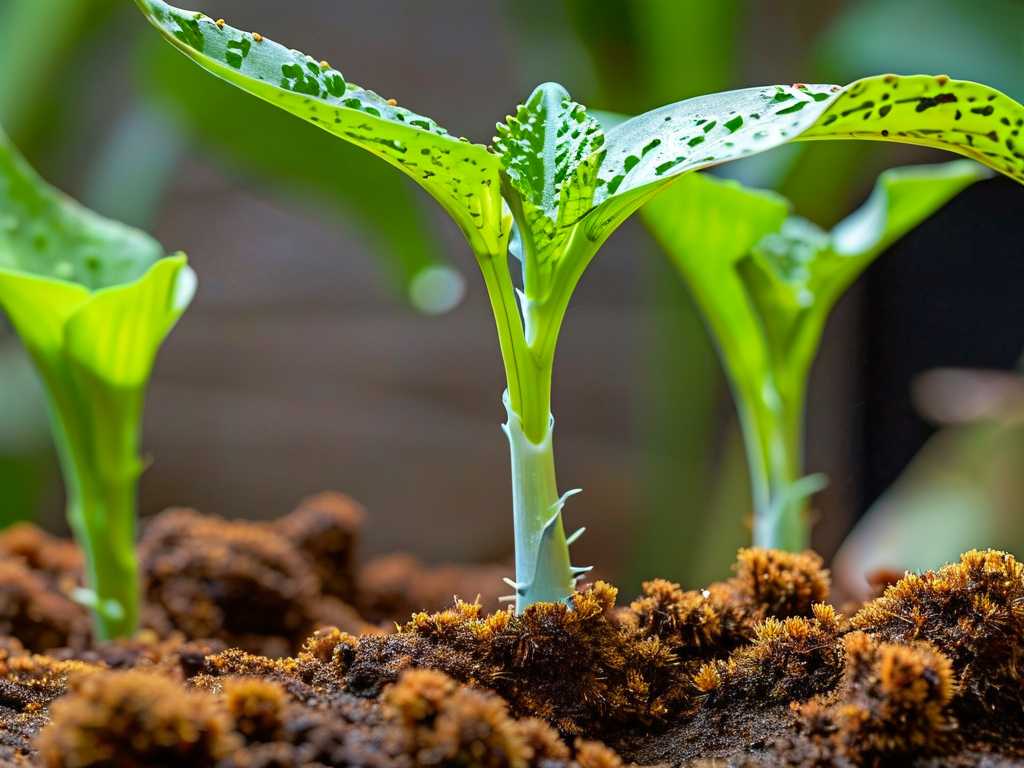
My Recipe and Preparation Process
I didn't just throw random peppers into a blender. Consistency is key for any treatment plan. After researching, I settled on a balanced formula.
I took three medium-sized, dried cayenne peppers (you can use fresh, but dried often has a higher concentration of capsaicin), crushed them, and steeped them in about 500ml of boiling water for 24 hours. This creates a potent infusion. I then strained the liquid through a fine cheesecloth into a spray bottle, ensuring no solid particles remained to clog the nozzle. To this, I added a few drops of mild, castile soap. The soap acts as a surfactant, helping the chili water stick to the leaves and penetrate the pests' waxy coatings. A crucial step: I tested this spray on a single, small leaf of my spider plant and waited 48 hours. No leaf burn occurred—a critical check before full application.
The Two-Week Protocol: Application Every 72 Hours
This wasn't a sporadic effort. I treated this like a prescribed medical regimen for my plant.
Days 1, 4, 7, 10, and 13: These were my spray days. I would take my spider plant to the sink or outdoors. I meticulously sprayed the undersides of the leaves, where pests love to hide, the stems, and the top layer of the soil surface to target any larvae or emerging adults. I ensured the foliage was thoroughly misted until it glistened but not dripping wet. I always performed this in the late afternoon to prevent rapid evaporation and sun-scorch on wet leaves.
Between Sprays (Days 2-3, 5-6, etc.): This was observation time. I would gently wipe leaves with a white cloth to check for any pest residue and monitor the soil's moisture to avoid overwatering, which can attract more problems.
Observed Results and Plant Response
- Week 1 Observations: After the first two applications (Day 1 & 4), I noticed a significant reduction in the activity of visible aphids. They seemed sluggish. The sticky honeydew on leaves began to dry up. The plant itself showed no adverse effects—no wilting or leaf burn. By the end of the first week, the pest population was visibly diminished but not gone.
- Week 2 Breakthrough: The applications on Day 7 and 10 felt like a consolidation of gains. New, tender growth at the center of the plant (the spider plant's "pups" starting points) remained clean and untouched. By Day 14, I had to search carefully to find any remaining pests; they were isolated and inactive. Most importantly, my Chlorophytum began to regain its perky posture. The leaves, which had started to look slightly dull and stressed, showed a renewed vigor. The soil pest control aspect seemed effective against fungus gnats, as I saw fewer adults hovering.
The Pitfalls I Encountered and How I Fixed Them
My journey wasn't perfectly smooth. Here are the hiccups and solutions:
- The Clogged Spray Nozzle: After the second use, my spray bottle nozzle clogged with fine chili sediment I'd missed. Solution: I double-strained the next batch of chili water through a coffee filter. I also made a habit of rinsing the spray bottle nozzle with hot water immediately after each use.
- Over-Misting the Soil: Initially, I was so enthusiastic I made the topsoil too soggy. Solution: I adjusted my technique. For soil application, I used a lighter, targeted mist just to dampen the surface, not soak it. This maintained the spraying frequency without risking root rot.
- Inconsistent Coverage: I missed the tight curls at the base of new leaves. Solution: I started using a soft, small paintbrush dipped in the chili water mixture to gently dab those hard-to-reach areas on spray days, ensuring no hiding spots remained.
- Expecting Instant Death: I had to recalibrate my expectations. As noted by resources from the Royal Horticultural Society (RHS), many natural remedies work as repellents and require persistence. Solution: I committed to the full two-week cycle, understanding that disrupting the pest life cycle is a process, not a one-event miracle.
Making It Work for Your Plant Care Routine
The success of this chili water spraying frequency hinges on persistence and precision. It's a method backed by the principle of integrated pest management—using consistent, low-impact interventions. The American Horticultural Society (AHS) emphasizes the importance of regular monitoring and non-chemical interventions as a first line of defense, which aligns perfectly with this approach. For severe infestations, it may need to be part of a larger strategy, but for early to moderate issues on spider plants, it's remarkably effective.
Will chili water spray harm my spider plant's leaves? When properly diluted and tested, it should not. Always do a patch test on one leaf 48 hours before full application. Avoid spraying in direct, hot sunlight to prevent leaf scorch.
Is spraying chili water once every 3 days enough to kill all pests? It's more about control and deterrence than instant eradication. This frequency disrupts the feeding and reproductive cycle of pests. You may still see a few insects, but their numbers should drastically reduce and become manageable. Consistency over two weeks is crucial.
Can I use this mixture on other houseplants? Proceed with extreme caution. Spider plants are notoriously tough. More delicate plants (like ferns or some succulents) may be sensitive. Always research a plant's sensitivity and conduct a thorough patch test first. The frequency of chili water application that works for a Chlorophytum might be too harsh for others.
My two-week experiment with chili water as a natural pest control for my spider plant was a resounding success. It required diligence, careful observation, and a willingness to adapt my technique when I hit small obstacles. The regimen of applying the spray once every three days proved to be the golden rhythm—frequent enough to be disruptive to pests but spaced enough to be safe for the plant. My spider plant is now pest-free, thriving, and putting out new runners. It’s a powerful reminder that sometimes, the most effective solutions are simple, natural, and require just a bit of patience and consistency.





