 bluename
The Ultimate Guide to Chlorophytum Watering in Autumn: Why Before 10 AM is Non-Negotiable
If you're like me, watching your vibrant Chlorophytum, or spider plant, start to look a bit sad as summer fades can be worrying. The leaves lose their spring, the tips might brown, and that lush growth seems to stall. For years, I struggled with this seasonal shift, convinced I was giving my plants the same care. The breakthrough came when I stopped asking how much to water and started asking when. This autumn, I dedicated myself to a simple experiment: watering my Chlorophytum exclusively before 10 AM. The results, observed over two rigorous weeks, transformed not just my plants, but my entire approach to autumn plant care.
Understanding the Autumn Shift for Your Spider Plant
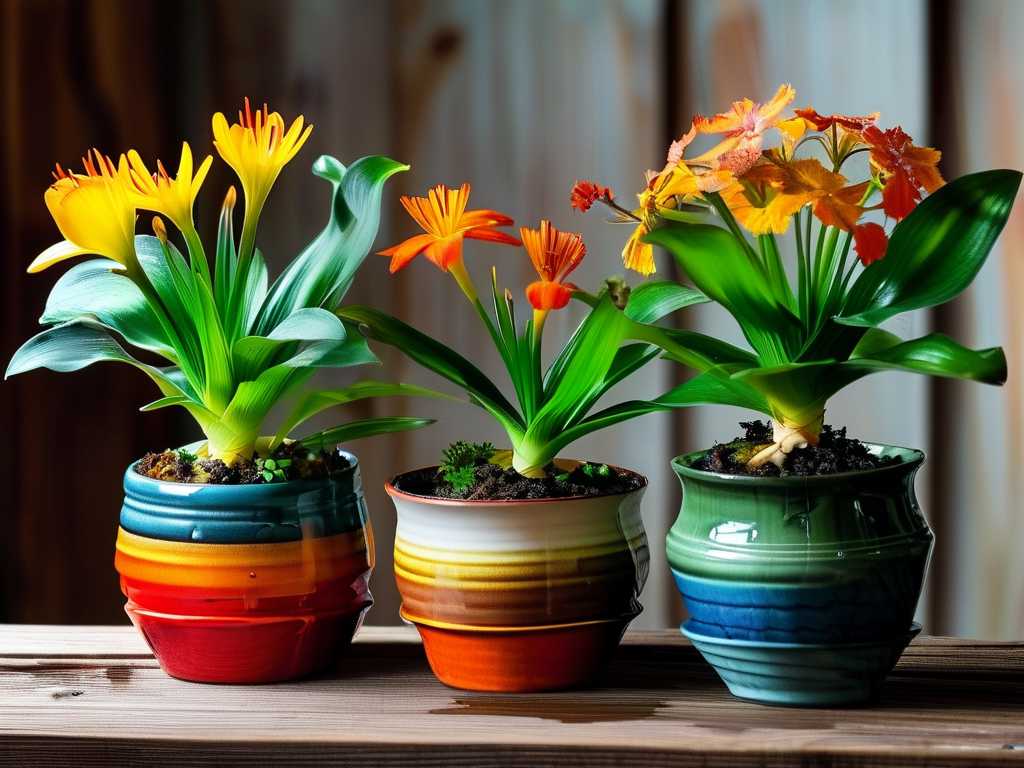
Chlorophytum comosum is famously resilient, but its water needs change dramatically with the seasons. Summer's intense light and warmth mean frequent watering. Autumn brings shorter days, lower light angles, and cooler temperatures, especially at night. The soil stays moist for longer, and the plant's growth naturally slows. Continuing a summer schedule is the fastest route to root rot. The Royal Horticultural Society (RHS) notes that overwatering in cooler months is the most common cause of houseplant decline. The key is adapting your timing to the season's rhythm.
My Two-Week Experiment: The "Before 10 AM" Protocol
I selected three mature Chlorophytum plants for this trial: one in a terracotta pot, one in plastic, and one in a ceramic pot. The goal was to see how the rule applied across different conditions.
Week 1: Setting the Routine and Initial Observations
My process was meticulous. Each morning between 8:00 and 9:30 AM, I would perform the "finger test," inserting my index finger up to the second knuckle into the soil.
- Step 1: The Soil Check. If the soil felt dry at that depth, it was time to water. If still cool and slightly damp, I waited another day.
- Step 2: The Morning Soak. Using room-temperature water that had sat out overnight (to dissipate chlorine), I watered slowly at the soil base until I saw a trickle escape the drainage holes. I made sure to avoid wetting the crown of the plant.
- Step 3: The Drainage Ritual. After 15 minutes, I emptied the saucers completely. No exceptions.
By Day 3, I noticed the first change: perkiness. The leaves, which had a slight midday droop before, now remained turgid and upright throughout the day. The terracotta pot plant dried fastest, needing water every third day, while the plastic pot held moisture for nearly five.
The Pitfall I Hit (And How I Fixed It)
Midway through the first week, I almost failed. On a cooler, cloudy day, I assumed the soil was still wet from two days prior. I skipped the finger test. The next morning, the leaves on my ceramic-pot plant were distinctly limp. The soil surface looked dark, but the root zone was bone dry. I had fallen for the oldest trick in the book: judging by sight, not touch.
The Fix: I gave the plant a thorough, immediate morning soak and placed it in bright, indirect light (no direct sun, as stressed plants can scorch). Within hours, it began to recover. This reinforced the non-negotiable rule: Test, don't guess. The "before 10 AM" rule is useless without an accurate moisture assessment.
Week 2: Visible Transformations and Root Health
Entering the second week, the routine was solid. The effects became more pronounced.
- New Growth: Tiny plantlets (spiderettes) on my variegated Chlorophytum, which had stalled, showed fresh white root nubs. The mother plant was putting energy into new, firm leaves from the center.
- End of the Brown Tips: Existing brown tips didn't disappear, but I saw no new browning. The American Horticultural Society (AHA) emphasizes that consistent moisture prevents salt buildup in leaf tips, a common cause of browning. Morning watering allows the plant to uptake water efficiently during daylight hours, preventing the stagnant, cold dampness that exacerbates this issue.
- Soil and Pot Health: By evening, the soil surface felt noticeably drier, creating a less hospitable environment for fungal gnats, which had been a minor nuisance.
Why the "Before 10 AM" Window is a Game-Changer
This isn't just gardening lore; it's plant physiology. Watering in the early morning aligns with the plant's natural cycle. The stomata (pores) open as light increases, enabling photosynthesis and transpiration. The water provided is readily pulled up through the roots and used. Any excess moisture on the soil surface or leaves has the entire day to evaporate in the gentle autumn sun.
Conversely, evening watering leaves the soil waterlogged overnight in cooler temperatures. Roots sit in cold, oxygen-poor conditions—a direct invitation for pathogens. It's the difference between giving your plant a refreshing morning drink versus making it sleep with wet feet on a cold night.
Tailoring the Rule: Pot Type, Light, and Humidity
My experiment proved the core rule, but also highlighted nuances.
- Terracotta vs. Plastic: Breathable terracotta may require slightly more frequent morning watering checks than moisture-retentive plastic.
- Light Levels: A Chlorophytum in a bright, east-facing window will use water faster than one in lower, autumn light. Adjust frequency, not timing.
- Home Heating: As heaters turn on, air becomes drier. Monitor soil moisture closely; you may need to water a bit more frequently, but still, always before 10 AM.
Your Questions, Answered
Can I water my spider plant in the afternoon if I forget in the morning? It's better than not watering a parched plant, but make it an exception, not the rule. If you must water in the afternoon, do so as early as possible and ensure the plant isn't in direct, hot sun, as water droplets can act as magnifying glasses.
How do I know for sure if I'm overwatering? Signs include constantly wet soil, yellowing lower leaves that feel mushy, a musty smell from the soil, and a lack of new growth. If you suspect overwatering, stop watering immediately. Let the soil dry out completely. In severe cases, you may need to repot into fresh, dry mix after removing any black, rotten roots.
My tap water is very hard. Will this affect my autumn watering? Yes. Chlorophytum are sensitive to fluoride and salts in tap water, which can cause brown tips regardless of timing. If brown tips are a persistent issue, try using filtered, rainwater, or distilled water for your morning watering routine. This simple switch, combined with correct timing, can make a dramatic difference.
The journey of these two weeks was enlightening. Chlorophytum watering in autumn is less about quantity and almost entirely about chronology. Adopting the "before 10 AM" principle respects the plant's slowed metabolism and the season's cool dampness. It prevented root rot, encouraged healthy growth, and simplified my care routine. By syncing your watering can with the morning clock, you give your Chlorophytum the best possible foundation to thrive through autumn and beyond. Watch for that morning perkiness—it’s your plant’s way of saying thank you.





