 bluename
The Mini Chlorophytum Care Guide: Why Thin Fertilizer Once a Month is the Golden Rule
You bring home a beautiful, vibrant mini chlorophytum, also known as a spider plant. Its cascading green and white leaves are pure joy. But then, weeks or months later, you notice something’s off. The tips of the leaves are turning brown and crispy. The growth has stalled. No charming little “spiderettes” are appearing. You’re watering it correctly, giving it light, but it just doesn’t thrive. If this sounds familiar, the culprit is likely one of the most common yet overlooked aspects of care: fertilization. Specifically, how often and how you feed this resilient but sensitive plant.
For years, I struggled with this exact issue. I’d follow generic “houseplant fertilizer” instructions and watch my mini chlorophytum suffer. It wasn’t until I adopted a specific regimen—thin fertilizer once a month—that everything changed. This isn’t just a guess; it’s a method refined through trial, error, and research, backed by the practices of horticultural societies like the Royal Horticultural Society (RHS). They note that spider plants are not heavy feeders and are sensitive to salt buildup, which aligns perfectly with a light, monthly feeding schedule.
Let me walk you through my exact process, the dramatic two-week transformation I witnessed, the mistakes I made along the way, and how you can avoid them.
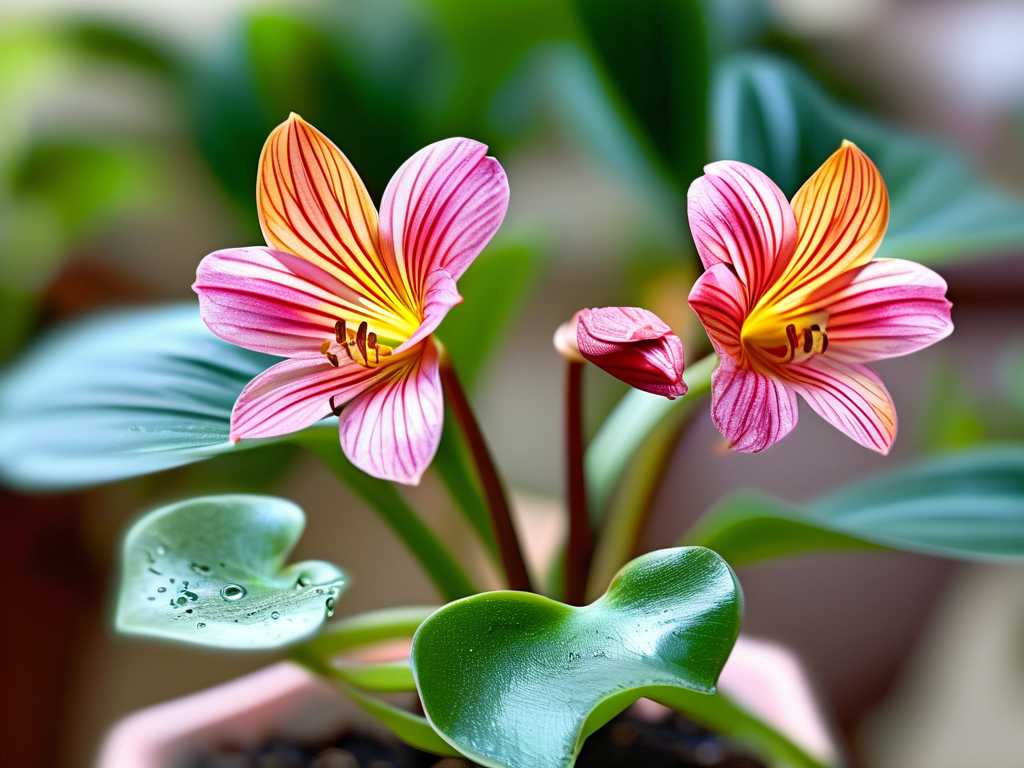
Understanding the “Why”: The Delicate Balance of Feeding Mini Chlorophytum
Before we dive into the “how,” it’s crucial to understand the “why.” Mini chlorophytum plants are naturally adapted to survive in less-than-ideal soil conditions. Their tuberous roots store water and nutrients. Over-fertilizing is a far greater danger than under-fertilizing. A strong dose of fertilizer leads to a rapid accumulation of soluble salts in the soil. These salts burn the delicate root tips, impairing their ability to absorb water. This directly causes the dreaded brown leaf tips—a classic sign of fertilizer burn or fluoride/chlorine sensitivity, exacerbated by salt stress.
The concept of applying diluted fertilizer is the key. It provides a gentle, steady supply of essential nutrients—primarily nitrogen for leaf growth, with a balance of phosphorus and potassium for root and overall health—without overwhelming the plant’s system. A monthly fertilizing routine aligns with their moderate growth rate, especially indoors. It’s a rhythm that supports health without forcing excessive, weak growth.
My Step-by-Step Monthly Fertilization Routine
Here is the exact process I follow every month during the active growing season (spring and summer). I reduce or completely stop fertilization in fall and winter when growth naturally slows.
1. Choosing the Right Fertilizer: I use a balanced, water-soluble liquid fertilizer. Look for a formula with an equal NPK ratio, like 10-10-10 or 20-20-20. The American Horticultural Society (AHS) recommends balanced fertilizers for general foliage houseplants. I avoid specialized “bloom boosters” as flowers are not the main attraction for chlorophytum.
2. The Dilution is the Secret: This is the most critical step. I never, ever use fertilizer at full strength. The package directions are designed for heavy-feeding outdoor plants. For my mini chlorophytum, I dilute the fertilizer to half or even a quarter of the recommended strength. If the bottle says “1 teaspoon per gallon,” I use ½ or ¼ teaspoon. This creates the “thin fertilizer” solution that is safe and effective.
3. The Watering-Can Method: I prepare my diluted fertilizer solution in my watering can. Before I apply it, I always water the plant lightly with plain, room-temperature water. This pre-moistens the soil and roots, preventing shock and ensuring even absorption of the fertilizer. Then, I slowly pour the thin fertilizer solution onto the soil until I see a little water drain from the bottom. This ensures the entire root zone is reached.
4. Timing is Everything: I perform this monthly feed for spider plants in the morning. This allows any accidental moisture on the leaves to dry during the day, preventing fungal issues. I mark my calendar to maintain the once-a-month schedule consistently.
The Two-Week Observation: A Visible Transformation
I started this thin monthly regimen on a mini chlorophytum that had been stagnant for months, sporting several brown-tipped leaves. Here’s what I observed over the next 14 days:
- Days 1-3: No visible change, as expected. The plant was absorbing nutrients at the root level.
- Days 4-7: I noticed a subtle change in color. The existing green stripes on the ‘Vittatum’ variety seemed deeper and more vibrant. The leaves, which had felt slightly limp, appeared more turgid and firm.
- Days 8-14: This is where the magic happened. At the very center of the plant, I spotted not one, but two new, bright green shoots emerging. They were tiny at first, but they grew noticeably each day. Furthermore, the existing leaves showed no new brown tips. The plant simply looked healthier and more alive. It wasn’t a explosive, unnatural growth spurt, but a confident, steady resurgence. This visible proof cemented my belief in the low-dose monthly feeding approach.
The Pitfalls I Encountered (And How to Fix Them)
My journey wasn’t perfect. I made mistakes that taught me valuable lessons.
Pitfall 1: The “More is Better” Fallacy. Early on, I thought a stronger fertilizer would give faster results. I used a full-strength dose. Within a week, multiple leaf tips turned brown and crispy. The new growth that emerged was pale and weak.
- Solution: I immediately stopped fertilizing. I performed “soil leaching”—thoroughly watering the plant several times, allowing water to flow freely out of the drainage hole to flush out excess salts. I then didn’t fertilize again for two months before restarting my correct, thin monthly schedule.
Pitfall 2: Ignoring Dormancy. I continued my monthly feed into late autumn. The plant didn’t use the nutrients, leading to a faint white crust (salt buildup) on the soil surface.
- Solution: I learned to respect the plant’s cycle. Now, I stop fertilizing in early fall and resume in early spring. During winter, I might give one half-strength feed if the plant is in a very bright, warm location and still showing growth.
Pitfall 3: Inconsistent Watering Before Feeding. Once, I applied the thin fertilizer solution to dry soil. I saw minor leaf tip burn shortly after, as the roots took in the solution too rapidly.
- Solution: The pre-watering step is non-negotiable. Always water lightly first. This simple habit prevents root burn and ensures your careful chlorophytum fertilizer application is beneficial, not harmful.
Frequently Asked Questions
Can I use organic fertilizer like fish emulsion for my mini chlorophytum? Absolutely. I’ve used diluted fish emulsion with great success. The same rule applies: dilute it more than the label suggests (it can be quite potent) and apply monthly. Be mindful of the odor indoors.
What if I forget and miss a monthly feeding? Don’t panic. It’s always safer to miss a feeding than to double up. Your chlorophytum is built for survival. Simply resume your schedule the next month. Never apply extra fertilizer to “catch up.”
How do I know if my plant is suffering from over-fertilization and not underwatering? Both can cause browning, but the pattern differs. Over-fertilization salt burn typically creates crispy brown tips that are immediate and localized. Underwatering often causes broader, drier brown patches along the leaf margins and leads to overall wilting. When in doubt, check the soil moisture and review your fertilization history. When I suspected over-fertilization, leaching the soil was my diagnostic and curative first step.
Caring for a mini chlorophytum is deeply rewarding, and getting the fertilization right is its cornerstone. The mantra of thin fertilizer once a month is a lesson in gentle, consistent care. It respects the plant’s natural tendencies, avoids the common pitfalls of enthusiasm, and results in a plant that is robust, vibrant, and constantly producing those delightful little plantlets. By observing your plant, sticking to a diluted monthly schedule, and adjusting for seasons, you’ll unlock the true, resilient beauty of your mini chlorophytum.





