 bluename
The Ultimate Guide to Chlorophytum Soilless Cultivation: Why I Stick to a 7-Day Nutrient Solution Schedule
For years, I struggled with my spider plants. Browning tips, inconsistent growth, and the constant guesswork of soil moisture drove me to explore hydroponics. The promise of Chlorophytum soilless cultivation was alluring: faster growth, no soil-borne pests, and cleaner roots. But I quickly hit a wall. The biggest question wasn't how to do it, but how often to feed them. I tried various schedules, from daily drips to bi-weekly neglect, with mixed results. It was through two weeks of meticulous, diary-keeping experimentation that I found my golden rule: applying nutrient solution once every 7 days. This is my hands-on journey from confusion to clarity.
My Setup and the Weekly Ritual
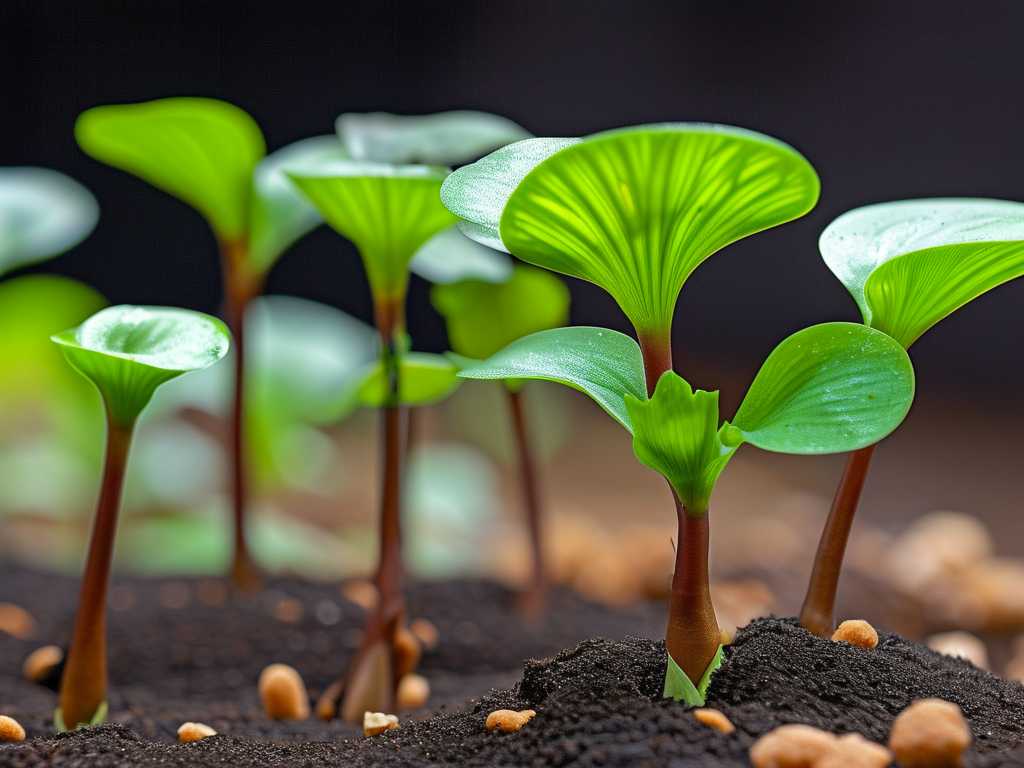
My test subjects were three mature Chlorophytum comosum 'Vittatum' pups, transferred to a simple deep water culture (DWC) system. I used a balanced, general-purpose hydroponic nutrient mix, a pH tester, and an EC (Electrical Conductivity) meter—tools I now consider non-negotiable.
My nutrient solution frequency protocol was strict. Every Saturday morning became "Plant Nutrition Day." Here is my exact 7-day step-by-step process:
First, I would gently lift the plant from its net pot and inspect the roots. Healthy, white roots were my green light. I would then discard the entire old solution from the reservoir. This is crucial to prevent salt buildup and bacterial growth. Next, I would rinse the reservoir and the roots lightly with fresh, pH-balanced water to wash off any residual salts.
I would prepare a fresh batch of nutrient solution, mixing it to an EC of about 1.2 mS/cm and adjusting the pH to a slightly acidic range of 6.0-6.5, which the Royal Horticultural Society (RHS) notes is optimal for nutrient uptake in most hydroponic setups. The plant would go back into its clean home, and the air stone would be turned back on. The entire process took 15 minutes per plant.
The Two-Week Transformation: A Visual Diary
Week 1: Adjustment and Acceleration The first week was about recovery from my previous erratic feeding. By Day 3, I noticed a visible change. The leaves, which had been slightly pale, began to deepen into a more vibrant green. The most dramatic development was at the crown. Two new shoots, which had been stalled for weeks, began to unfurl at an astonishing rate. The roots showed new, bright white fuzzy growth—a sign of excellent water and oxygen absorption. This initial burst confirmed that a consistent, weekly influx of fresh nutrients was exactly what the plant needed to kickstart its metabolism.
Week 2: Stabilization and Robust Growth Entering the second cycle, the growth wasn't as explosively vertical but became more substantial. The new leaves from Week 1 had fully hardened off and were thicker, with more pronounced variegation. Another new pup started emerging from the base. The root mass had increased by nearly 30%, becoming a dense, healthy tangle. There were zero signs of the dreaded brown leaf tips. The plant looked consistently hydrated and nourished, not fluctuating between feast and famine. The 7-day rhythm had created a predictable, stable environment.
The Pitfalls I Encountered (And How I Fixed Them)
My path to this weekly schedule was not smooth. I learned through failure.
Pitfall 1: The "More is Better" Disaster Early on, I thought feeding every 3-4 days would supercharge growth. I was wrong. By Day 10, the leaf tips began browning and crisping—a classic sign of nutrient burn. The EC in the reservoir had spiked due to evaporation and salt accumulation. The American Horticultural Society (AHS) emphasizes that over-fertilization can cause root damage and inhibit water uptake, creating a toxic environment.
Solution: I flushed the system with plain pH-adjusted water for two days, then resumed my weekly schedule. I now always check EC at the end of the week; if it's too high, I dilute the solution slightly. The weekly complete change prevents this buildup entirely.
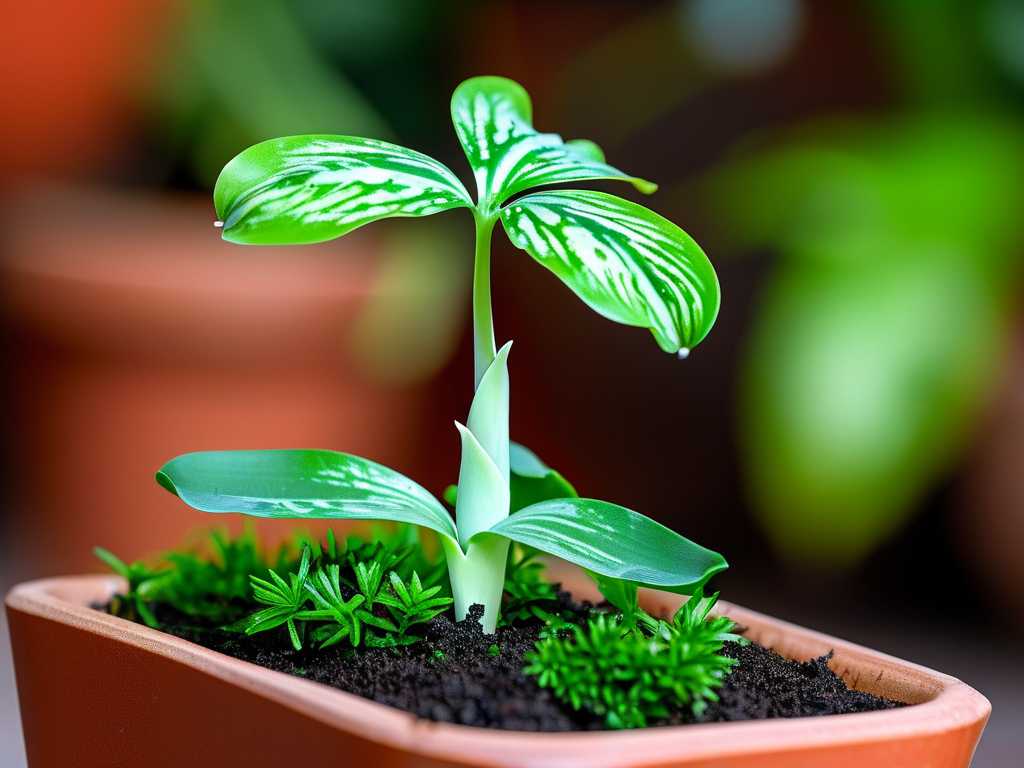
Pitfall 2: Neglect and Starvation Conversely, I once tried stretching to 10-12 days. Growth stalled completely. The lower leaves started yellowing from the tips inward—a sign of nitrogen mobility, where the plant pulls nutrients from old growth to support new. The solution had become depleted and the pH had drifted.
Solution: The fix was simple: return to the disciplined 7-day refresh. I also learned to top up the reservoir mid-week with a small amount of plain water if evaporation was significant, ensuring the roots were never exposed to air or an overly concentrated solution.
Pitfall 3: Ignoring Environmental Factors My first weekly attempt failed because I didn't account for my hot, dry apartment. High temperatures and low humidity increased transpiration and evaporation, stressing the plant between feeds.
Solution: I adapted the principle, not the schedule. During heatwaves, I might slightly increase the volume of the solution or add a mid-week top-up with a very dilute nutrient mix (¼ strength). Monitoring the plant's turgidity is key. The 7-day change remains, but the reservoir size or minor supplementation can be tweaked for environment, a nuance supported by hydroponic experts.
Why Science Backs the 7-Day Rule for Spider Plants
A weekly nutrient solution change isn't arbitrary. It aligns with the plant's growth cycle and practical management. In a closed system, nutrients are absorbed at different rates, pH fluctuates due to root exudates, and water evaporates. Research in controlled environment agriculture suggests a complete nutrient renewal within 7-10 days maintains ionic balance and prevents antagonistic interactions between elements. For a moderately feeding plant like Chlorophytum, a weekly refresh provides a consistent, optimal balance without the labor of constant monitoring. It’s the sweet spot between resource efficiency and plant health.
Answering Your Burning Questions
Can I use a nutrient solution for Chlorophytum less often than once a week? You can, but you risk nutrient deficiency and pH instability. In cooler, low-light conditions, growth slows, and a 8-10 day schedule might work if closely monitored. However, for consistent, vibrant growth, I've found weekly to be the most reliable and foolproof interval. It's easier to maintain a habit than to diagnose a deficiency.
What are the signs my nutrient solution frequency is wrong? Watch the leaves and roots. Brown, crispy tips often point to over-concentration (too frequent or strong). General yellowing, stunted growth, and pale new leaves suggest starvation (too infrequent). Slimy or brown roots indicate rot from poor oxygenation or bacterial growth, often exacerbated by stale solution. The weekly change directly addresses all these.
Do I need to change the solution even if it still looks full? Absolutely. Clarity doesn't equal quality. The nutrients are being depleted, and waste products are accumulating. Think of it like breathing in a sealed room; the air is still there, but its composition becomes toxic over time. The 7-day schedule is about resetting the chemical environment, not just refilling water.
Finding the right nutrient solution application rate transformed my spider plant care. The discipline of a weekly feeding schedule for hydroponic spider plants took the guesswork out and put the growth in. It provided a framework that was both flexible enough to adapt to environmental changes and rigid enough to prevent common hydroponic pitfalls. My Chlorophytum are now lush, prolific, and effortlessly clean. If you're venturing into soilless cultivation, start with this 7-day rhythm. Observe your plants, keep a simple log, and adjust only the margins. You might just find, as I did, that sometimes the simplest, most consistent routine yields the most spectacular results.





