 bluename
Chlorophytum Light in Winter: My Guide to Perfect Supplemental Lighting
Winter is here, and my once-vibrant spider plants are telling a sad story. The leaves are losing their signature stripes, new growth is practically nonexistent, and a general sense of lethargy has settled over my indoor jungle. The culprit? Insufficient natural light. As a dedicated plant parent, watching my Chlorophytum, or spider plants, struggle during the darker months became my central winter challenge. I knew that supplementary light when natural light is insufficient wasn't just a luxury; it was a necessity for their health. This is my hands-on journey, a two-week experiment to find the right light solution, complete with missteps, adjustments, and the ultimate revival of my plants.
Understanding the Winter Light Crisis for Spider Plants
Spider plants (Chlorophytum comosum) are famously adaptable, but they have their limits. Originating from South African forests, they thrive in bright, indirect light. In winter, daylight hours shrink, the sun sits lower, and its intensity weakens. My north-facing windows, which provided decent light in summer, became gloomy caves. The Royal Horticultural Society (RHS) clearly states that poor light is a primary cause of leggy growth and fading variegation in houseplants. My plants were textbook cases. They weren't dying, but they were certainly not thriving. I realized that to maintain their health and beautiful variegation, I needed to artificially replicate the quality and duration of their ideal light conditions. This meant delving into the world of winter care for Chlorophytum with grow lights.
My Step-by-Step Setup for Supplemental Lighting
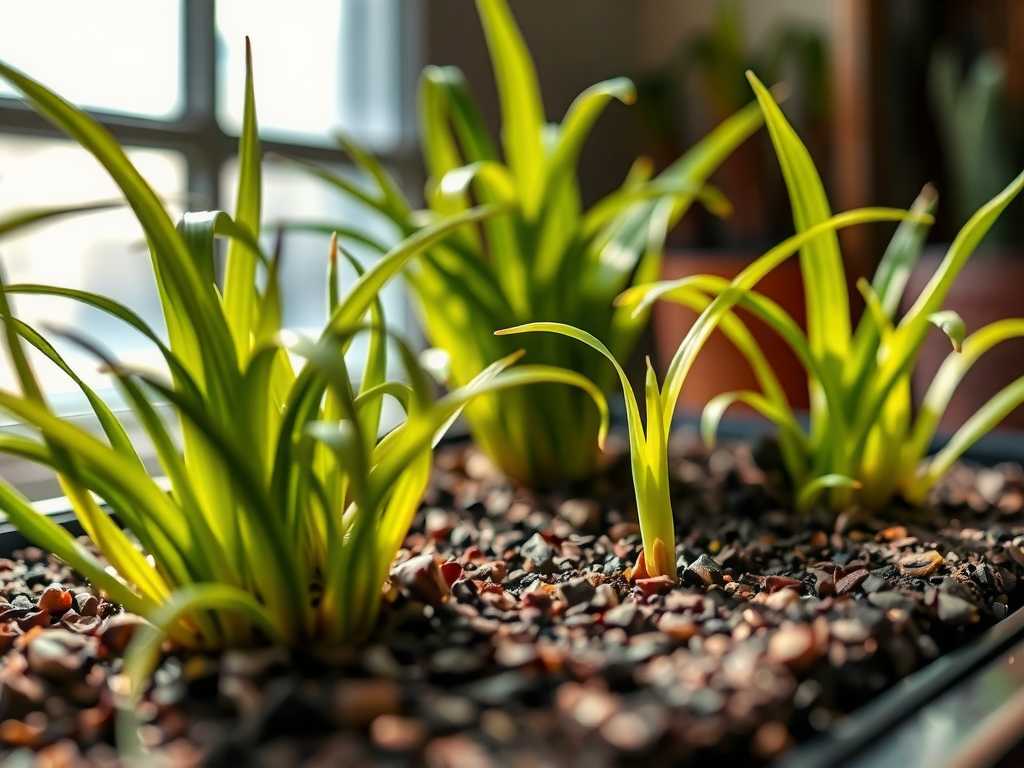
I decided to treat this like a proper experiment. I selected two mature, variegated spider plants showing signs of light deprivation and placed them in my dimmest room. My goal was to use supplemental lighting for 14 days and document the changes.
Week 1: Research and Initial Setup
My first step was choosing the right light. After reading numerous studies, including insights from the American Horticultural Society (AHS), I learned that plants primarily use blue and red spectra for growth. Full-spectrum LED grow lights, which mimic natural sunlight, are energy-efficient and produce less heat. I purchased a 20W full-spectrum LED panel with adjustable brightness and a timer.
- Day 1-2: I set the light panel about 12 inches above the plants, as recommended for low-to-medium light plants. I programmed the timer to provide 12 hours of supplemental light, from 7 AM to 7 PM, extending the natural "day." I used a simple light meter app (not perfectly accurate, but helpful for relative measurements) to ensure the plants were receiving at least 200 foot-candles, a minimum for maintained growth.
- Day 3-5: I established a routine: checking the soil moisture daily, as under lights, the topsoil dried slightly faster. I rotated the pots 90 degrees each morning to ensure even exposure.
The First "Gotcha" and Fix: By Day 4, I noticed the very tips of a few leaves on one plant were turning slightly brown and crispy. I panicked—was it light burn? Upon investigation, I realized my mistake. The LED panel, while cool, was combined with my radiator's dry winter heat. The localized environment was too dry. My fix was twofold: I moved the light to 14 inches away to reduce any intensity concern and placed a small humidifier near the plant grouping. I also made sure to water only when the top inch of soil was dry, avoiding soggy conditions.
Week 2: Observation and Adjustment
- Day 8-10: The first visible change! The existing leaves seemed to "perk up." They looked more turgid and held themselves higher. The rich green and white variegation on the older leaves appeared more defined, less washed out. Most excitingly, I spotted tiny, nub-like protrusions in the center of both plants—the very beginning of new growth.
- Day 11-14: The new growth was undeniable. Several new leaves were unfurling, and they were robust and well-colored from the start. The plants overall had a healthier, more vigorous appearance. There was no further browning on the leaf tips after my adjustments. The use of artificial light for indoor Chlorophytum was clearly working.
Key Lessons from My Two-Week Light Trial
- Distance is Crucial: Start with lights farther away (14-18 inches for LEDs) and observe. You can always move them closer, but leaf scorch is hard to reverse.
- Duration Over Intensity: Spider plants don't need blazing, desert-like sun. Providing 10-14 hours of consistent, moderate supplemental light is more beneficial than 6 hours of intense light. The timer is your best friend for simulating a reliable day/night cycle.
- Mind the Microclimate: Lights affect more than just light. They can raise local temperature and accelerate soil drying. Increase humidity slightly and monitor your watering schedule closely. This holistic approach is essential for optimizing Chlorophytum health in low-light seasons.
- Patience Pays Off: Don't expect overnight miracles. The first signs of success are often improved posture and color in existing leaves, followed by new growth in the second week.
Choosing the Right Light: What Worked for Me
Based on my experience and cross-referenced with expert advice, here’s what I recommend for spider plant parents:
- Type: Full-spectrum LED grow lights. They are cool, efficient, and provide a balanced light spectrum.
- Intensity: A modest 15-25W LED panel or bulb is sufficient for a few plants. Look for lights in the 4000-6500 Kelvin range, which appear as cool white to daylight and are rich in the blue spectrum that supports foliage growth.
- Setup: Adjustable gooseneck lamps or overhead panels offer the most flexibility. Always use a timer to ensure consistency and give your plants a rest period.
How long should I leave grow lights on for my spider plant in winter? Aim for 10 to 14 hours per day. Use a timer to provide consistent light that extends the natural day length, mimicking summer conditions. A consistent photoperiod is less stressful than irregular lighting.
Can I use a regular LED desk lamp instead of a "grow light"? You can, but results may vary. Regular white LEDs often emit light in a spectrum less optimized for plant growth. A full-spectrum LED bulb designed for plants will be more efficient and effective, ensuring your Chlorophytum gets the right wavelengths for photosynthesis.
My spider plant is still not putting out "spiderettes" (pups) with grow lights. Why? While light is a major factor, maturity and slight root-bound conditions also encourage pup production. Ensure your plant is mature (over a year old), and consider letting it become slightly root-bound. Continue with consistent supplemental light and balanced fertilization in the growing season. Sometimes, the plant simply needs more time to redirect energy from surviving to thriving and reproducing.
Watching my spider plants rebound over those two weeks was incredibly rewarding. The solution wasn't complicated or wildly expensive—it was about understanding their needs and providing a consistent, tailored substitute for the missing winter sun. Supplemental lighting transformed my Chlorophytum light in winter from a worrying problem into a manageable routine. If your green friends are looking pale and stagnant, a well-researched light setup can make all the difference, bringing a vibrant piece of summer into your home all year round.





