 bluename
Best Light Conditions for spider plants: Avoid These Common Mistakes
I’ve killed my fair share of spider plants. There, I said it. For years, I struggled with brown tips, stunted growth, and a general lack of those charming little spiderettes. I’d water diligently, repot with care, yet something was always off. It wasn't until I dedicated two weeks to a focused experiment that I pinpointed the silent culprit: light. Getting the best light conditions for spider plants isn't just a suggestion; it's the single most critical factor between a thriving plant and a surviving one. Many of us, myself included, make assumptions about their light needs that lead directly to those common, frustrating mistakes.
In this guide, I’ll walk you through exactly what I learned, step-by-step. I’ll share my two-week observation journal, the clear mistakes I made (so you don’t have to), and the simple fixes that transformed my spider plants from languishing to lush.
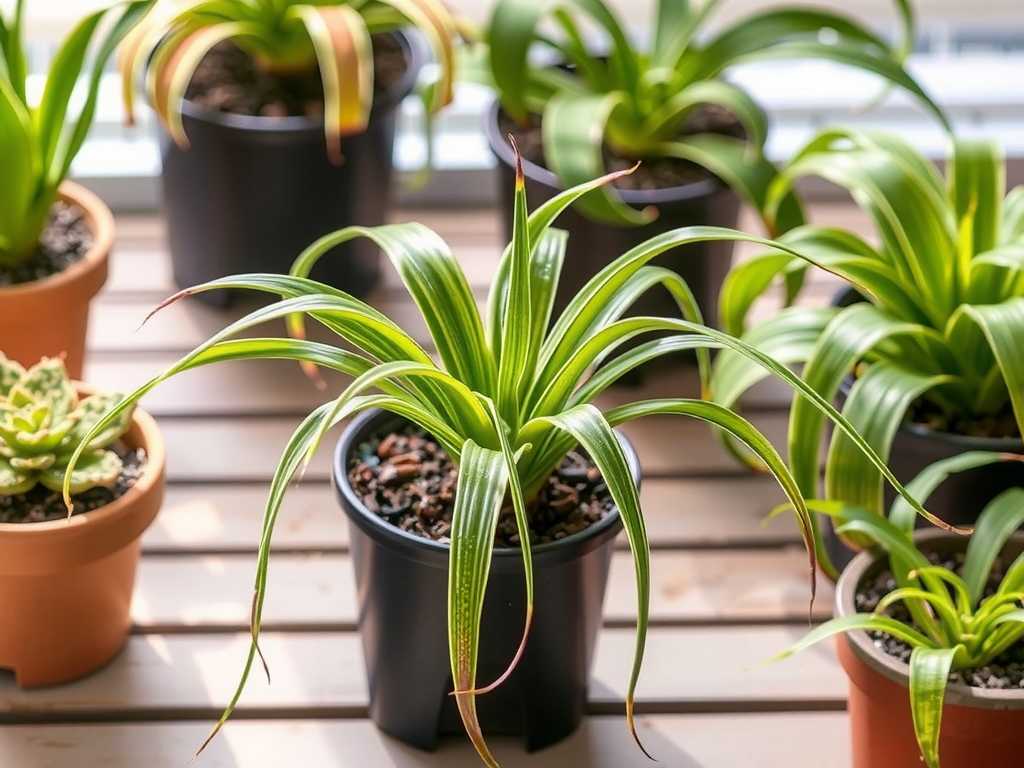
Why Light is Everything for Your Spider Plant
Spider plants (Chlorophytum comosum) are often labeled as "low light" tolerant. This is where the first major mistake happens. "Tolerant" does not mean "prefers." According to the Royal Horticultural Society (RHS), while spider plants can survive in shade, they truly thrive in bright, indirect light. This light fuels photosynthesis, enabling the plant to produce the energy needed for strong leaf growth and, crucially, for producing its famous offsets or "spider babies."
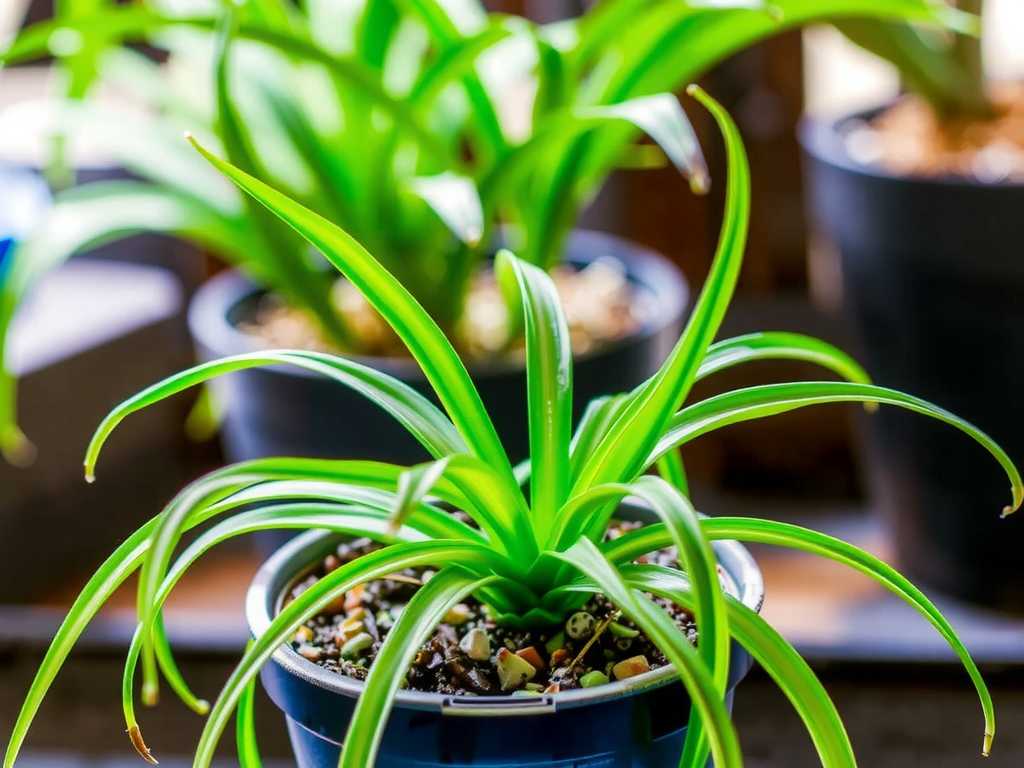
Without adequate light, the plant’s growth slows to a crawl. The vibrant variegation in varieties like the ‘Vittatum’ or ‘Bonnie’ will begin to fade, as the plant produces more chlorophyll to compensate in a desperate bid to capture photons. It becomes weak, less resilient to overwatering, and unlikely to flower or produce plantlets. My own journey was a testament to this. I had a beautiful variegated spider plant sitting five feet from a north-facing window. It was alive, but barely growing, and never once gave me a baby. I was committing what I now call "The Low Light Limbo."
My 2-Week Light Experiment: From Dim to Dynamic
I decided to take action. I selected three of my spider plants, all similar in size and health (or lack thereof), and placed them in three different light conditions for a full 14 days. I tracked their progress daily.
Plant A (The Control): Remained in its original "low light limbo" spot, 5 feet from a north-facing window. Plant B (The Experiment): Moved to a spot about 3 feet back from a bright, east-facing window. This provided several hours of gentle morning sun, followed by bright, indirect light for the rest of the day. Plant C (The "Oops"): Placed directly on a south-facing windowsill, bathed in harsh, direct afternoon sun for 4-5 hours.
Week 1 Observations: The Subtle Shifts
- Days 1-3: Visibly, not much changed. This is important to note—plants don't react overnight.
- Days 4-7: Subtle differences emerged. Plant B (east light) showed a noticeable perkiness. The leaves seemed more upright and firm. Plant A (north light) was unchanged. Plant C (south sill) developed a slight, pale yellow tinge on the very tips of a few leaves—the first sign of stress.
Week 2 Observations: The Truth Revealed
- Days 8-10: The changes became undeniable. A tiny, new leaf spear emerged from the center of Plant B! Plant A remained static. On Plant C, the yellowing intensified into definite brown, crispy tips on the leaves facing the window. I was witnessing sun scorch firsthand.
- Days 11-14: Plant B's new leaf was unfurling. The overall color of the plant was a deeper, richer green with crisp, white variegation. Plant A looked dull in comparison. Plant C's damage was localized but clear. The experiment was conclusive.
The 3 Most Common Light Mistakes (And How I Fixed Them)
My experiment mirrored the common pitfalls I see fellow plant lovers face. Here’s how to identify and solve them.
Mistake #1: Confusing "Low Light Tolerant" with "Low Light Preferred"
This was my original sin. I thought I was being safe by keeping my plant in a dim corner.
- The Fix: Seek Bright, Indirect Light. I moved all my spider plants to locations similar to Plant B's successful spot. The American Horticultural Society's (AHS) light exposure guide calls this "Partial Shade" or "Bright Indirect Light." Ideal locations are:
- East-facing windows: The gold standard. Gentle morning sun is usually safe and highly beneficial.
- West-facing windows: Good, but monitor for intensity. You may need to diffuse the stronger afternoon sun with a sheer curtain.
- South-facing windows: Excellent, but never in the direct line of fire. Place the plant 3-5 feet back from the window or use a filtering curtain.
Mistake #2: Subjecting Them to Harsh Direct Sun
Spider plant leaves are not built for a desert sunbath. Direct afternoon sun, especially through south or west windows, acts like a magnifying glass, burning the leaf tissue.
- The Fix: Filter and Distance. If you only have a south-facing window, use a sheer curtain to diffuse the light. This creates a bright but soft environment. Alternatively, simply moving the plant back from the window into the room's interior, where it still receives plenty of ambient light, solves the problem. For my scorched Plant C, I moved it immediately to an east-facing location. The existing brown tips won't heal, but new growth will be healthy.
Mistake #3: Ignoring Seasonal Light Changes
The sun's angle and intensity change dramatically with the seasons. A perfect spot in spring might become a scorching hotspot in summer or a dark cave in winter.
- The Fix: The Seasonal Shuffle. I now make it a habit to reassess my plants' light every season. In summer, I might pull plants back from south windows. In the deep, dark winter, I might temporarily move a spider plant closer to a window to maximize the weak light, or even supplement with a basic grow light for a few hours a day. Observing your plant is key—it will tell you if it needs more or less light.
What About Artificial Light?
Absolutely. As an enthusiast living in an apartment with limited windows, I've successfully used grow lights. For spider plants, a simple, full-spectrum LED grow light placed about 12-18 inches above the plant for 10-12 hours a day works wonders. It's a fantastic solution for dark corners or boosting light during winter months, ensuring consistent spider plant light requirements are met year-round.
Signs Your Spider Plant is Getting the Wrong Light
Your plant is communicating. Here’s how to translate its signals related to indirect light for healthy spider plants:
- Too Little Light:
- Slow or no growth.
- Fading or loss of variegation (leaves turn solid green).
- Leggy, stretched-out growth as it reaches for light.
- Failure to produce flowers or spiderettes.
- Too Much Direct Light:
- Brown, crispy leaf tips and edges (often confused with underwatering).
- Leaves turning pale, yellow, or even white in patches (sun scorch).
- Leaves looking bleached or washed out.
- Soil drying out excessively fast.
How Often to Water Spider Plants in Ideal Light
Light directly impacts watering. A spider plant in bright, indirect light will use water much faster than one in a dark corner. My old mistake was watering on a schedule (e.g., every Saturday). Now, I always check the soil. I water only when the top 1-2 inches of soil feel dry to the touch. In its new bright spot, this might be once a week. In lower light, it could be every two weeks or more. This prevents the twin disasters of root rot (from overwatering in low light) and dehydration (from underwatering in bright light).
Can a spider plant recover from too much sun? Yes, they are remarkably resilient. Immediately move it to a location with bright, indirect light. Trim off the severely scorched leaves if you wish, but it's not necessary for recovery. The plant will focus its energy on producing new, healthy growth. The existing damaged leaves will remain scarred.
My spider plant has no variegation. Is it a light issue? Almost certainly. Variegated spider plants revert to solid green in low light to produce more chlorophyll. Gradually increase its light exposure to bright, indirect light, and the new growth should come in with the proper striping.
Are spider plants good for a bathroom with no window? While they appreciate humidity, a windowless bathroom lacks the crucial light they need for long-term health. They will survive for a while but will eventually decline. If you love the look, consider treating it as a temporary guest and rotating it weekly with another plant from a brighter location, or install a small grow light.
Finding the best light conditions for spider plants transformed my relationship with these classic houseplants. It’s not about finding any light, but the right light. By avoiding the common trap of low light limbo and the harshness of direct sun, you unlock their true potential. Give your spider plant the gift of bright, gentle, indirect light, and you’ll be rewarded with vigorous growth, stunning variegation, and a cascade of happy little spiderettes that prove you’ve finally gotten it just right.





