 bluename
How to Care for Variegated spider plants: How to Prevent Variegation Fading?
There’s a unique heartbreak that only a plant lover knows: watching the brilliant white and cream stripes of your prized variegated spider plant slowly fade to a uniform, dull green. I’ve been there, staring at a once-stunning ‘Vittatum’ or ‘Bonnie’, wondering where I went wrong. This fading variegation isn't just an aesthetic loss; it’s often a sign the plant is stressed and not receiving the care it truly needs. After years of trial, error, and meticulous observation, I’ve perfected a care routine that keeps those stripes crisp and vibrant. Let me walk you through the exact steps I take, based on a recent two-week rescue mission I performed on a fading plant, sharing both my successes and the pitfalls I encountered along the way.
Understanding Why Variegation Fades
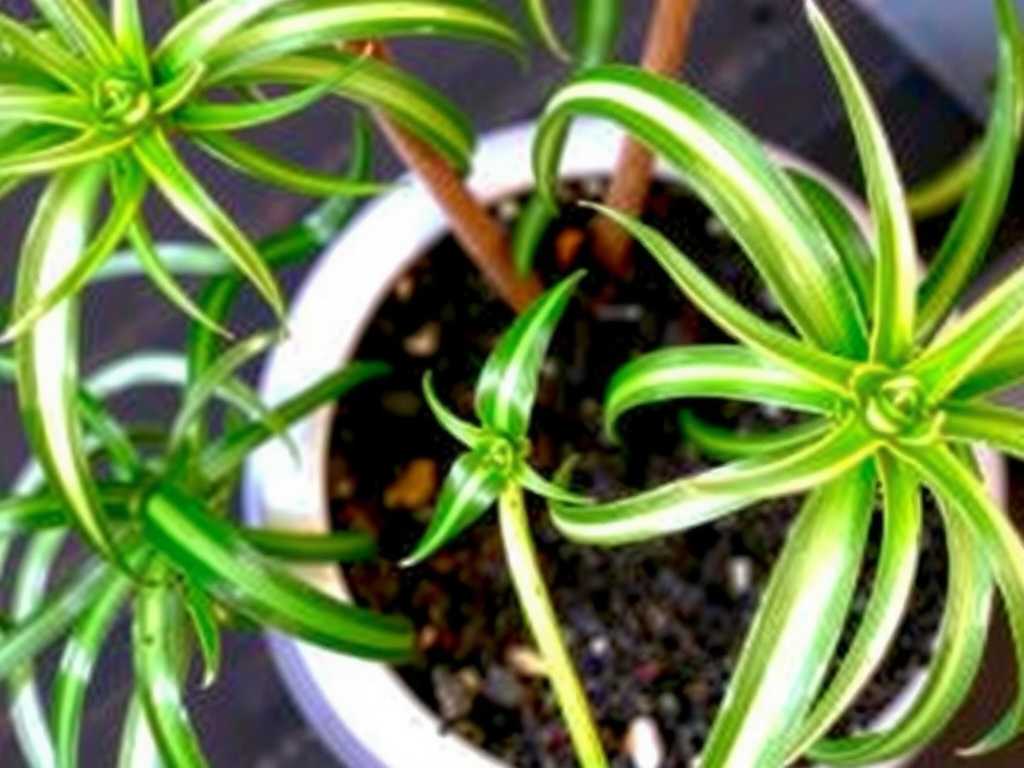
Before we can fix the problem, we need to understand it. Variegation in plants like the spider plant is often due to a lack of chlorophyll in certain leaf cells. Those beautiful white or yellow stripes can’t photosynthesize. This means the green parts of the leaf have to work overtime to feed the entire plant. When the plant is under stress—typically from insufficient light—it does what any sensible organism would: it tries to survive. It produces more chlorophyll to maximize photosynthesis, which slowly overwhelms the variegated areas, turning them green. Other factors like improper fertilization or reverting to all-green growth (a natural but undesirable mutation) can also play a role.
My Two-Week Variegation Rescue Plan
I recently acquired a Chlorophytum comosum ‘Vittatum’ from a friend who was about to give up on it. Its signature central white stripe was noticeably narrower, and the outer leaves were almost entirely green. I committed to a strict, 14-day corrective regimen, documenting every change.
Week 1: The Light Adjustment and Assessment
The single most critical factor for maintaining variegation is providing adequate indirect light. I knew my north-facing bathroom window, where I’d placed the plant, was too dim. The Royal Horticultural Society (RHS) advises that variegated plants generally require brighter light than their all-green counterparts to sustain their patterns.
My Action Steps:
- Relocation: I moved the plant to a spot about three feet back from a bright, east-facing window. This provided several hours of gentle morning sun but protected it from the harsh afternoon rays that can scorch the leaves.
- Cleaning: I gently wiped every leaf with a damp cloth. Dust blocks precious light, and I was shocked at how much brighter the leaves looked immediately after.
- Baseline Photo: I took a clear, well-lit photograph of the plant from a standard angle to track progress.
The First Week’s Observations: By day 3, I noticed no new fading on the emerging leaves. They seemed to be holding their pale color. However, the older, already-green leaves showed no change—which I expected. Reversion is permanent on mature leaves. The key was to support the new growth. The plant also felt slightly perkier, with less leaf tip browning.
The Pitfall I Hit: Over-Enthusiasm with Water In my zeal to "fix" everything at once, I watered the plant on my usual schedule without checking the soil. The new, brighter location didn’t dry out the soil as quickly as I anticipated. By day 5, the soil was still quite damp. I risked root rot, which would cause far more damage than fading.
My Solution: I immediately stuck my finger two inches into the soil. It was moist. I halted all watering and moved the plant to a slightly airier spot with a gentle fan circulation to help the soil dry evenly without chilling the plant. I vowed to only water when the top 50% of the soil was dry—a crucial adjustment for spider plant care.
Week 2: Fine-Tuning Nutrition and Monitoring
With the light issue addressed, I focused on supporting the plant’s health without encouraging excess green growth. This is where fertilization strategy becomes key for preventing loss of variegation.
My Action Steps:
- Fertilizer Choice & Dilution: I used a balanced, water-soluble houseplant fertilizer (10-10-10). However, I diluted it to half the recommended strength. A study referenced by the American Horticultural Society (AHS) suggests that over-fertilization, particularly with high-nitrogen formulas, can promote rapid chlorophyll production, drowning out variegation.
- Application: I applied this weak solution only once, at the beginning of week two, during a thorough watering session (now that the soil was properly dry).
- Pruning: I made the tough decision to prune two of the oldest, fully reverted leaves at the base. This redirected the plant’s energy to the newer, variegated growth.
The Second Week’s Results: The new leaf that had been a tiny spear in week one unfurled fully by day 14. Comparing it to my baseline photo was revelatory. This new leaf had a clearly defined, wide white center stripe, starkly contrasting with the older, greener foliage. The plant had stopped its backward slide and was now producing the vibrant growth I wanted. The overall plant posture was also improved—leaves were arching gracefully, not drooping.
Long-Term Maintenance for Lasting Vibrancy
My two-week intervention was a reset, not a one-time cure. Here’s the ongoing care routine I follow to keep variegated spider plants colorful:
Light is Non-Negotiable: The plant stays in its bright, indirect light spot year-round. In the darker winter months, I even supplement with a basic grow light for a few hours a day to compensate for the shorter days.
Water with Discipline: I never water on a schedule. The "finger test" is my gospel. I ensure the pot has excellent drainage and never lets the plant sit in water.
Feed Sparingly: I continue the half-strength fertilization routine, but only during the active growing season (spring and summer). I completely stop feeding in fall and winter.
Pot and Soil Matters: I repot only when the roots are visibly crowded, using a well-draining potting mix. A root-bound spider plant will struggle to uptake nutrients and water, causing stress that can manifest as fading color.
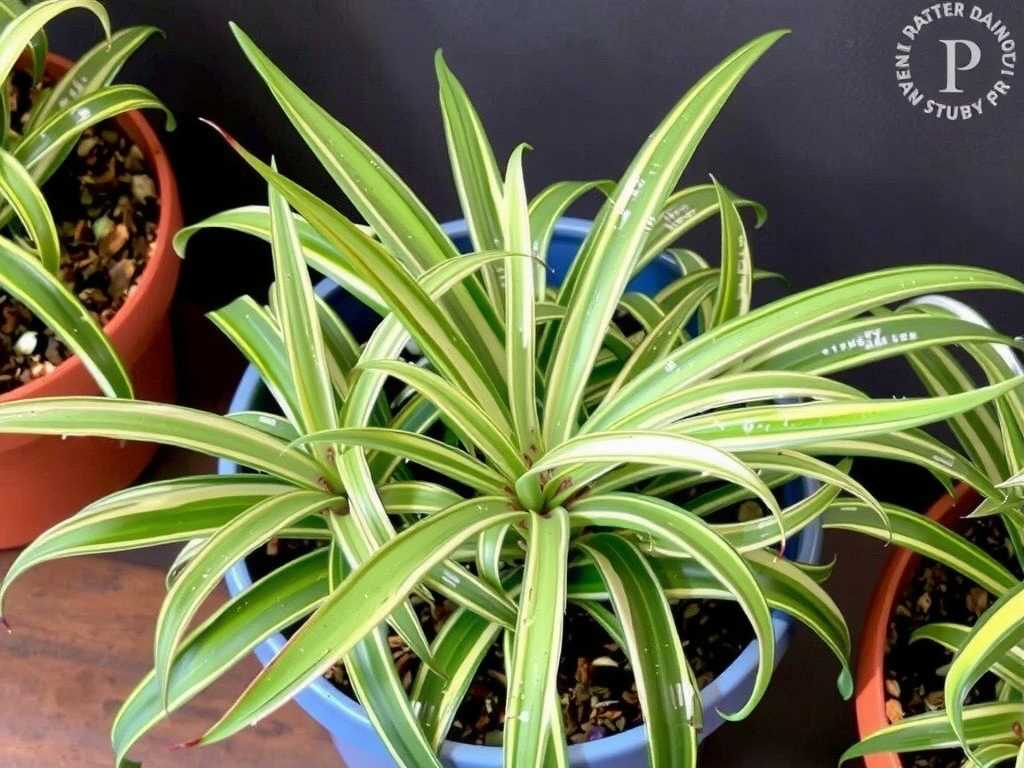
Propagate from the Best: When my plant sends out runners with plantlets, I only propagate from the ones with the strongest variegation. This selectively encourages the trait. I snip off any all-green plantlets immediately.
Can a completely green leaf ever turn variegated again? No, unfortunately. Once a leaf has reverted to solid green, it will remain that way. The focus should be on providing optimal conditions so that all new growth emerges with the desired variegation. Pruning fully reverted leaves can help the plant concentrate its resources.
Is direct sun a good way to "boost" variegation? This is a common and dangerous misconception. Direct, hot sun will scorch and burn the leaves of a spider plant, especially the delicate variegated portions, causing brown crispy patches. Bright, filtered, or indirect light is the safe and effective method.
My spider plant has brown tips even though I'm careful. Is this related to variegation? Brown tips are usually a separate issue related to water quality or humidity. Spider plants are sensitive to fluoride and salts in tap water. Using distilled, rainwater, or filtered water can prevent this. Low humidity can also be a factor. While not directly linked to variegation loss, overall plant stress from brown tips can compound other issues.
Keeping your variegated spider plant brilliantly striped is a rewarding exercise in attentive care. It boils down to consistent, bright indirect light, restrained watering, and modest feeding. By listening to your plant and adjusting its environment—as I did during my focused two-week turnaround—you can enjoy the dazzling contrast of green and white that makes these plants so special for years to come. The transformation from fading to flourishing is not just possible; it’s incredibly satisfying.





