 bluename
Signs Your spider plant Needs More Nutrients (And How to Fix It)
You’ve been caring for your spider plant, watering it faithfully, giving it that bright, indirect light it loves. But lately, something seems off. The vibrant green stripes are looking a bit dull, the growth has slowed to a crawl, and you’re starting to worry. I’ve been there, staring at my once-lush Chlorophytum comosum, wondering what I was doing wrong. The culprit, more often than not, is a simple lack of food. Recognizing the signs your spider plant needs more nutrients is the first step to bringing it back to its glorious, cascading self.
As a long-time indoor gardener, I’ve learned that spider plants are resilient but communicative. They show us clearly when they’re hungry. In this guide, I’ll walk you through the unmistakable symptoms of nutrient deficiency, share the exact, gentle feeding regimen I used to revive my own plant, and detail the two-week transformation I witnessed. I’ll also be honest about the mistakes I made along the way so you can avoid them.
The Silent Cries for Help: Key Deficiency Symptoms
Spider plants don’t wilt dramatically overnight from hunger. The signs are subtler, a slow decline that’s easy to miss until you know what to look for.
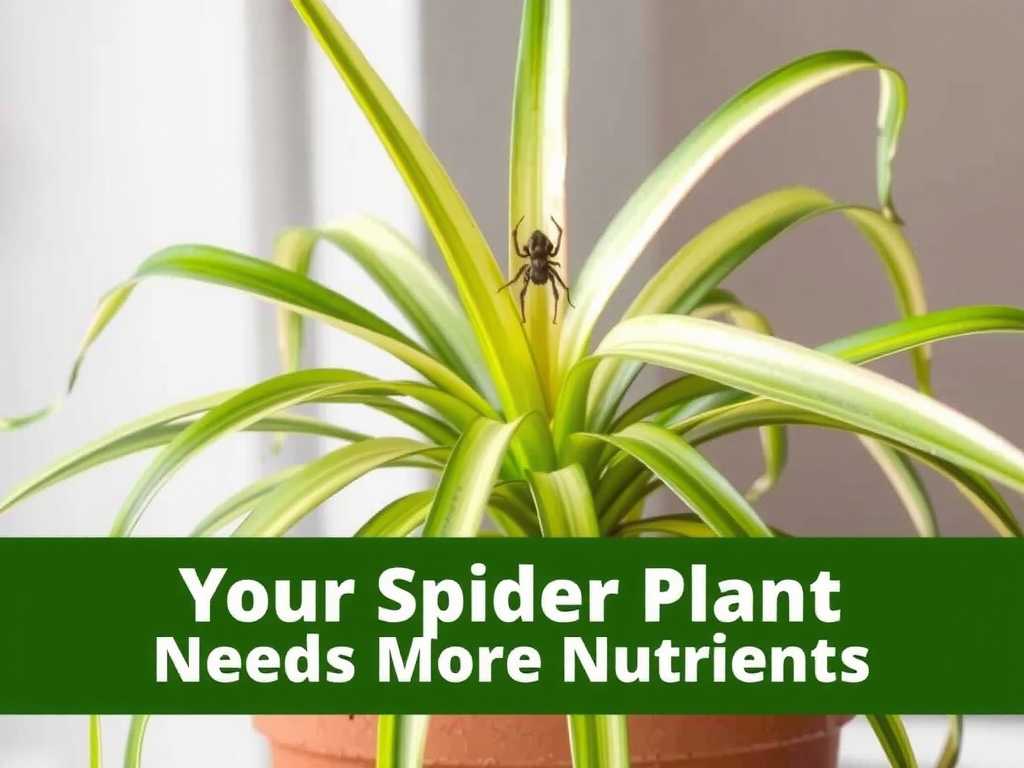
Fading Color and Loss of Variegation This was the first red flag with my plant, ‘Vita’. The brilliant white stripe down the center of each leaf began to look washed out, almost yellowish. The rich green areas faded to a pale, lime hue. It wasn’t the crisp, contrasting beauty I was used to. According to the Royal Horticultural Society (RHS), loss of leaf color and variegation can frequently be traced to a nitrogen deficiency, as nitrogen is crucial for chlorophyll production and overall vibrant growth.
Stunted Growth and Reluctance to Produce Pups Spider plants are typically prolific. A happy plant sends out long runners (stolons) topped with baby spider plants, or “pups.” For months, ‘Vita’ had produced nothing. The center of the plant seemed static. New leaves, when they did appear, were smaller and narrower than the older ones. This lack of vigor is a classic sign that the plant has exhausted the available nutrients in its potting mix and is running on empty.
Weak, Pale New Growth and Brown Leaf Tips While brown tips are often linked to fluoride in water or low humidity, in the context of other symptoms, they can point to a broader nutritional issue. My plant’s new growth was particularly telling—it emerged soft, pale, and lacked the structural firmness of healthy leaves. Some tips browned prematurely. The American Horticultural Society (AHS) notes that a general lack of essential macro and micronutrients can compromise a plant’s cellular strength and its ability to manage water uptake, leading to such stress signs.
My Rescue Mission: A Step-by-Step Nutrient Boost
Seeing these signs your spider plant is nutrient deficient, I knew I had to act. I decided on a two-pronged approach: a one-time corrective treatment followed by a consistent, light feeding schedule. I committed to observing and documenting the effects over two weeks.
Week 1: The Assessment and Initial Feeding
Day 1-2: Diagnosis and Preparation First, I ruled out other issues. I checked the roots by gently tipping the pot—no signs of being root-bound. I confirmed my watering routine hadn’t changed. The evidence pointed squarely to hunger. I chose a balanced, water-soluble fertilizer with an equal NPK ratio like 10-10-10 or 5-5-5. Crucially, I selected one that was labeled as “complete,” containing essential micronutrients like iron and magnesium, which are vital for chlorophyll and variegation.
Day 3: The First, Gentle Feeding Here’s where I made my first mistake. In my eagerness, I almost used the dosage recommended on the bottle for monthly feeding. I stopped myself, remembering spider plants are sensitive to fertilizer salts. I used half the recommended strength. I thoroughly watered the soil first with plain water to prevent root shock, then applied the diluted fertilizer solution until it drained freely from the bottom. I made sure to wipe any droplets off the leaves to prevent burn.
Day 4-7: Observation and Adjustment I placed ‘Vita’ back in its ideal spot with bright, indirect light. I monitored the soil moisture closely, ensuring it stayed lightly moist but not soggy. For the first few days, there was no visible change—which I expected. The plant was absorbing nutrients at the root level.
Week 2: The Turning Point and Establishing a Routine
Day 8-10: The First Glimmers of Recovery This was the exciting part. I noticed the faintest deepening of color in the mature leaves. They looked less washed-out. More importantly, the very newest leaf at the plant’s center seemed a shade greener and felt slightly firmer to the touch. This was the confirmation I needed that the fix for spider plant nutrient deficiency was working.
Day 11-14: Visible Vigor and Planning Ahead By the end of the second week, the improvement was undeniable. The overall plant color was richer. The most promising sign? A tiny, nub-like growth point appeared at the base—a potential new pup starting its journey. The pale new growth from before began to darken to match the healthier foliage.
I established my long-term plan: a monthly feeding schedule for spider plants during the active growing season (spring and summer). I would continue using the half-strength, balanced fertilizer. In fall and winter, I would switch to feeding only once every 6-8 weeks, or not at all, respecting the plant’s dormant period.
The Pitfalls I Encountered (And How You Can Avoid Them)
My journey wasn’t perfectly smooth. Learning from error is part of the process.
The Burn Scare: Overzealous Feeding A few years back, with a different spider plant, I made the critical error of applying full-strength fertilizer to dry soil. Within days, the leaf tips turned crispy brown and several lower leaves yellowed rapidly. I had scorched the roots. The fix was immediate and intensive: I flushed the soil with a large volume of clean, lukewarm water—about three to four times the pot’s volume—to leach out the excess salts. I then trimmed the badly damaged leaves and left the plant to recover in shade for a week. It survived, but it was a stressful lesson. Now, I always water first and dilute heavily.
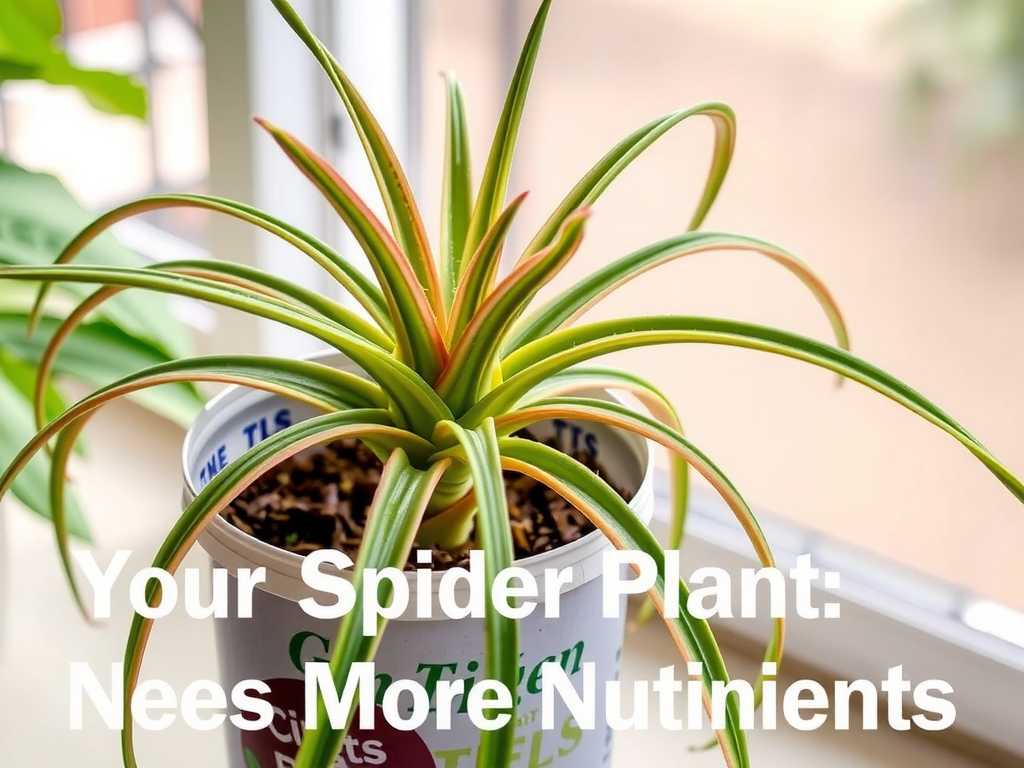
Ignoring the Seasonal Clock I once continued my monthly feeding schedule into late autumn. The plant, slowing its growth for winter, didn’t uptake the nutrients, which led to a buildup in the soil and mild salt stress. I learned to observe the plant’s rhythm, not just the calendar. When growth visibly slows and daylight decreases, it’s time to reduce feeding frequency significantly.
Neglecting the Foundation: Soil Refreshment Fertilizer isn’t a substitute for fresh soil. Potting mix breaks down over 12-18 months, losing its texture and nutrient-holding capacity. Even with feeding, my plants struggled until I realized they were essentially sitting in exhausted dirt. Now, I repot my spider plants into a fresh, well-draining potting mix every other spring, which provides a great baseline of slow-release nutrients and makes my liquid feeding regimen far more effective.
Your Questions, Answered
Can I use homemade fertilizers, like coffee grounds or eggshell water, for my spider plant? Proceed with extreme caution. Coffee grounds can make the soil too acidic and compact it over time, hindering drainage. Crushed eggshells decompose incredibly slowly in pot soil, offering little available calcium. For a gentle, homemade option, I’ve occasionally used water from my freshwater aquarium during water changes, as it contains mild, natural nitrates. However, for consistent and balanced nutrition, a formulated, diluted liquid fertilizer is safer and more reliable.
How do I know if it’s a nutrient problem or something else, like overwatering? The key is in the combination and progression of symptoms. Overwatering typically causes widespread yellowing of lower leaves, often accompanied by a mushy feel at the base or a foul soil smell. Nutrient deficiency shows as overall paling, lack of new growth, and smaller leaves, while the plant structure otherwise remains firm. When in doubt, check the roots. Healthy roots are firm and white or tan, while rotten roots are brown, mushy, and smelly.
My spider plant has brown tips even after I started fertilizing. What am I doing wrong? Brown tips are often a separate issue from core nutrient deficiency. The most common cause is minerals (like fluoride and chlorine) in tap water. Spider plants are sensitive to these. My solution was to switch to watering with distilled water, rainwater, or tap water that has been left in an open container for 24 hours to allow some chemicals to dissipate. Also, ensure you are not over-fertilizing, as salt buildup can also cause tip burn.
Seeing your spider plant languish is concerning, but it’s a problem with a clear solution. By learning to read the signs—the fading stripes, the silent runners, the timid new growth—you can intervene effectively. A consistent, gentle feeding routine, aligned with the seasons and paired with good overall care, will transform your plant. From my own experience with ‘Vita’, the reward of seeing those vibrant colors return and the first tiny pup emerge is worth every bit of attention. Your lush, thriving spider plant is just a few careful feedings away.





