 bluename
Summer Care for spider plants: Shading Methods to Avoid Intense Sun Exposure
As a dedicated plant enthusiast, I’ve learned that summer care for spider plants often revolves around one critical challenge: managing sunlight. It’s a common misconception that these resilient plants can handle anything. I used to think so too, until one scorching July afternoon left my favorite variegated spider plant with pale, bleached leaves and crispy brown tips. That moment of panic sparked my deep dive into effective shading methods to avoid intense sun exposure. Over two weeks of careful experimentation, I developed a practical, step-by-step approach that transformed my spider plants from sun-stressed survivors into thriving, lush specimens. Let me walk you through exactly what I did, what worked, what didn’t, and how you can apply these lessons to your own green companions.
Why Spider Plants Need Sun Protection in Summer
Spider plants (Chlorophytum comosum) are famously adaptable, but their tolerance has limits. The Royal Horticultural Society (RHS) notes that while they prefer bright, indirect light, direct summer sun can scorch their leaves, especially the variegated types. The intense UV rays and heat can break down chlorophyll, leading to those telltale faded, whitish patches and dry, brown tips. My goal was clear: to filter the light, not eliminate it. Plants still need energy for photosynthesis and, crucially, for producing their charming spiderettes (or plantlets). Striking this balance is the heart of summer care for spider plants.
My Two-Week Shading Experiment: A Step-by-Step Journey
I selected three mature spider plants showing early signs of light stress—slight paling of stripes and dry leaf tips. I placed them in a south-east facing window that gets fierce morning sun. For 14 days, I tested and observed three primary shading methods.
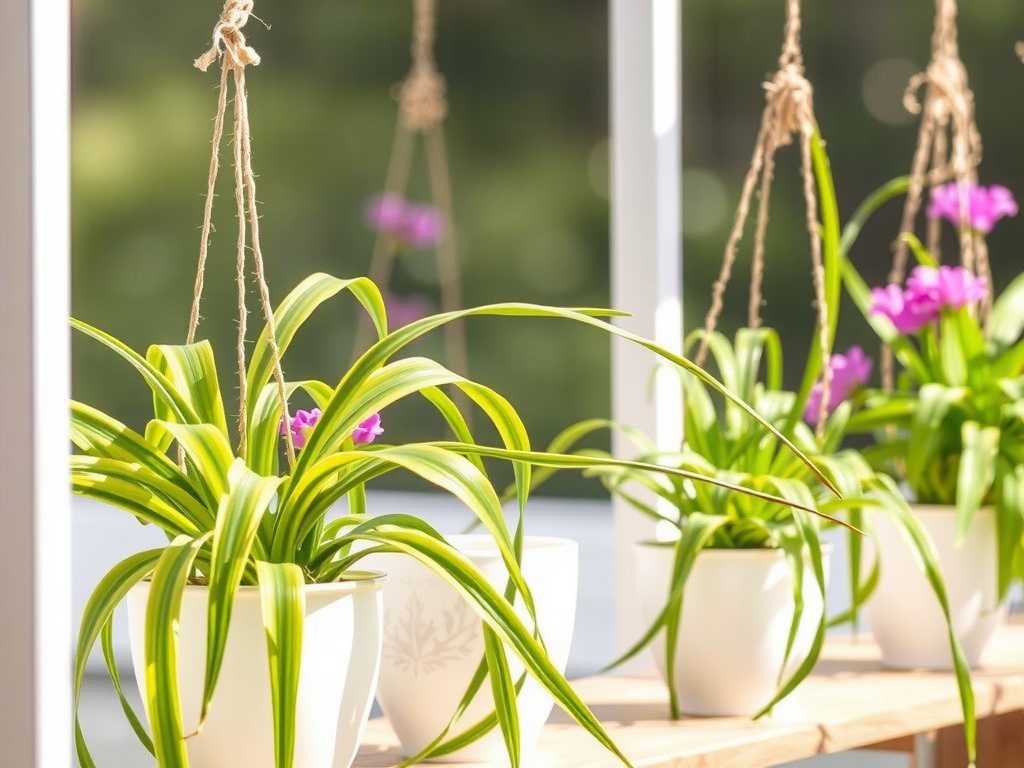
Week 1: Testing the Waters with Different Filters
My first step was immediate relocation. I moved the plants back from the windowsill by about three feet, onto a side table. This simple act of providing distance from the glass was my baseline method. For the second plant, I employed a sheer curtain—a lightweight, white voile panel. This is a classic and highly recommended method to diffuse direct sunlight. For the third plant, I wanted to try a more adjustable solution: a adjustable semi-transparent window film. I applied a static-cling film with a light frost pattern to the lower half of the window pane.
- Days 1-3: The plant simply moved back showed no new damage but didn’t improve. The curtain-filtered plant looked happiest; its leaves seemed to perk up. The window film plant, however, developed a slight curl in a few leaves on day two. I realized I might have created a minor "hot spot" due to the film’s edge, trapping warm air.
- Days 4-7: The "step back" plant began reaching noticeably toward the light, a clear sign it wanted more. The curtain method continued to excel. For the window film plant, I mitigated the curling by ensuring better air circulation with a small oscillating fan on low, set several feet away. This solved the issue within a day. By the end of week one, the curtain was winning. The leaves under it were a vibrant green, and I even spotted a new, healthy spiderette forming.
Week 2: Refinement and Observation of Long-Term Effects
In the second week, I made adjustments based on my observations. I moved the "step back" plant to a north-facing room with bright, pure indirect light for comparison. I left the curtain method as is, as it was performing perfectly. For the window film, I fine-tuned its placement to cover the entire window pane evenly.
- Days 8-10: The plant moved to the north window stabilized. The reaching stopped, and its color held steady. The curtain-filtered plant was not just maintaining but thriving. New growth was strong and correctly colored. The adjusted window film plant now matched the curtain plant’s performance; the leaf curl was gone, and the environment was stable.
- Days 11-14: The results were conclusive. After two weeks, the spider plant behind the sheer curtain showed the most significant overall improvement. The existing bleached patches hadn’t re-greened (damaged chlorophyll doesn’t recover), but all new growth was lush, deep green with crisp white stripes. Brown tip formation had completely halted. The plant under the window film showed identical positive results. The plant given only distance failed to thrive as robustly and continued to show a slight tendency to stretch.
The Pitfalls I Encountered and How I Fixed Them
My journey wasn’t without missteps. Here are the key lessons from my two-week trial:
- The "Too Far Back" Trap: My initial assumption that simply moving the plant back was sufficient was wrong. While it prevented burn, it induced leggy, weak growth as the plant strained for light. The Fix: If you can’t use a filter, don’t just move the plant back; move it to a completely different window with truly bright, indirect light (like a north or east-facing aspect).
- Poor Air Circulation with Solid Filters: The minor leaf curl with the window film was a surprise. I hadn’t considered that a static filter on the glass could slightly alter the microclimate, potentially trapping a thin layer of warm, stagnant air. The Fix: Introducing gentle, room-wide air movement with a fan prevented any heat buildup and kept the leaves healthy. This is a good practice in summer regardless.
- Ignoring the Pot's Location: The sunlight wasn’t just hitting the leaves; it was baking the plastic nursery pot, heating the roots. The Fix: I placed all pots inside slightly larger decorative ceramic cache pots. The air gap between them acted as insulation, keeping root zones cooler—a tip often emphasized by interior landscaping experts.
Best Shading Methods to Avoid Leaf Scorch
Based on my hands-on experience, here is my ranked list of effective shading strategies:
- Sheer Curtains or Blinds: The undisputed champion. They perfectly diffuse harsh rays into a gentle, plant-friendly glow. It’s affordable, adjustable, and aesthetically pleasing.
- Static-Cling Window Film: A fantastic, permanent-temporary solution (it peels right off). Choose a "frosted" or "privacy" style that scatters light. Ensure it’s applied smoothly to avoid optical distortions that might focus light.
- Strategic Relocation: This doesn’t mean a darker corner. It means identifying a window that never receives direct sun. An east-facing window for gentle morning sun or a bright north-facing window are ideal secondary summer homes.
- Companion Planting (The Canopy Method): Place your spider plant under or beside a larger, sun-tolerant plant (like a fiddle leaf fig or bird of paradise). The larger plant’s foliage creates a natural, dappled shade effect.
How to Tell if Your Shading Method is Working
Don’t wait for burns to appear. Positive signs after 1-2 weeks include:
- Cessation of New Brown Tips: The most immediate indicator of success.
- Vibrant, Stable Coloration: Leaves maintain deep green and white variegation without fading.
- Firm, Turgid Leaves: No wilting, curling, or leathery texture.
- Healthy New Growth: Emerging leaves and spiderettes are robust and well-colored.
My spider plant’s leaves have white crispy tips. Is it too late? The crispy parts won’t heal. You can snip off the brown tips with clean scissors, following the leaf’s natural angle. The key is that with proper shading, all new growth will emerge healthy and tip-free.
Can I use sunscreen or tint spray on the leaves? Absolutely not. This is a common garden myth. These products can clog the plant’s stomata (pores), hindering respiration and photosynthesis. Always filter the light before it hits the plant, never coat the plant itself.
My home doesn’t have good light windows. Can I use a grow light instead in summer? Yes, this is a clever workaround. Moving your spider plant away from a hot window entirely and supplementing with a standard full-spectrum LED grow light for 8-10 hours a day gives you complete control over "sun" exposure and avoids summer heat stress altogether.
Mastering summer care for spider plants truly comes down to intelligent light management. By acting as a thoughtful mediator between your plant and the summer sun, using simple tools like sheer curtains or window film, you can prevent damage before it starts. The transformation over a short two-week period, from stressed to serene, is profoundly rewarding. Your spider plant will repay your care with vigorous growth, brilliant variegation, and an abundance of happy, trailing spiderettes, making your space feel lush and alive all season long.





