 bluename
spider plant Care for Pet Owners: Selection of Non-Toxic Varieties and Placement Positions
As a devoted plant lover and a proud pet parent, I’ve faced the all-too-common dilemma: how to keep my home lush and green without putting my curious cat, Whiskers, at risk. I remember the heart-stopping moment I found him batting at a dangling leaf, a tiny piece torn off. While I knew spider plants (Chlorophytum comosum) were generally considered safe, that incident sparked a deep dive into truly pet-safe spider plant care. I realized it wasn't just about toxicity; it was about selecting the right non-toxic varieties and mastering their placement to prevent any mishaps. Over two weeks, I transformed my approach, focusing on safe plant placement for pets and the specific needs of different spider plant types. Here’s my hands-on journey, complete with trials, errors, and a happy, harmonious home.
Why Spider Plants Are a Top Choice for Pet-Friendly Homes
Let's start with the foundation. According to the ASPCA (American Society for the Prevention of Cruelty to Animals), spider plants are listed as non-toxic to both cats and dogs. This authoritative backing was my first green light. However, "non-toxic" doesn't mean "no consequences." As veterinary sources note, ingestion of any plant material can sometimes cause mild gastrointestinal upset in sensitive pets—think minor vomiting or diarrhea. The goal, therefore, is preventing pet access to houseplants through smart choices and strategy, not just relying on the non-toxic label.
My project began with a clear mission: to cultivate a thriving spider plant collection that Whiskers could coexist with peacefully, using varieties known for their resilience and confirmed safety.
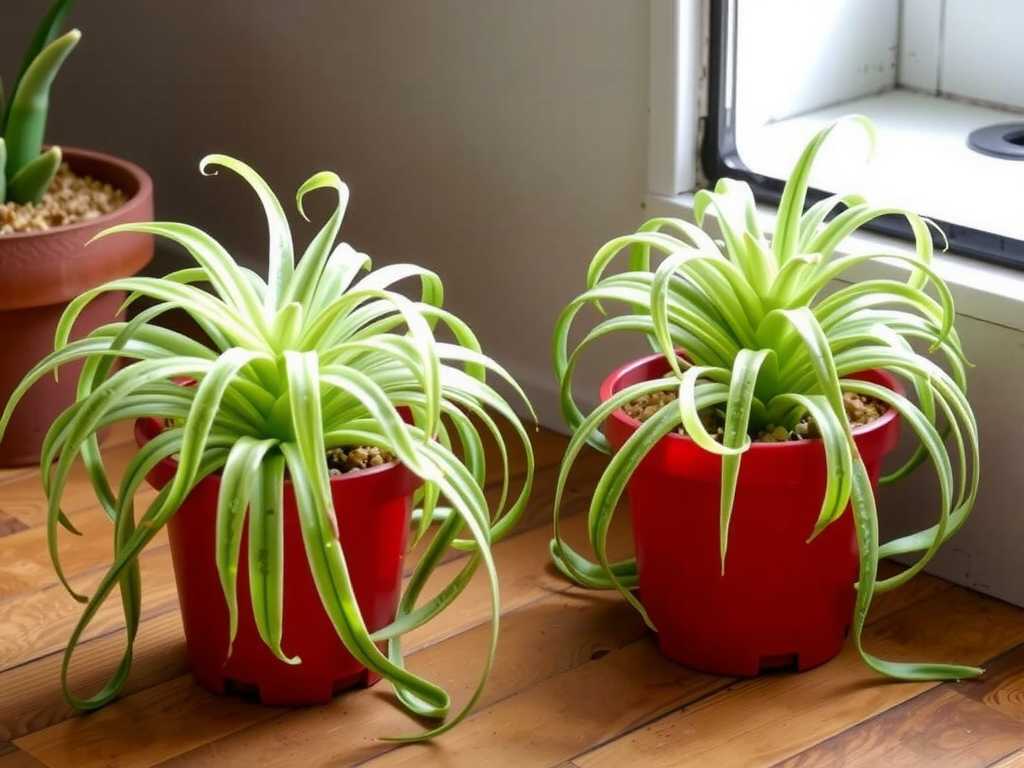
Selecting the Perfect Non-Toxic Spider Plant Variety
Not all spider plants are identical. For pet owners, some varieties are more suitable than others, often due to growth habits and ease of care. I focused on two main types.
The Classic Variegated Spider Plant (Chlorophytum comosum 'Vittatum')
This is the most common, with green leaves and a bold white stripe down the center. I chose a healthy, medium-sized plant from a local nursery. My selection criteria were firm, glossy leaves (no brown tips) and no signs of pests. This variety is a champion for indoor air purification, a bonus for any home.
- My Care Steps: I repotted it using a well-draining, peat-based potting mix into a pot with ample drainage holes. I placed it in a spot with bright, indirect light—about six feet from a south-east facing window.
- The 2-Week Observation: The plant responded beautifully. I watered it thoroughly once the top inch of soil felt dry, which amounted to once a week in my home's humidity. By the end of the first week, I noticed a new, pale green shoot emerging from the center. By day 14, that shoot had lengthened considerably, and the existing leaves remained perky and vibrant. No browning or drooping.
- The "Gotcha" Moment: I initially placed it on a low shelf. Whiskers, intrigued by the new, swaying foliage, saw it as a personal playground. Solution: This was my first lesson in pet-friendly plant positioning. I immediately moved it to a high, hanging macramé planter. Problem solved.
The Solid Green Spider Plant (Chlorophytum comosum 'Green')
Also known as the "Bonnie" or all-green variety, this one lacks the white variegation, meaning it has more chlorophyll. I read it could tolerate slightly lower light conditions, which offered more placement flexibility away from prime pet zones.
- My Care Steps: I gave it similar potting conditions but placed it in a north-facing room with moderate, filtered light. My watering schedule was similar, but I checked the soil moisture more carefully, as lower light can slow drying.
- The 2-Week Observation: This plant grew more slowly than the variegated one, but steadily. The deep green leaves darkened slightly, a sign it was adapting well to the light level. It didn't produce any runners ("spiderettes") during this period, which actually simplified the pet-access equation initially.
- The "Gotcha" Moment: I underestimated its water needs in a ceramic pot. The soil stayed wet for too long. By day 10, the tips of two lower leaves began to yellow. Solution: I scaled back watering immediately, allowing the soil to dry out almost completely before the next drink. I also aerated the soil gently with a chopstick. The yellowing stopped progressing.
Mastering Safe Plant Placement for Pets
This was the most critical phase. A non-toxic plant can still cause trouble if it becomes a chew toy or gets knocked over. My strategy evolved through real-time observation.
High and Out-of-Reach: The Ultimate Strategy
Elevation is your best friend. After the shelf failure, I installed two ceiling hooks.
- Implementation: I hung the variegated spider plant in its macramé hanger. For the solid green one, once I was confident in its health, I moved it to a high, sturdy bookshelf that Whiskers cannot jump onto due to cluttered, unstable surfaces (a strategically placed stack of books helped create this deterrent).
- Effectiveness: This was 95% successful. Whiskers would occasionally sit below the hanging plant and watch it, but the enticing dangle was safely out of paw's reach. The bookshelf placement remained completely undisturbed.
Creating Physical and Sensory Barriers
I wanted a spider plant on my desk, so I needed a ground-level solution.
- Implementation: I placed a small "Zebra" spider plant (a variegated type with curved leaves) in a pot on a wide desk tray. Around the base of the pot, I arranged several spiky, unpalatable succulents (like Haworthia) and a few citrus peels. Cats generally dislike the smell and texture.
- The 2-Week Observation: Whiskers jumped onto the desk once, sniffed the citrus, nudged a spiky succulent leaf, and promptly jumped down. He has not attempted to bother that plant cluster since. The spider plant itself thrived in the bright desk lamp light.
The Spiderette Dilemma: Managing Offspring
Spider plants are prolific producers of baby plantlets. These dangling curiosities are irresistible to cats.
- My Proactive Step: As soon as the first runner on my variegated plant developed a sizable spiderette, I faced a choice: propagate or prune. For pet safety, I decided to prune it off during this initial phase. I snipped the runner near the base of the mother plant and placed the spiderette in a small jar of water to root—on a high windowsill Whiskers can't access.
- Result: This prevented the swinging baby plant from becoming a target. It also gave me a new, safe-started plant to share with a fellow pet-owning friend.
The Verdict: A Harmonious Home After 14 Days
After two weeks of intentional care and adjustment, the results were clear. My spider plants were not just surviving; they were pushing out new growth, contributing to cleaner air, and adding serene beauty to my space. Most importantly, Whiskers showed no signs of gastrointestinal distress or obsessive interest. The home felt balanced. The combination of selecting robust, non-toxic varieties and implementing strategic, multi-layered placement created a win-win environment. It proved that with a little foresight, the joy of houseplants and the companionship of pets are not mutually exclusive.
My spider plant's leaves have brown tips. Is it harmful to my pet? Brown tips are usually caused by low humidity, fluoride in water, or occasional under-watering. While unsightly, they do not make the plant toxic. To be safe, you can trim the brown tips off with clean scissors to prevent your pet from chewing on the crispy parts, which offer no nutritional value and could be a choking hazard.
My cat won't leave my hanging spider plant alone. What else can I do? If elevation alone isn't enough, try adding a deterrent. A double-sided tape mat on the surface below the plant is often effective, as cats dislike sticky paws. You can also use a pet-safe deterrent spray (always check labels) on the outer pot or the surrounding area. Increasing interactive playtime with your cat elsewhere can also redirect their predatory energy away from your plants.
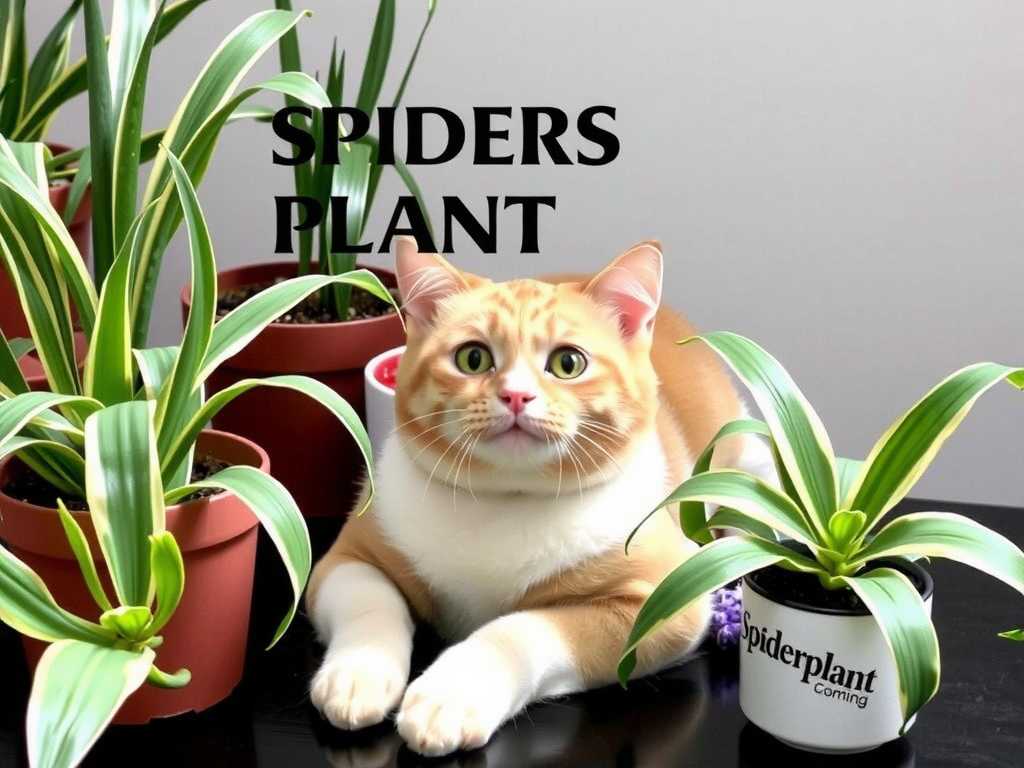
Can I let my spider plant's babies hang down, or should I always remove them? It depends on your pet's personality. For determined jumpers or climbers, it's safest to remove the spiderettes as they form and propagate them separately. If your pet shows no interest, you can leave them. However, always monitor the situation, as the moving plantlets can suddenly trigger a cat's play instinct. When in doubt, propagate—it gives you more plants to enjoy or share safely.





