 bluename
How to Reuse Clean Rain Barrels to Collect Fluoride-Free Water for spider plants
I used to fill my watering can straight from the tap, until I noticed the tips of my spider plants turning brown, one leaf at a time. That browning is a classic sign of fluoride burn, and it pushed me to try something different. So here is the short answer: I reuse clean rain barrels to collect fluoride-free water for my spider plants, and it took me about two weeks of steady use to see new growth come in green and clean, with no crispy edges. It is honestly one of the easiest switches I have made.
Quick heads up before we get deep into it. Spider plants hate fluoride and chlorine. Rainwater gives them neither. If you set up even one barrel properly, you can stop buying filters and stop watching your plant slowly scorch. Let me walk you through how I did it, what broke, and what I would tell a newbie.
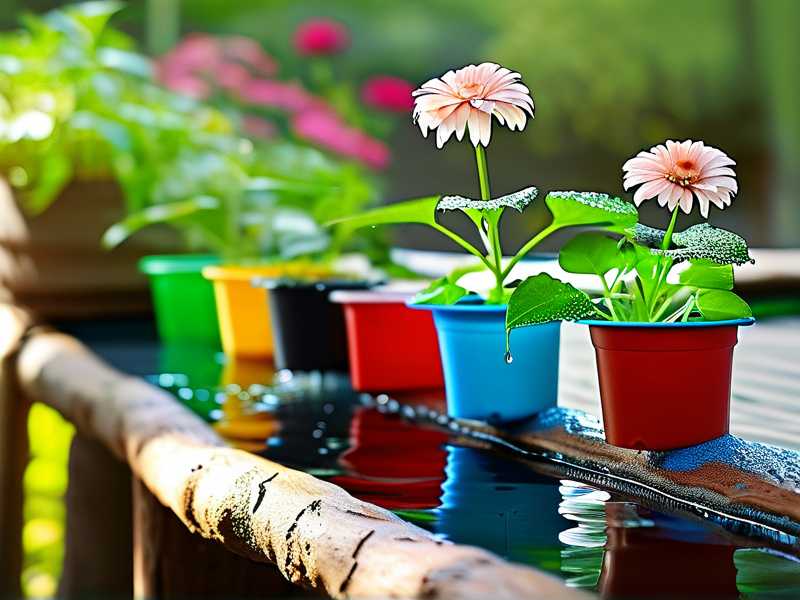
Why Spider Plants and Tap Water Do Not Get Along
Spider plants, or Chlorophytum comosum, are famous for being tough. But they are also fussy about one thing, and that is water quality.
Tap water in a lot of US, Canadian, UK, and Australian cities carries fluoride and chlorine. A few other places add chloramine. Your plant takes those minerals up through the roots, and they build up in the leaf tissue.
The result shows up as brown leaf tips and speckled spots. It is not a disease. It is basically the plant calling out the water.
The RHS notes that brown leaf tips on houseplants are often linked to water quality and dry air. In my own kitchen, the problem was 100 percent the water.
Rainwater skips all of that. It is soft, slightly acidic, and free of the additives that cause tip burn. That is why I now treat rain barrels like a small garden asset rather than a bulky plastic tub in the yard.
Picking a Safe Rain Barrel to Reuse
Not every barrel is safe. That matters more than most people think.
I only reuse barrels that held food-grade or neutral materials. My first attempt used an old industrial drum I found behind a shed. Bad idea. It had a chemical smell even after three rinses, and I tossed it.
Here is what I look for now:
- Barrels that stored food, juice, or plain water
- Barrels with no lingering smell after a good scrub
- Barrels with a tight lid to keep mosquitoes and leaves out
- A spigot or tap near the bottom for easy filling
- Plastic that is UV stable, or else it will crack in a year
If a barrel smells like paint thinner, fuel, or detergent, do not use it. No amount of rinsing makes that safe for your plants.
Cleaning the Barrel Before First Use
I wash any reused barrel with warm water and a splash of plain dish soap. Then I rinse it three or four times. That is it. No bleach, no harsh cleaners, because residue stays behind and your plant will drink it.
Let it dry in the sun for a day or two. Sunlight helps kill off anything left on the inside surface.
Setting Up the Rain Barrel
Placement decides how much water you actually collect.
I put my barrel under a downspout, but not directly. I use a small diverter so the first dirty flush of rain, the stuff full of roof grit, does not go straight in. The diverter also keeps the barrel from overflowing in a storm.
Raise the barrel on a couple of concrete blocks. Gravity does the rest. This makes filling a watering can so much simpler.
Then check your local rules. Some US states and Canadian provinces have limits on rain harvesting. In most of the UK and Australia, a standard barrel on your own property is fine, though some areas still want you to check. It takes five minutes to look up and it saves headaches later.
My Two-Week Test With Spider Plants
I ran a simple experiment. Two spider plants, same size, same pot type, same spot near a bright window.
One got tap water. The other got rainwater from the reused barrel.
Week one was quiet. No dramatic change. Honestly, I almost gave up watching them.
By about day ten, the rain-fed plant started pushing out small new leaves. And they were clean. No brown tips at all.
The tap-water plant kept growing too, but every new leaf had a slight brown point. By day fourteen, the difference was obvious. The rainwater plant looked noticeably healthier, with a deeper green.
That was enough for me. I have not gone back to tap water since.
The 3 Mistakes That Kill Houseplants
Before you rush off to set up your barrel, let me save you some pain. I have killed my share of plants, and these three problems cause most of it.
Mistake 1: Overwatering
This is the big one. 90% of indoor plants die from overwatering. I mean it.
I lost my first spider plant this way. I watered it every two days because it "looked thirsty." The roots rotted, and the plant collapsed before I understood what happened.
Rainwater does not fix overwatering. In fact, it can make it easier to overdo, because you feel good about the water and use more of it.
Water when the top inch of soil feels dry. Stick your finger in. That is the whole test.
Mistake 2: Wrong Light
Spider plants want bright, indirect light. That is it.
I once put one on a south-facing sill in full afternoon sun. The leaves bleached and scorched within a week. Then I moved another one into a dark corner and it went pale and leggy.
Find a spot that gets good light but no direct harsh sun. Near a window with a sheer curtain is close to perfect.
Mistake 3: The Wrong Pot
Drainage matters. A lot.
I tried a decorative pot with no holes because it looked nice. Water pooled at the bottom, and the roots sat in it. That plant did not last long.
Use a pot with drainage holes and a saucer underneath. Empty the saucer after watering. Simple, but people skip it all the time.
How I Water Spider Plants With Rainwater
Here is my routine, and it is not complicated.
- Fill the watering can from the barrel spigot
- Let the water come to room temperature if the barrel is cold
- Water until it runs out the bottom of the pot
- Empty the saucer ten minutes later
- Top up the barrel after the next rain
Filter the water if your roof collects a lot of debris. A simple mesh screen over the barrel opening does most of the work.
One note. Rainwater has almost no minerals. Over a long time, that can mean your plant misses out on some nutrients. I feed mine a diluted houseplant fertilizer about once a month during the growing season. That balances things out.
The AHS has good general guidance on watering houseplants and matching water to plant needs, and their point about consistency lines up with what I see at home.
Keeping the Barrel Water Clean
Stored water can go bad if you ignore it.
I cover my barrel to block sunlight. Sun plus standing water equals algae, and algae turns the water green and smelly.
I also use the water rather than just storing it. A barrel that sits full for months gets stagnant. Rotating it through my plants keeps it fresh.
If you see mosquito larvae, you have a gap somewhere. Seal it. A few drops of mosquito dunk, the kind safe for plants, can help too, but the lid is your first line of defense.
Common Questions From Other Gardeners
Does rainwater really make a difference for spider plants?
Yes, in my experience. The brown tips faded on new growth within two weeks. Rainwater has no fluoride or chlorine, which are the main culprits behind those crispy edges. If your tap water is hard, the difference is even bigger.
Can I use any old barrel I find?
Not really. Stick to food-grade or neutral barrels, and skip anything that held chemicals or fuel. If it still smells after a wash, walk away. It is not worth risking your plants.
How long can I store rainwater before it goes bad?
A few weeks is fine if the barrel is covered and shaded. After that, algae and stagnation become a problem. Use it regularly and top it up after rain, and you will rarely run into issues.
Setting up a reused rain barrel takes an afternoon. The payoff keeps coming every time it rains. My spider plants are greener now than they have ever been, and the brown tips are basically gone. If your tap water is fighting your plants, give rainwater a try. You might be surprised how quickly things turn around.





