 bluename
How to Schedule Regular Inspections for Hidden spider plant Soil Pests
If you have ever noticed your spider plant looking a little sad—droopy leaves, brown tips, or that weird pale color—and couldn't figure out why, I feel you. I've been there. The truth is, the problem is often hiding right under the soil surface. Fungus gnats, springtails, root aphids, and soil mealybugs love the damp, cozy environment of your spider plant's pot. And the fix isn't just a one-time drench. You need a repeatable inspection schedule. In this guide, I'll show you exactly how to set one up. I'll share my own two-week observation diary, the three mistakes that cost me three spider plants, and the simple calendar system I now use. Let's get into it.
Why Spider Plant Soil Pests Are So Hard to Catch
Spider plants are tough. That's why we love them. But that toughness works against us when pests move in. The plant hides the damage longer than a ficus would. By the time the leaves yellow, the soil is already infested.
I learned this the hard way. My second spider plant looked fine for weeks. Then one morning, half the leaves collapsed. When I pulled it out, the roots were brown and mushy. Little white specks were crawling everywhere. Fungus gnat larvae. I had been watering on a fixed schedule without ever checking the soil life.
So here's the thing: you cannot rely on visible leaf symptoms alone. You need a proactive inspection routine. And it has to be scheduled, not random. That's the only way to catch hidden soil pests before they take over.
What the Experts Say (and Why I Listen Now)
The Royal Horticultural Society (RHS) has a clear stance on container plant pests. They recommend regular scrutiny of the growing medium, not just the foliage. You can read their full guidance here: https://www.rhs.org.uk. The American Horticultural Society (AHS) also emphasizes that most indoor plant problems start below the soil line. You can check their resources here: https://ahsgardening.org.
I used to ignore that advice. I thought, "I'll just look at the leaves." Big mistake. After losing three spider plants—yes, three—I finally built an inspection schedule. And it changed everything.
The 5-Minute Weekly Check (Your Baseline)
You don't need a lab. You need five minutes, a chopstick, and a paper towel. I do this every Sunday morning with my coffee. It's non-negotiable.
Step 1: Stick a clean chopstick about two inches into the soil, near the edge of the pot. Wiggle it gently. Pull it out.
Step 2: Wipe the chopstick on the paper towel. Look for tiny moving specks, white cottony bits, or a sour smell. Fungus gnat larvae look like clear or white threads. Springtails are tiny and jump. Soil mealybugs leave waxy white residue.
Step 3: Check the top inch of soil. Is it bone dry? Good. Is it still damp from last week? That's a red flag. Remember: 90% of indoor plants die from overwatering. Spider plants are not exceptions. Overwatered soil is a pest magnet.
Step 4: Look at the drainage holes. Any tiny flies coming out? Any white fuzz? That's your early warning.
That's your baseline. But a weekly check alone won't catch everything. You also need a deeper inspection every two weeks.
The Biweekly Deep Dive (My 2-Week Observation That Changed Everything)
I ran a two-week experiment on my healthiest spider plant. I wanted to see if a stricter schedule would catch pests earlier. Here's what I did and what I saw.
Day 1: I watered normally. Then I placed a yellow sticky trap near the soil surface. I also set out a thin slice of raw potato on the soil. Potato slices attract fungus gnat larvae and soil-dwelling pests. They love the starch.
Day 3: I checked the potato slice. No larvae yet. But I saw one adult gnat on the sticky trap. That told me the soil was moist enough for eggs to hatch.
Day 7: I lifted the potato slice with tweezers. Two tiny clear larvae were underneath. I removed them and the slice. I also let the top two inches of soil dry out completely. That's key. Fungus gnats need moisture to breed.
Day 10: No new adults on the sticky trap. The soil surface was dry and crumbly. I did not water yet. Spider plant leaves were still firm. Good sign.
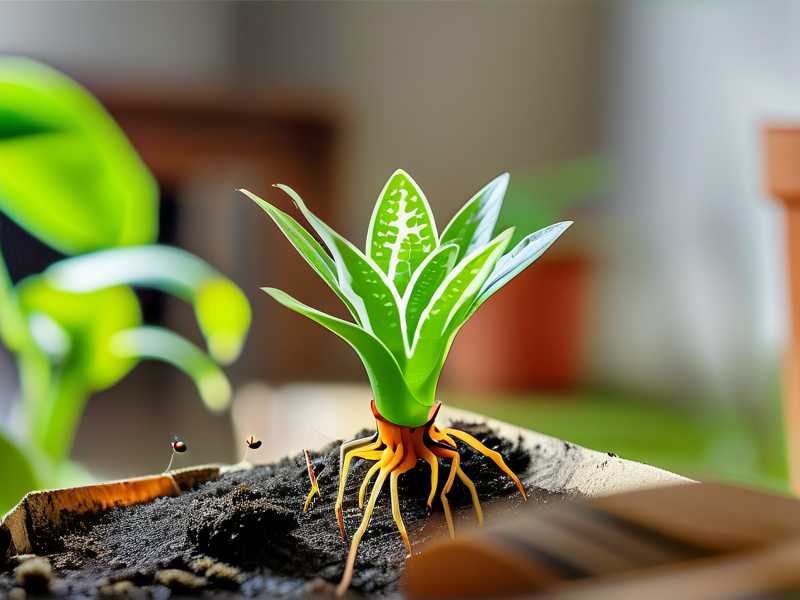
Day 14: I did a full root check. I gently slid the plant out of its pot. The roots were white and firm. No brown mush. No white cottony patches. No crawling specks. The two-week dry-down had broken the pest cycle.
So here's my takeaway: a biweekly deep dive—potato slice, sticky trap, root check—catches hidden pests before they explode. You don't need chemicals. You need consistency.
How to Build Your Own Inspection Calendar
I use a simple paper calendar. You can use your phone. Pick two days: a quick 5-minute check every week, and a 15-minute deep dive every two weeks. I do mine on Sundays and every other Wednesday.
Week 1: Quick check (chopstick, top inch, drainage holes).
Week 2: Quick check + Deep dive (potato slice for 24 hours, sticky trap, root check if suspicious).
Week 3: Quick check.
Week 4: Quick check + Deep dive.
Repeat. That's it. I also write one note each week: "dry" or "damp" or "saw a gnat." That log has saved me twice. When I saw two gnats in week 6, I knew to dry out the soil immediately.
Three Deadly Mistakes I Made (So You Don't Have To)
I killed three spider plants before I figured this out. Each one taught me a lesson.
Mistake 1: Overwatering. I used to water every Friday, no matter what. The soil stayed wet. Fungus gnats moved in. The roots rotted. I learned that spider plants prefer dry feet. Let the top inch dry out completely. In winter, I water every 10–14 days. In summer, every 7–10. But always check the soil first, not the calendar.
Mistake 2: Wrong light. I put one spider plant in a dark corner. It grew leggy and weak. Pests attacked it first because stressed plants send out weaker chemical defenses. Spider plants want bright, indirect light. A few feet from a south or east window is perfect. If the leaves fade or turn pale, move it closer.
Mistake 3: Wrong pot. I used a decorative pot with no drainage holes. Water sat at the bottom. That's a swamp. Root rot and soil pests thrive there. Now I only use pots with at least three drainage holes. I also add a layer of perlite or small stones at the bottom. That improves airflow and prevents sitting water.
I also tried cinnamon powder on the soil surface. It didn't kill larvae. I tried neem oil drenches. They worked a little, but they also stressed the plant. Honestly, the best fix is prevention: dry soil, good drainage, and a scheduled inspection.
What to Do If You Find Pests
Don't panic. I did, and I made it worse by repotting immediately into soggy soil. Here's what actually works.
First, isolate the plant. Move it away from your other houseplants. Pests spread fast.
Second, remove the top inch of soil. That's where most larvae and eggs live. Throw it away. Don't compost it.
Third, let the soil dry out completely. For fungus gnats, a three-day dry-down kills most larvae. For springtails, it helps too. For soil mealybugs, you'll need to do a full root wash. I use lukewarm water and a soft brush.
Fourth, if you see root damage, repot into fresh, dry-ish potting mix. Use a pot one size smaller if roots are damaged. I know that sounds counterintuitive, but it helps prevent overwatering.
Fifth, set a sticky trap for two weeks. Check it every other day. If you catch more than five adults, repeat the dry-down.
A Note on "Good" Soil Bugs
Not all soil life is bad. Springtails are actually harmless. They eat mold and decaying matter. I used to panic when I saw them. Now I just reduce watering. They disappear on their own. So before you reach for pesticides, identify the pest. A $10 hand lens from a garden center helps. Or take a photo and ask a local extension office.
My Current Routine (After 6 Months of Trial and Error)
I now have four spider plants. None have pests. Here's what I do every week:
Sunday: 5-minute quick check. Chopstick, top inch, drainage holes.
Every other Wednesday: Deep dive. Potato slice for 24 hours. Sticky trap check. If the soil smells sour, I dry it out for three extra days.
Once a month: I wipe the leaves with a damp cloth. This removes dust and lets me spot pests on the undersides. I also check the rim of the pot where soil meets plastic. That's a hiding spot for mealybugs.
Every season change: I do a full root check. I slide the plant out, look at the roots, and repot if needed. Spring is best. I use fresh mix with extra perlite.
That's it. No sprays. No expensive gadgets. Just a calendar, a chopstick, and a potato slice.
Frequently Asked Questions
How often should I check spider plant soil for pests? Every week for a quick check. Every two weeks for a deeper inspection. I use a potato slice and a sticky trap for the deep dive. That schedule catches pests before you see leaf damage.
What are the first signs of soil pests in spider plants? Look for tiny flying insects around the soil. Check for white cottony bits on the soil surface or roots. A sour smell from the pot is another clue. Also, if the soil stays damp longer than usual, that's a warning sign.
Can I use hydrogen peroxide to kill soil pests? I tried it once. A diluted mix (1 part 3% peroxide to 4 parts water) can kill larvae. But it also kills beneficial microbes. And it stressed my spider plant. I don't use it anymore. Dry-down and repotting work better for me.
So there you have it. A scheduled inspection is not glamorous. But it works. Start with a 5-minute weekly check. Add a biweekly deep dive. Watch your spider plant thrive. And remember: dry soil is your best friend. Wet soil is a pest party. You've got this.





