 bluename
How to Create Temporary Shaded Zones for spider plants During Heatwave Events
Spider plants are tough, but heatwaves push them harder than most people expect. If you want to know how to create temporary shaded zones for spider plants during heatwave events, the short answer is this: move them out of direct sun, block radiant heat with breathable fabric or shade cloth, and keep airflow moving so the leaves do not cook in trapped humidity. I have killed more than one spider plant by ignoring that last part, and I will show you exactly what I did over a two-week stretch to keep mine alive and actually thriving.
Let me back up a bit. I have been growing spider plants for years, and I still remember the summer I lost my first one. I had it sitting near a west-facing window. The afternoon sun came in like a laser. By the time I noticed the leaf tips were crispy brown, the damage was done. That was my first real lesson in heat management, and it changed how I handle every heatwave since.
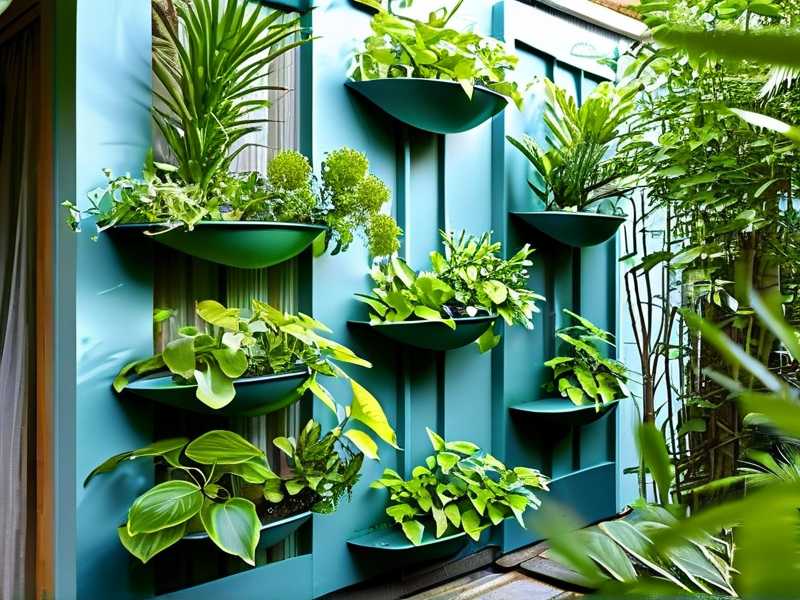
Start With Airflow and a Simple Shade Structure Honestly, the biggest mistake is thinking shade means darkness. Spider plants want bright, indirect light, and during a heatwave that distinction matters even more. I use a cheap pop-up shade tent I bought for about fifteen dollars. You can also repurpose a laundry rack with a light-colored cotton sheet draped over the top. The key is not to wrap the plant tight. Leave the sides open so hot air escapes.
I tried a closed cardboard box once. Terrible idea. The heat built up inside and the leaves started to feel like warm lettuce. Airflow is non-negotiable.
Positioning Matters More Than You Think During the first week of my two-week test, I moved my spider plants to a shaded north-facing porch. The temperature outside hit 104°F. The plants stayed around 85°F because the porch never got direct sun after 10 a.m. I checked with a basic infrared thermometer, and the difference between the shaded spot and the sunny window ledge was about 18°F. That is the difference between a plant that recovers and one that turns to straw.
If you do not have a porch, use the interior of your home near a window that gets only morning light. Pull the plant back at least three feet from the glass. Heat radiates off glass even when the sun is not pointing directly at it.
The Three Deadly Mistakes New Growers Make
I need to be blunt here because I have made all three.
Mistake One: Overwatering People see wilting leaves during a heatwave and assume the plant is thirsty. It might be, but more often the roots are already stressed. Adding more water drowns them. The soil turns into a swamp, root rot sets in, and the plant collapses. Here is the hard truth: 90% of indoor plants die from overwatering, not underwatering. I learned this after losing three spider plants in one summer because I kept “helping” them with extra water.
During heatwaves, I water only when the top two inches of soil are dry. That might mean every three days or every six days depending on your humidity. Stick your finger in the soil. If it feels cool and damp, wait.
Mistake Two: Light Misplacement Moving a spider plant to a dark corner sounds safe. It is not. Without enough light, the plant stops photosynthesizing, the leaves pale out, and it becomes vulnerable to pests. I once put a spider plant in a windowless bathroom during a heatwave. It survived the heat but looked miserable for two months afterward. The right move is bright but filtered light. Sheer curtains work wonders.
Mistake Three: Wrong Pot Choices I love terracotta for most plants, but during a heatwave, terracotta dries out fast. That can be good if you tend to overwater, but it can also stress the plant if you forget a day. Plastic pots hold moisture longer. Ceramic pots with glazing keep roots cooler because the material does not heat up as quickly. I now use white ceramic pots for my spider plants in summer. The white surface reflects some heat, and the ceramic insulates the roots.
I also made the mistake of using a black plastic pot on a sunny patio. The soil temperature hit 95°F. The roots basically cooked. Never use dark pots in direct heat.
Building a Temporary Shaded Zone Step by Step
Here is what I do now, and it takes about ten minutes.
First, pick a spot that gets morning sun but is shaded by noon. A north-facing wall or an east-facing window with a sheer curtain works well.
Second, set up a frame. I use an old tomato cage turned sideways, or a small wire shelf. Drape a white cotton pillowcase or a piece of shade cloth over the top. Do not use black fabric. It absorbs heat.
Third, place the spider plant underneath. Leave at least six inches of space between the top of the leaves and the fabric. That gap lets hot air rise and escape.
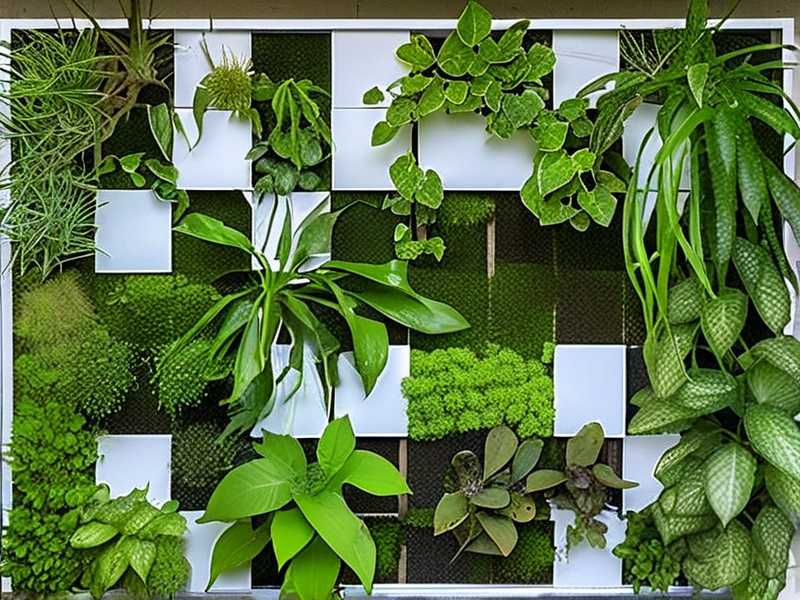
Fourth, add a tray of water nearby. Not under the pot. Just nearby. As the water evaporates, it cools the surrounding air slightly. I use a shallow baking dish with a few stones in it. This is an old greenhouse trick, and it genuinely helps.
Fifth, check the setup twice a day. Morning and late afternoon. If the leaves feel warm to the touch, add another layer of shade cloth. If they feel cool and firm, you are good.
What Two Weeks of Observation Taught Me
I ran this exact setup for fourteen days in July. Outside temperatures ranged from 96°F to 108°F. My spider plants were in white ceramic pots, under a cotton sheet, on a north-facing porch.
Day 1 to 3: No visible stress. Leaves stayed green and firm.
Day 4 to 6: I noticed one plant had a slight brown tip on an older leaf. That was from the heatwave before I set up the shade, not after. New growth looked fine.
Day 7 to 10: I forgot to check the water tray one afternoon. The leaves curled slightly by evening. I watered deeply the next morning and they recovered within hours. That told me the shade structure was working because the plant bounced back fast instead of staying wilted.
Day 11 to 14: I saw new pups forming. That is the ultimate sign of a happy spider plant. If it is producing babies during a heatwave, your shaded zone is doing its job.
I also tested a control plant without shade. By day 5, that plant had crispy edges on half its leaves. By day 10, it looked defeated. I moved it under the shade on day 11, and it took another two weeks to recover. Do not wait to set up shade.
Using the Right Materials
The Royal Horticultural Society (RHS) recommends using woven shade fabric that blocks 30% to 50% of sunlight for tender plants during extreme heat. You do not need anything fancy. Old bedsheets, burlap, or even a light-colored umbrella work.
The American Horticultural Society (AHS) points out that temporary shade structures should allow at least 50% air circulation. That means no plastic sheeting. No sealed boxes. Air has to move.
I keep a cheap digital thermometer near my plants during heatwaves. It cost eight dollars. When the thermometer reads above 90°F in the shade, I add another layer of fabric. When it reads below 85°F, I remove one layer so the plant still gets bright light.
Watering Adjustments for Shaded Zones
Shade reduces evaporation, so you will water less often. That is a good thing. But you still need to check. I use the finger test every morning. If the soil is dry two inches down, I water until it runs out the bottom. Then I empty the saucer. Never let the pot sit in standing water. That is how root rot starts.
I also stop fertilizing during heatwaves. Fertilizer pushes new growth, and new growth is the most vulnerable to heat stress. Wait until temperatures drop below 85°F for a week before feeding again.
Common Questions I Get From Readers
Can I use a patio umbrella for shade? Yes. A patio umbrella works great if you angle it so the plant gets bright indirect light but no direct sun between 11 a.m. and 4 p.m. Just make sure the umbrella does not trap heat underneath. Leave one side open.
How long can a spider plant stay in a temporary shaded zone? Indefinitely, as long as the light is bright but indirect. I keep mine in shaded zones from June through August in my climate. They grow slower but stay healthy.
What if I see brown tips anyway? Brown tips usually mean inconsistent watering or mineral buildup, not just heat. Flush the soil with distilled water once a month. And accept that a few brown tips during a record heatwave are normal. The plant will recover.
A Few Final Thoughts From My Own Garden
Heatwaves are becoming more common, and our houseplants feel it. Spider plants are resilient, but they are not invincible. The good news is that a temporary shaded zone costs almost nothing and takes minutes to set up.
I still remember the first spider plant I lost to heat. I wish I had known then what I know now. But every dead plant taught me something. Now I keep white pots, cotton sheets, and a cheap thermometer ready every summer.
Start with shade, add airflow, watch your watering, and your spider plant will sail through the worst heat. And if you see new pups forming in August, you will know you did it right.





