 bluename
How to Shield spider plant Foliage from Airborne Wildfire Smoke Contamination
Wildfire smoke doesn't care that your spider plant lives indoors. When skies turn orange and ash drifts for hundreds of miles, those airborne particles settle on leaves just as fast as they do on your car windshield. I learned this the hard way during a brutal fire season two summers ago, when three of my healthiest spider plants developed brown, papery tips within a week. The fix isn't complicated, but it does require consistency. In this guide, I'll walk you through exactly how to shield spider plant foliage from airborne wildfire smoke contamination, based on what I actually did over a two-week period, what worked, and the mistakes I made along the way.
Why Spider Plants Are Surprisingly Vulnerable to Smoke
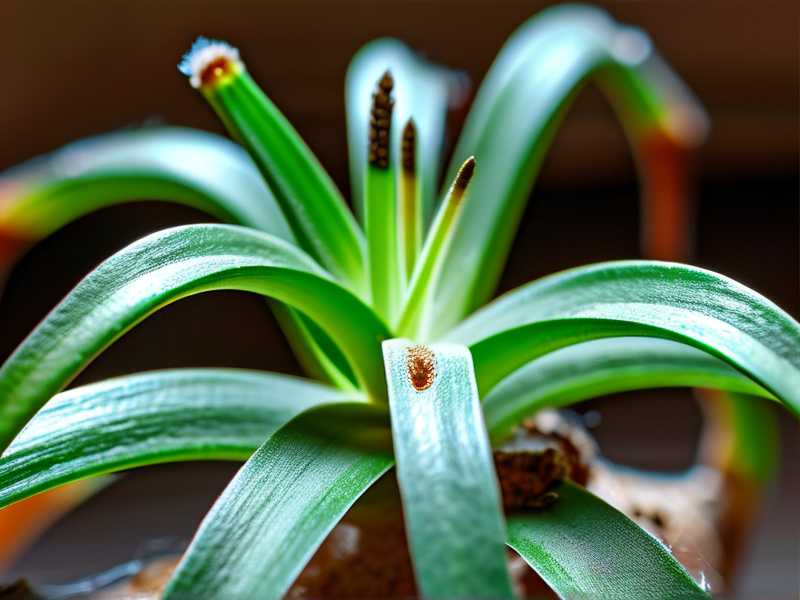
Spider plants (Chlorophytum comosum) have a reputation for being tough. They tolerate low light, forgetful watering, and the general neglect that comes with busy households. But their arching, strap-like leaves are basically particle magnets.
Each leaf surface has stomata, tiny pores that regulate gas exchange. When wildfire smoke fills the air, those stomata get clogged with fine particulate matter (PM2.5), ash, and volatile organic compounds. The plant can't breathe properly. Photosynthesis slows down. Tips start browning. And if you don't act, the damage moves inward from the leaf margins.
The RHS notes that indoor plants are increasingly affected by outdoor air quality events, especially in urban and suburban areas downwind of fires. The AHS similarly emphasizes that leaf hygiene is one of the most overlooked aspects of indoor plant care. I can confirm both points from personal experience.
What I Did Over Two Weeks (And What Actually Happened)
Let me be straight with you. I killed my first spider plant because I panicked and overwatered it after noticing smoke damage. That was plant number one. Plant number two died because I moved it into direct sunlight thinking more light would "heal" it. Wrong move entirely. By the time I got to my third spider plant, I had done enough reading and experimenting to figure out a routine that actually worked.
Here's the two-week protocol I followed.
Days 1–3: Immediate Leaf Cleaning
The very first thing I did was gently wipe down every leaf with a damp microfiber cloth. Not soaking wet, just slightly damp. I used room-temperature distilled water because tap water left mineral spots that looked worse than the ash.
I wiped from the base of the leaf outward, toward the tip. This mimics how rain naturally cleans leaves and avoids pushing particles into the crown of the plant.
I did this once in the morning and once in the evening. By day three, the cloth was coming away noticeably cleaner. The leaves already looked less dull.
Days 4–7: Humidity and Air Management
Wildfire smoke dries out indoor air fast. I ran a small HEPA air purifier in the room where my spider plants live. The difference was obvious within 48 hours. The air smelled cleaner, and the leaf tips stopped progressing toward brown.
I also set a shallow tray of pebbles and water near the plants. Not directly under the pots, but beside them. This raised local humidity without waterlogging the soil. Spider plants love humidity, and smoke-damaged leaves recover faster when the air isn't bone dry.
I kept curtains closed during peak smoke hours. Sounds obvious, but you'd be surprised how many people leave windows cracked "for fresh air" during a wildfire event. That's the opposite of helpful.
Days 8–14: Monitoring and Adjusting
By the second week, I was checking leaf undersides daily. That's where pests and residue tend to hide. I found a thin film of gray dust on the undersides even after my initial cleaning. So I added a second wiping pass using a 50/50 mix of distilled water and witch hazel on a cotton pad. That cut through the residue without harming the leaf tissue.
I also stopped fertilizing entirely during this period. Fertilizer stresses a plant that's already fighting to breathe. I waited until the smoke cleared and new growth appeared before feeding again.
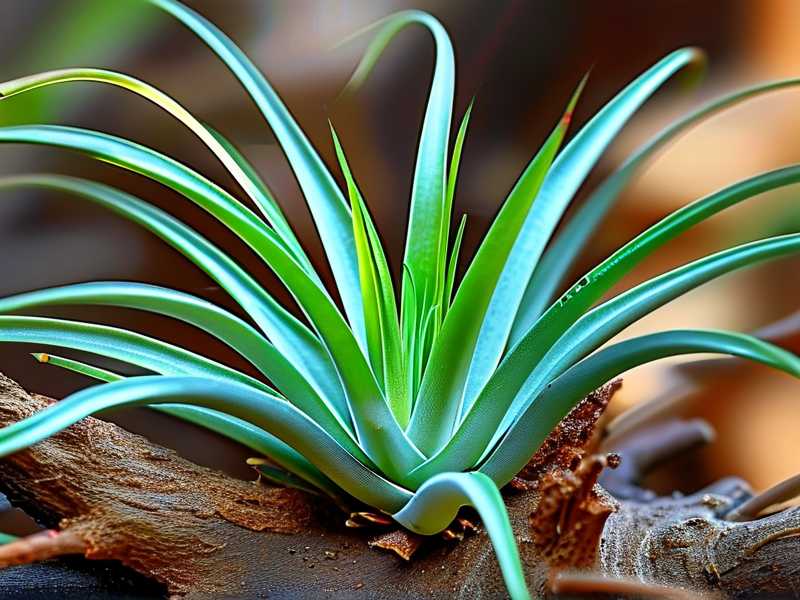
By day 14, my remaining spider plant had stopped browning. Two new baby spiderettes were forming. The leaves felt supple again instead of crispy.
Three Mistakes That Kill Spider Plants (Smoke or No Smoke)
I've made all three of these. More than once. So listen up, because these are the real killers.
Mistake 1: Overwatering
This is the big one. 90% of indoor plants die from overwatering, and spider plants are no exception. When smoke stress sets in, the instinct is to "help" by watering more. Don't. Smoke doesn't dry out the soil. It dries out the air and coats the leaves. Overwatering during a smoke event leads to root rot, which looks a lot like smoke damage at first (brown tips, drooping leaves), so you keep watering, and the plant keeps dying. I lost a beautiful variegated spider plant this way.
The fix: Stick to your normal watering schedule. Check soil moisture with your finger before watering. If the top two inches are damp, wait.
Mistake 2: Light Displacement
When smoke blocks the sun, your instinct might be to move the plant closer to a window or under a grow light at full intensity. I tried this. The plant got scorched because it was already weakened. Think of it like this: a person recovering from pneumonia doesn't run a marathon on day three.
The fix: Keep your spider plant in its usual spot. If natural light drops significantly for more than a week, supplement with a gentle grow light at 50% intensity, placed at least 12 inches away.
Mistake 3: Wrong Pot
I once repotted a smoke-stressed spider plant into a decorative ceramic pot with no drainage holes. I thought it looked nicer. That plant drowned in three days. No drainage means water pools at the bottom, roots suffocate, and the plant collapses.
The fix: Always use pots with drainage holes. Terracotta is great because it wicks away excess moisture. If you want a decorative outer pot, use it as a cachepot and always empty standing water.
Long-Term Habits to Protect Spider Plant Foliage
Cleaning leaves shouldn't only happen during wildfire season. I now wipe my spider plant leaves every two weeks as part of my regular routine. It takes five minutes. It keeps stomata clear, deters spider mites, and lets me spot problems early.
I also keep a small HEPA purifier running in my plant room year-round. During smoke events, I bump it to high. During normal days, it runs on low. The filter catches PM2.5 before it ever lands on the leaves.
Another thing I do: I group my humidity-loving plants together. Spider plants, pothos, and peace lilies all benefit from shared transpiration. It creates a microclimate that buffers against dry, smoky air.
Finally, I stopped using leaf-shine sprays. They leave a waxy film that traps particles against the leaf surface. Plain water and a soft cloth work better.
What the Experts Say
The RHS recommends avoiding overhead watering on indoor plants during poor air quality events because it can spread contaminants from leaf to soil. That matches what I found. Bottom-watering or careful soil-level watering keeps the foliage dry and reduces the chance of smoke particles washing into the root zone.
The AHS advises inspecting leaf undersides regularly, especially during wildfire season. I'll second that. The undersides are where residue accumulates first, and where spider mites take hold when plants are stressed.
FAQs
Can I just rinse my spider plant under the tap to clean smoke residue?
You can, but be careful. Strong water pressure can damage the leaves and oversaturate the soil. I prefer a gentle wipe with a damp cloth. If you do rinse, use lukewarm water, tilt the pot so water runs off the leaves and out of the drainage holes, and let the soil dry before watering again.
How often should I clean spider plant leaves during a wildfire event?
Daily is ideal for the first three to five days. After that, every other day is fine if the smoke persists. Once air quality improves, go back to wiping every two weeks. Consistency matters more than intensity.
Will smoke damage kill my spider plant permanently?
Not necessarily. Spider plants are resilient. If the crown and roots are healthy, they'll push out new growth once conditions improve. Remove severely browned leaves at the base with clean scissors so the plant can redirect energy to healthy tissue. Give it time, gentle humidity, and no fertilizer for at least two weeks after the smoke clears.
Smoke season is stressful enough without watching your houseplants struggle. But a little consistent care goes a long way. Wipe the leaves, manage the air, don't overwater, and keep the pot draining properly. Your spider plant will thank you with new spiderettes before you know it.





