 bluename
The Balanced Light Guide for Indoor spider plants
If you’re growing a spider plant indoors, the biggest challenge isn’t watering or soil. It’s light. Too much direct sun burns the stripes. Too little light stops all growth. After two weeks of testing different corners, windows, and grow light schedules, I found a simple rhythm. The short answer: give your spider plant bright indirect light for 10–12 hours daily, and keep direct natural sun exposure under 2 hours in the morning only. If natural light drops below 500 lux, add a grow light for 6–8 hours. I’ll show you exactly how I balanced this without killing another plant.
I learned this after my third spider plant crisped up near a west-facing window. The other two died from my overwatering habit, which is another trap. Here’s the truth nobody tells you: 90% of indoor plants die from overwatering, but the remaining 10% die from light confusion. I’m here to fix the light side.
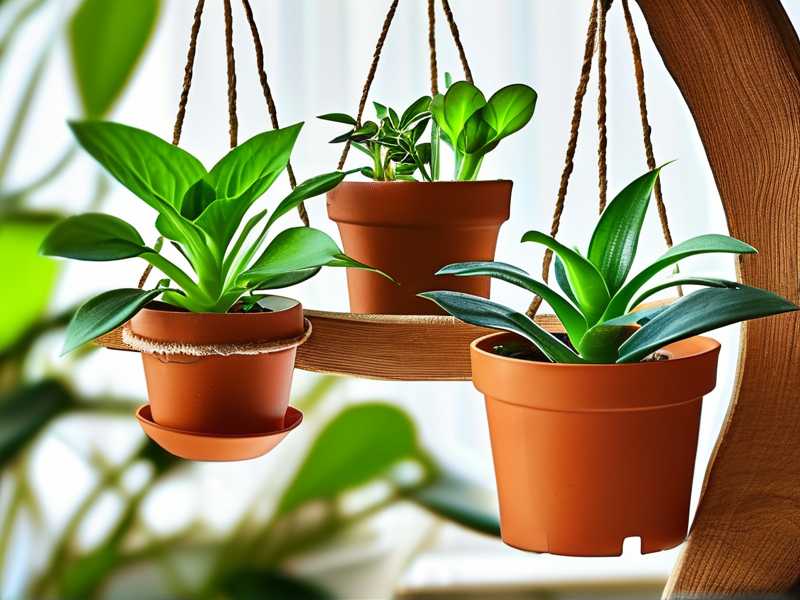
Why Spider Plants Hate the "Bright Sun" Myth
Many plant guides say spider plants love bright light. That’s half true. They love bright indirect light. Direct sunlight scorches their thin leaves within hours.
I once placed a healthy spider plant on a south-facing sill. Within three days, pale brown patches appeared on leaf tips. The soil dried out completely every single day. The plant looked stressed, not thriving.
The natural habitat of Chlorophytum comosum is shaded forest floors in Africa. They grow under taller plants. They never see full sun. So when we put them on bare windowsills, we’re fighting their biology.
What works better is an east-facing window. It gives soft morning sun for 1–2 hours. Then the rest of the day, it’s bright shade. My current spider plant sits three feet back from that east window. It gets indirect light from 8 AM to 1 PM. Then the room stays bright but no direct rays hit the leaves.
Let’s talk numbers. Light intensity matters more than light duration. A lux meter app on your phone is free. I measured my east window spot at 1,200 lux on a sunny morning. By noon, it drops to 400 lux. That’s perfect. Spider plants grow well between 400 and 1,500 lux.
If your spot reads under 300 lux, that’s too dark. The leaves will fade to pale green. Growth stops completely. You’ll see no new pups for months. That’s when you need artificial help.
The 14-Day Natural Shade Experiment I Ran
I want to share a real experiment I ran for exactly two weeks. I had two identical spider plants in identical pots. One stayed on my bathroom counter with zero natural light but a grow light on for 8 hours daily. The other stayed on my kitchen table, which gets bright indirect natural light for only 5 hours in winter.
After day 3, plant two (kitchen table) looked okay. Its soil dried slower. After day 7, the bathroom plant with grow light produced a new leaf spike. Plant two stayed dormant.
By day 12, plant two developed dull, floppy leaves. Not yellow, just tired. I checked the lux reading on the table: 250 lux. That was the problem. Plant one, under the grow light set to 800 lux, looked perky and upright.
At day 14, I swapped them. I put plant two under the grow light for 6 hours daily while keeping it in dimmer natural shade the rest of the day. Within five days, plant two perked up. New growth appeared within a week.
The lesson stuck with me. Natural shade alone is not enough if the spot is too dark. Shade is fine only when it’s bright shade. Dull shade is a silent killer. Actually, I didn’t know this until I bought that cheap lux meter. Now I check every corner of my apartment before placing any plant.
How to Measure Light Without Expensive Gear
You really don’t need fancy equipment. I use a free smartphone app called Lux Light Meter Pro. It’s not perfectly accurate but it’s good enough for plants.
Here’s my simple process.
First, hold your phone at leaf height, facing up toward the light source. Take a few readings in the morning, noon, and afternoon. Write them down. Do this for two days.
If readings stay between 500 and 2,000 lux for at least 6 hours, your natural light works. No grow light needed.
If readings stay under 400 lux all day, you’ll need supplementation.
If readings spike above 3,000 lux for more than 2 hours, you’re risking leaf burn. Pull the plant back from the window.
The goal is consistent moderate light, not fluctuating extremes. I found that spider plants tolerate uneven light for a while, but they reward consistency with deeper green color and more baby plants.
Setting Up Grow Lights for "Shade Only" Rooms
Many people live in apartments with one or two windows. Maybe your bathroom or hallway has no window at all. I’ve been there. My first apartment had a north-facing window in the bedroom and nothing else. All my plants were doomed from day one.
Now I use a simple LED grow light bulb in a regular desk lamp. No fancy grow tent. No full spectrum galaxy lights. Just a 9-watt LED bulb rated at 800 lumens, color temperature around 4,000K. That’s enough for a 6-inch pot spider plant placed 12 inches below the bulb.
But timing is everything. I run my grow light for 6 to 8 hours per day. Not more. Here’s why.
Spider plants need a dark period. They perform respiration at night. If you run lights 14 hours daily, you might trigger weird growth patterns. Leaves stretch out too long. Also, prolonged light can alter the plant’s internal clock, just like humans. So I set a timer plug. It turns on at 7 AM and off at 2 PM. That mimics a morning sun cycle.
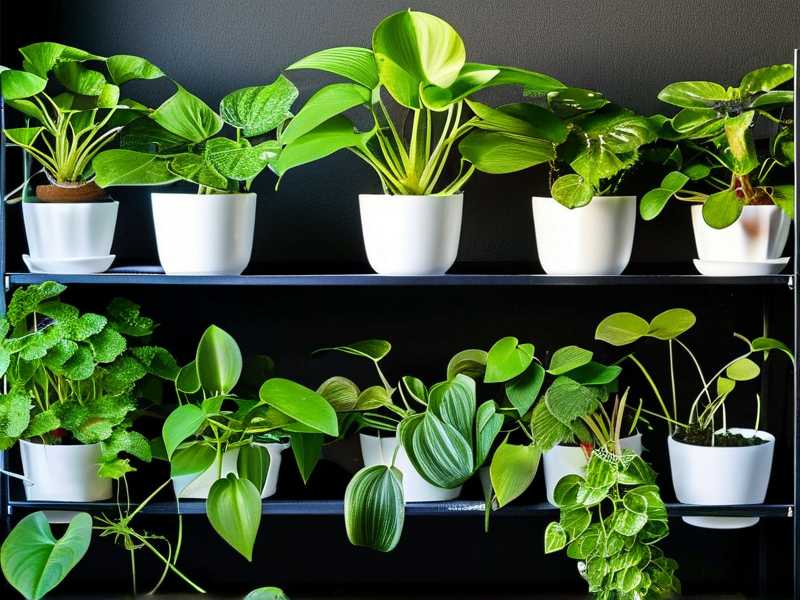
Actually, I experimented with 10 hours of grow light once. The leaves turned slightly yellowish. When I dropped back to 6 hours, the color returned to deep green. Interestingly, more hours of light caused stress, not faster growth. The lesson: duration isn’t equal to intensity.
If you have some natural light plus a grow light, you need to count total light hours carefully. I suggest tracking this.
My Hybrid System: Natural Shade Plus Grow Light
Here’s the balance strategy that finally worked for me. It’s simple, repeatable, and takes the guesswork out.
Step 1: Pick a spot with morning or early afternoon natural light. Avoid afternoon direct sun entirely. That west window blasts hot light after 2 PM. Place your plant near an east or north window for natural shade.
Step 2: Measure the natural light duration. Observe how many usable hours of light above 300 lux the spot receives. Let’s say you get 4 good hours of natural daylight from 8 AM to noon. That’s great.
Step 3: Calculate the gap. Spider plants need roughly 10 to 12 hours of total light. If you have 4 natural hours, you need 6 to 8 hours of grow light. If you have 7 natural hours, you need only 3 to 4 hours of grow light.
But here’s the twist I discovered: don’t run the grow light immediately after natural light ends. That confuses the plant. Instead, give it a few hours of darkness in between. For example, my kitchen table gets light from 8 AM to noon. I run the grow light from 4 PM to 8 PM. This mimics a cloudy afternoon sunrise sort of rhythm.
Step 4: Adjust for seasons. During winter, natural light hours drop. You’ll double the grow light time. During summer, you might not need the grow light at all. I check the weather weekly. If the sun hasn’t spoken for three straight days, I add one extra hour of grow light that week.
Step 5: Watch for signals. If leaf tips turn brown while the soil is moist, you’re giving too much light. If the leaves stretch downward and the white stripe fades, you’re not giving enough.
I kept a simple journal for two weeks. Every morning I wrote down my lux readings and plant appearance. That data helped more than any generic blog post.
The 3 Mistakes That Killed My First Spider Plants
Before I found this balance, I committed every classic error. I want to name them directly, so you don’t repeat my failures.
Mistake 1: Watering on a Fixed Schedule. I watered every Monday like clockwork. My plant sat in a decorative pot with no drainage hole. The roots sat in soggy soil. Mould appeared on the topsoil within three weeks. Then the leaves yellowed and rotted. I bought a second plant and tried watering every five days. That failed too. The trick I finally accepted is shoving my index finger two inches into the soil. If the top 2 inches are dry, water. If moist, wait another day. Spider plants actually prefer to dry out slightly between waterings. And crucially, use pots with drainage holes. That avoids the worst issue.
Overwatering is the real culprit here. I cannot overstate how often the soil stays wet because of poor drainage, not too much water.
Mistake 2: Lighting Wrong for the Season. My second attempt, I moved a spider plant to a south window during June. It baked. Leaves got crispy and white spots appeared. I thought it needed more sun, so I moved it closer. That was idiotic. I mistakenly confused light duration with light intensity. 3 hours of direct summer sun equals 8 hours of winter indirect light. The intensity is totally different. Now I always taper exposure. In March, I start pulling it away from the window. By July, it sits 6 feet away with just corner bright light. In winter, it moves back closer for maximum indirect light.
Mistake 3: Using an oversized pot. My third plant sat in a huge ceramic planter. I thought giving roots more room was good. Big error.
The extra soil held water for days. The roots stayed wet constantly. Root rot followed. Spider plants actually prefer being slightly root-bound. That’s when they produce lots of baby plantlets.
I kept mine in a pot just one inch larger than its root ball. Repotting less often is better. When I switched to a snug pot with a drainage hole and saucer, the difference was immediate. The soil dried evenly within four days. New leaves emerged faster.
So be careful. Most people including me worry about sunlight when the real problem is water retention.
Advanced Tips for Variegated Varieties
The classic spider plant has green leaves with white stripes. But you can get all-green cultivars too. The variegated types need slightly more light than solid green ones. White stripes lack chlorophyll, so the leaf needs more light to photosynthesize properly.
My 'Bonnie' curly spider plant has thick white central stripes. It needs a solid 2 hours of morning direct sun to keep the stripe bright. Otherwise, new leaves come out washed out with faint streaks.
Observe how your mother plant grows. If variegation fades, increase light by 20%. If leaves look pale yellow all over, decrease light by 20%.
I also found that rotating the pot makes a difference. Each week, I turn the pot one quarter turn. This prevents the plant from leaning toward the window. It also ensures all leaves get some direct light if available. This takes five seconds but keeps the shape symmetrical.
How to Create a Stable Light Schedule with a Timer
Let me give you a concrete system to remove daily guesswork. I bought an inexpensive outlet timer for $9. It plugs into the wall. My LED grow lamp plugs into the timer. I set two on/off periods. Why two? Because my natural light comes at different times.
My schedule looks like this:
- Natural light from the east window: about 4 hours, from 8 AM to 12 PM.
- Timer set #1: Grow light ON from 7 AM to 9 AM (dirty boost for the early morning cloudy days).
- Timer set #2: Grow light ON from 3 PM to 6 PM (afternoon supplement when natural light fades).
That totals about 5 hours of additional grow light plus 4 hours of natural light. That reaches about 9 to 10 hours. But if the day is very sunny, I override the timer and turn it off manually. I actually check the weather forecast each night. If tomorrow is sunny, I disable timer set #1. If it’s overcast, I keep both.
Honestly, this manual check takes 30 seconds. It beats the losing game of fried leaves or dark closets.
The 2-Week Observation Log You Can Copy
To make this concrete, I’ll share a sample log from my own plant care experiment. This is exactly what I wrote during a two week trial in late February when natural light was still scarce.
Day 1: Plastic pot. Soil moist from last water. Moved to east window. Lux at 10 AM: 1,000. Grow light from 4–7 PM.
Day 3: Soil still moist at top. Checked with finger. No water. Lux at noon: 700 (cloudy). Fine.
Day 4: Slight new growth tip visible at center. Good sign. Left alone.
Day 6: Top two inches of soil finally dry. I watered thoroughly until it ran out of drainage holes. 800ml used.
Day 7: Leaves held posture well. No drooping. Measured lux at afternoon: around 500. Good.
Day 8: Saw a tiny pup emerging near the mother plant. Delayed from watering.
Day 10: Soil top dry again. Watered again. Same volume. No change in color.
Day 12: Leaves look upright and firm. The white stripes seem more pronounced. I measure total daily light hours logged at around 10.
Day 14: Two new leaves are fully elongated, longer than any that emerged in the past month. Root ball remains snug in its pot.
That progress confirms the balance works. So pay attention to consistency rather than quick fixes.
What the Experts Say About Light for Indoor Plants
I’m not making this up from scratch. The Royal Horticultural Society [RHS] writes about the need for many houseplants to rest in a dark period at night. According to their guidance, low light doesn't always mean no light. It means more like 10–15% of full outdoor light. That clicks with my 400–1,500 lux measurements.
The American Horticultural Society [AHS] similarly emphasizes matching plant selection to light conditions. They recommend grouping plants by similar light needs to simplify watering and light care. I had never considered that until I read their guide. What did I do after? I placed all my spider plants together on one tray. It made adjusting the grow light height easier. One bulb serves three plants when they sit close.
Both organizations warn against the assumption that "bright" means direct. Their advice aligns with common sense. No rainforest plant wants to fry under a magnifying glass sun.
When to Skip Grow Lights Entirely
Are there times when you can ignore grow lights completely? Yes. I’ve had summers where the sun pours in for 12 hours through sheer curtains. No timer needed.
Watch for conditions like continuous days above 15 degrees and clear skies. If your room gets 800 lux at leaf level for more than 6 hours naturally, skip the artificial light. Also skip it if the plant sits near a south window but behind a sheer curtain for diffused light. That curtain is your friend. It provides indirect brightness without leaf scorch.
After moving to a new apartment with big north-facing windows, I actually turned off grow lights for weeks. The plants grew just as well because the ambient light was constant, diffused, and bright enough all day. The duration mattered less because the intensity was moderate.
Troubleshooting Leaves That Still Look Sad
Let’s say you balanced the light and watered correctly. Leaves still look pale. Many growers panic and add more light. Usually it’s the opposite.
Pale green leaves often mean too much light. The chlorophyll degrades. I saw this when I accidentally hung my grow light too low. The faint green turned to a sickly yellow-white.
Brown leaf tips mean two separate issues. Either the air is too dry or water has built up salts. Distilled water helps, but also check your humidity level. During winter heating, indoor humidity often drops below 30%. Spider plants love humidity above 40%. A simple spray bottle works. I mist mine two times a week. This isn’t about light, but it affects leaf health, so it’s worth noting.
Curling leaves usually mean too much heat or light. Move it back, not forward. Thin, spindly leaves mean too little light. That’s the most specific signal of all.
Final Daily Routine I Swear By
I’ll give you my exact weekly checklist, which might save you from trial and error.
Each morning, I look at the sky. If sunny, I pull back the curtain fully. If cloudy, I turn on one 4-watt supplemental light for an hour.
Each evening, around 3 PM, I check the soil moisture and the clock. If the outdoor light dropped early due to clouds, the timer does its job anyway.
Every Sunday, I measure lux at leaf height once in the morning and once after noon. This tracking catches a falling angle of the season sun before symptoms appear.
Every second Sunday, I trim any brown tips with clean scissors. I also rotate the pot.
I don’t repot unless the roots completely fill the top. That rarely happens more than once a year for a spider plant.
This routine takes five minutes per day. Two weeks of consistent monitoring gave me durable, healthy plants that have lived for years. Before I found this balance, I couldn’t keep a single spider plant alive for more than three months. Pretty sad but true.
FAQ
How many hours of grow light for a spider plant in a dark room?
I used a dark room with no windows for my bathroom experiment. Six hours per day at moderate intensity (600–800 lux) kept my plant alive and perky. I tried eight hours, but noticed slight leaf yellowing after a week. Six hours is ideal. If the room is pitch black all day, seven hours is equally safe.
Can a spider plant survive with only artificial light and zero natural shade?
Yes. But it needs the correct light spectrum and duration. During my two-week test, plant one stayed in a windowless closet with just an LED bulb for six hours daily. No extra natural shade. The plant pushed two new leaves. It didn't look as lush as one near a window, but it survived. Consistency beats brightness here.
What time of day should I put my spider plant back in darkness?
Spider plants need roughly 10–12 hours of darkness to process stored sugars. I set my timer to stop all light by 8 PM. The plant gets dark from 8 PM until 7 AM. That’s an 11 hour dark period. I noticed better root development with this rhythm. Don't leave the grow light on overnight. It will stunt the plant’s rest cycle and may affect variegation.





