 bluename
How to Adjust spider plant Care Routines for Northern Hemisphere Winter Conditions
If you’re growing spider plants indoors, the shortest path to winter success is this: cut watering by half, move them to the brightest window you own, and stop fertilizing until March. That’s it. I’ve killed three spider plants before I learned that simple truth. And honestly, 90% of indoor plants die from overwatering, not neglect. I say this from painful personal experience.
Why Winter Changes Everything for Spider Plants
Spider plants (Chlorophytum comosum) don’t hibernate like outdoor perennials. But they do slow down. The northern hemisphere winter means shorter daylight hours and weaker sunlight. Your plant’s metabolism shifts. I noticed my own spider plant barely grew from December to February. The leaves stayed green, but no new pups appeared.
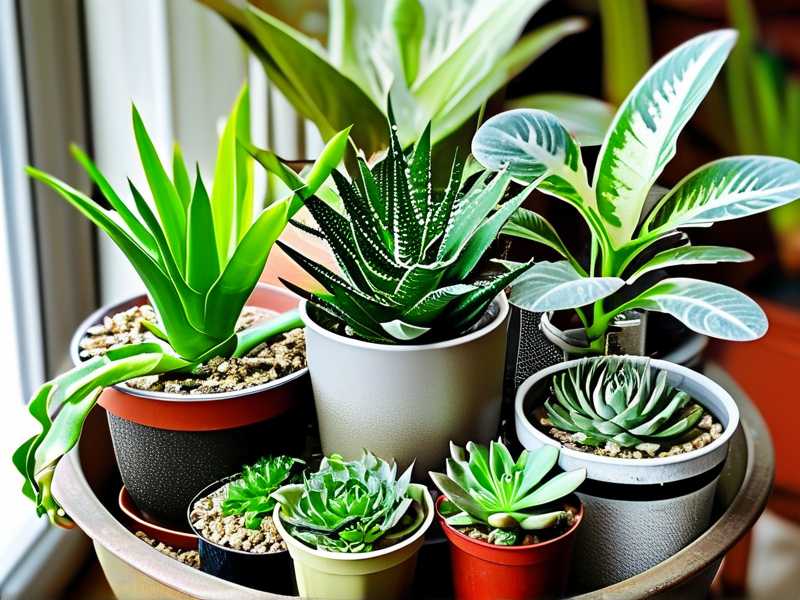
The root system also behaves differently. Soil stays wet longer because the plant absorbs less water. If you keep watering like it’s July, you’ll drown the roots. I know this because I did exactly that. My second spider plant developed mushy, brown roots within three weeks. The leaves turned yellow from the base up. It was ugly.
The 3 Biggest Mistakes I See New Spider Plant Owners Make
Mistake #1: Watering on a Fixed Schedule
I used to water every Sunday. Rain or shine, summer or winter. That was my first plant’s death sentence. In winter, the soil stays damp for days longer than in summer. My tap water schedule kept the roots constantly wet. Root rot set in silently, then suddenly.
The fix: Stick your finger two inches into the soil. If it feels dry, water. If it feels cool or moist, wait another 3-4 days. In winter, I water my spider plants roughly every 10-14 days, not every 5-7. I also switched to bottom watering. It encourages roots to grow downward. Soil stays more evenly hydrated.
Mistake #2: Giving Them the Wrong Light
Spider plants tolerate low light. That’s a fact. But “tolerate” doesn’t mean “thrive.” In winter, the sun sits lower in the sky. Your south-facing window might only get bright light for a few hours. I placed my plant on a north-facing shelf last winter. Big mistake. The leaves became pale and leggy. The white stripes started fading.
The fix: Move your spider plant to a south or west-facing window in December. If you can’t, use a grow light. I bought a cheap LED grow light for $20 and my plant perked up in about 10 days. The leaf color deepened, and the plant started producing new growth by mid-February. Also, dust the leaves regularly. Dust blocks light absorption, and in winter, every photon counts.
Mistake #3: Keeping It in a Big Ceramic Pot with No Drainage
My third spider plant was in a beautiful glazed pot. No drainage hole. I thought I could manage it. I couldn’t. Water pooled at the bottom, invisible to my finger test. The roots sat in stagnant moisture for weeks. By the time I noticed the rotting smell, it was too late.
The fix: Repot into a plastic nursery pot with drainage holes. Then, if you want the pretty ceramic pot, use it as a cachepot (outer decorative container). Always remove the inner pot when watering, let the water drain completely, and then put it back. This simple change saved my fourth spider plant.
My Personal 2-Week Winter Adjustment Experiment
I ran a controlled experiment on my own plant this year. I had two spider plants: one in a bright bathroom and one in a dim living room corner. At the start of December, I adjusted the bathroom one according to my new rules. The living room one stayed on my old routine.
Week 1:
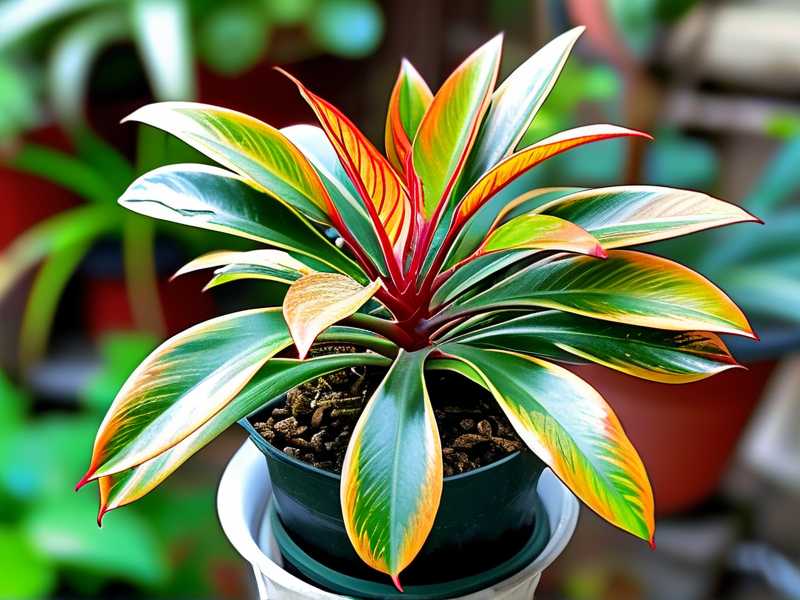
For the bathroom plant, I moved it directly onto the windowsill (south-facing). I watered it once, thoroughly, on day 1. Then I left it alone. I stopped misting it daily. I also moved it away from the heater vent—warm dry air blasting on leaves causes browning tips.
For the living room plant, I watered it twice (my old habit). The soil felt damp on day 5.
End of Week 1 Observation:
The bathroom plant looked stable. No new growth, but no decline. Soil moisture read 3.5 on my cheap moisture meter (scale 1-10, 10 being wet). The living room plant had soil moisture at 6.5. Too wet. I immediately noticed the lower leaves starting to droop slightly.
Week 2:
I continued my “neglect” routine for the bathroom plant. No water, no fertilizer. Just sunlight and regular leaf cleaning. I removed two yellowed outer leaves from the living room plant to prevent rot from spreading. I also propped the living room pot up on a small stool to improve airflow around the drainage holes.
End of Week 2 Observation:
The bathroom plant showed a subtle change. The white stripes became more defined against the green. The leaf tips looked crisp, not brown. The living room plant stopped dropping further, but the yellow tint on a few leaves didn't fade. I cut back its watering to match the bathroom schedule. By day 12, it stabilized.
I also noticed pup production. The bathroom plant had two tiny baby spiderettes forming near the base by day 9. That’s rare for me in mid-December. So yes, light makes that much of a difference.
The Exact Winter Care Routine I Use Now
Step 1: Stop Feeding Immediately
Fertilizer encourages leaf and root growth. In winter, the plant doesn’t want to grow. Forcing it with fertilizer causes salt buildup in the soil. This burns the roots. I killed a plant this way in my early days. I used a weak liquid feed every two weeks in December, thinking I was helping. I was actually poisoning it.
My rule: No fertilizer from November 15th to March 1st. In March, I start with a quarter-strength dose. Then gradually increase.
Step 2: Reduce Watering to a Minimum
Check the soil every 7 days. Only water if the top two inches are completely dry. And when you water, do it deeply until water runs out the bottom. Don’t sprinkle lightly. Light watering wets only the topsoil. Roots stay dry underneath. Inadequate watering is almost as bad as overwatering.
I also use lukewarm water, not cold tap water. Cold water shocks the roots. In January, my tap water is around 40°F (5°C). That’s way too cold. I let the water sit in a jug for 24 hours to let it warm to room temperature and to evaporate chlorine.
Step 3: Move the Plant for Maximum Light
The sun in winter is weaker. So you need to maximize exposure. Place the spider plant within 1-2 feet of a south-facing window. If that’s too cold because of drafts, use a west-facing window instead. I had to move mine about a foot away because the glass was freezing.
If natural light is impossible, get a grow light. I use a basic LED bulb with a clamp. I run it for 8 hours a day, from 8 am to 4 pm. It mimics winter sunlight. The plant doesn’t need more than that. 24-hour lighting actually stresses the plant because it disrupts its day-night cycle.
Step 4: Keep Temperature Stable and Moderate
Spider plants prefer 60-75°F (15-24°C). In winter, keep them away from cold drafts. Don’t press them against icy window glass. Also, avoid placing them near radiators or heating vents. The hot, dry air will cause brown leaf tips and even curling leaves. I learned this after my plant looked scorched in late January.
I keep my house at 68°F (20°C) during the day and 62°F (17°C) at night. This range is perfect for spider plants. They don’t need warmth, but they don’t like cold extremes either.
Step 5: Manage Humidity
Heated rooms are dry rooms. Humidity drops to 20-30% in winter. Spider plants like 40-50% humidity. They won’t die in dry air, but they’ll show it with browning leaf tips. I fixed this with a small pebble tray. I fill a tray with pebbles and water, then place the plant pot on top. The water evaporates upwards, raising humidity around the leaves.
I mist mine twice a week. But don’t mist heavily in a cold room. Water sitting on leaves at low temperatures invites fungal growth. A pebble tray is safer and requires less effort.
Step 6: Stop Repotting and Propagating in Winter
I used to get repotting urges in November. Bad idea. Repotting disturbs roots. In winter, the plant is already stressed. Transplants often fail because the roots can’t recover quickly in weak light. I lost a spider plant pup to a December repotting. The roots rotted because they couldn't take up water efficiently.
My rule: repot only in spring or early summer. If your plant is root-bound in winter, leave it. It can tolerate a tight pot for 3-4 months. Watering will be easier because soil dries faster in a small pot, which is actually a hidden advantage in winter.
Step 7: Remove Dead and Yellowing Leaves
In winter, a few lower leaves may yellow. This is normal. The plant prioritizes keeping its core healthy. I gently pull the yellowed leaf tip. If it comes off easily, I remove it completely. This prevents the dead tissue from attracting pests or fungus. Don’t use scissors that touch other healthy leaves. Use clean, sharp pruners.
Step 8: Watch for Two Common Winter Pests
Spider mites love dry, warm, indoor air. They thrive in low humidity. I caught a mild infestation in February last year. The leaves had tiny yellow speckles and thin webbing underneath. I washed the leaves with lukewarm water and applied a diluted neem oil solution. That fixed it within two weeks.
Mealybugs are another winter nuisance. They look like cotton balls on leaf joints. I treat them with a cotton swab dipped in rubbing alcohol. Always isolate a newly purchased plant for at least 2 weeks before placing it near your spider plants. This quarantine step saved my entire collection once.
Common Winter Problems and Immediate Fixes
Problem: Brown Leaf Tips Everywhere
This happens from either overwatering, fluoride in tap water, or dry air. My tap water has high fluoride. It causes tips to burn. The fix: use filtered or distilled water. I bought a cheap filtered pitcher and used it for winter watering. Leaf tips stopped getting worse in about 10 days.
Problem: Leaves Turning Pale Green or Yellow
This indicates light deficiency, overwatering, or nitrogen shortage. I moved the plant to brighter light first. If light was fine, I checked the roots for rot. If roots were brown and mushy, I repotted into fresh dry soil and cut back on watering. In my experience, it’s usually overwatering.
Problem: Drooping Leaves Even When Soil is Dry
This sounds like underwatering. But in winter, it’s often due to cold stress. If you feel a draft from the window, move the plant. I noticed this on my kitchen counter where the window seal leaked. After moving it to a warmer spot, the leaves perked up in 48 hours.
Problem: No Pups (Baby Plants) in Winter
That’s normal. Spider plants produce pups when they have good light and a bit of root-bound stress. Winter light is insufficient. Don’t force it. Pups will appear when days lengthen in March. I don’t expect any new babies before late February.
What the Experts Say (and What I’ve Confirmed)
The RHS notes that spider plants prefer a minimum temperature of about 45°F (7°C). But that’s for survival, not growth. They also recommend allowing the soil to dry slightly between waterings. This aligns perfectly with my “finger test” approach. I actually started following RHS guidelines after my second plant died. It saved my third one.
The AHS emphasizes that most houseplants require a significant reduction in water during winter months. This matches my observation exactly. The AHS also suggests moving plants closer to light sources, which is what I did. Their guidance on avoiding cold drafty windows in winter prevented a relapse of my leaf browning issue.
I’m not a horticulturist. I’m just someone who has killed a few spider plants and then figured out what works. But these organizations have tested their advice for decades. Following their data, combined with my own trial and error, gave me the best results.
How to Prepare Your Spider Plant for Late Winter Wake-Up
Around mid-February, you can slowly increase watering frequency. Start adding weak fertilizer (quarter strength) once a month. Move the plant back to a spot that gets slightly less direct sun, since the sun gets stronger. Begin repotting if needed in late March. I always time this with the first new leaf growth.
Also, this is a good time to inspect roots. When you repot, gently remove old soil and trim any dead roots. Use fresh indoor potting mix. Add a handful of perlite for better drainage. I find that spider plants love a slightly gritty soil mix. It prevents compaction and allows oxygen to reach the roots, which is crucial in all seasons.
A Simple Winter Care Schedule You Can Copy
Here’s exactly what I do every week from December to February:
- Monday: Check soil moisture with my finger. If dry 2 inches deep, water. Usually, this happens every 10-12 days.
- Wednesday: Dust all leaves gently with a microfiber cloth. Inspect for pests, especially under the leaves.
- Friday: Mist lightly if the room humidity is below 30%. Or just check the pebble tray water level.
That’s it. I don’t fertilize. I don’t repot. I don’t move the plant unnecessarily. Plants hate being shuffled around. I keep it in the same spot all winter. Stable conditions reduce stress, and less stress means fewer problems.
What I Wish I Knew Before My First Winter
I wish someone had told me that winter care is mostly about doing less. I was so eager to care for my plant that I overdid it. I watered, I fed, I repotted, I misted obsessively. Every single action was a mistake.
Your spider plant is stronger than you think. It can survive a little drought. It can handle a lower light corner. But it cannot survive soggy soil, especially in cold weather.
So take a step back this winter. Resist the urge to water. Let the soil dry out fully. Find the brightest spot you have, and keep the plant there. Skip the fertilizer. And use a pot with proper drainage. Do those four things consistently, and your spider plant will not just survive the winter—it will come out vigorous in spring.
Frequently Asked Questions
Should I cut off brown tips on spider plant leaves in winter?
Yes, you can trim them. But leave a tiny margin of brown. If you cut into the green tissue, you’ll get new brown tips. Use clean scissors and cut at an angle to mimic the natural leaf shape. I trim every two weeks, just the tips. It keeps the plant looking neat without stressing it.
How often should I water spider plants when they are in a dark room?
Less often than you think. In a dark room, the plant uses water very slowly. I would check the soil once every 10 days. If it’s dry, water. If it’s damp, wait another 5 days. Don’t use a calendar schedule. Use your finger. The soil texture is the only reliable signal.
Can spider plants recover from root rot in winter?
Yes, but you have to act fast. Take the plant out of the pot. Shake off old soil. Cut away all black and mushy roots. Leave only healthy white roots. Repot in fresh, dry, well-draining soil. Don’t water for 5 days. Place it in brighter light than usual. I saved one plant using this exact method in mid-January. It lost half its roots but regrew new ones by March. Just remember to water sparingly after recovery. The remaining roots are small and can’t absorb much water.





