 bluename
Your humidifier is supposed to help your plants. But I’ve learned the hard way that it can absolutely wreck them. I’m talking about spider plants. They’re tough. They survive neglect. They survive bad light. But they do not survive constant, soggy mist blasting their leaves every single day. I figured this out after nearly killing my favorite Chlorophytum comosum. And the damage looks nothing like sunburn or pests. In fact, it took me two full weeks of close observation to finally connect the dots. Here is the answer you need right now: Excessive humidifier mist exposure causes a specific pattern of leaf damage on spider plants. You’ll see bleached, water-soaked patches that turn brown and papery. The leaf tips may split. The base of the plant might rot if moisture pools there. If you see these signs, move the plant away from the mist zone immediately. Stop misting the foliage. Let the soil dry out. The fix is simple, but spotting it early is everything. 90% of indoor plants die from overwatering, and humidifier mist is just overwatering with extra steps.
Why Spider Plants Hate Constant Wet Leaves
Spider plants are native to southern Africa. They’re used to dry spells. Their roots store water. Their leaves are thin and grass-like. They’re not built to handle a constant film of water sitting on the leaf surface. When you run a humidifier right next to a spider plant for hours on end, the leaf stomata get blocked. The plant struggles to breathe. Water starts to soak into the leaf tissue itself. That’s when the damage begins.
I used to run a small cool-mist humidifier right next to my plant shelf. I thought I was being helpful. My apartment has dry winter air, around 20% humidity. So I cranked the humidifier to high. Plants near it looked great at first. The fern loved it. The calathea thrived. But the spider plant right in the mist path started looking weird after about five days. I didn't realize it then. I just assumed it was adjusting to the new humidity level.
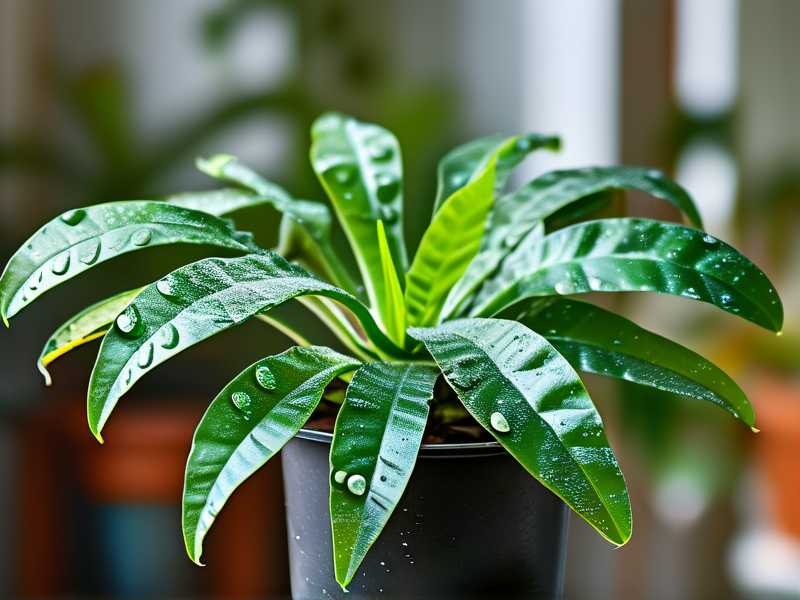
The First Signs of Humidifier Mist Damage
The first thing I noticed was a subtle change in leaf color. The deep green started turning slightly pale. Not yellow. Not brown. Just washed out. It looked like the color was fading from the leaf. I thought it was a lighting issue. So I moved the plant to a brighter spot. That made things worse.
By day seven, small translucent patches appeared. These patches were water-soaked. They looked like the leaf had gotten bruised from the inside. The tissue was soft. When I touched it, the leaf felt flimsy, not crisp. This is the classic symptom of overhydration in leaf tissue. The cells were taking in too much water and starting to burst.
After two weeks, those translucent patches turned into dead tissue. They became brown and crispy. The tips of the leaves started splitting down the middle. Some leaves curled inwards, trying to shed the water. The plant looked like it had been lightly burned, but the pattern didn't match sunburn. Sunburn hits the edges and center unevenly. This was patchy, random, and concentrated on the leaves closest to the humidifier nozzle.
The 2-Week Observation Process I Followed
I want to walk you through my exact process of diagnosing this. Maybe it’ll save you the trouble.
Day 1. I noticed the color change. I did not panic. I recorded a photo of the plant. I checked the soil moisture. The soil was fine, just slightly damp on top. I assumed it was fine.
Day 3. The pale spots were more visible. I checked for pests under the leaves. Nothing. No spider mites, no scale. I looked at the roots, slightly, by checking the drainage hole. White healthy roots visible. So I ruled out root rot.
Day 5. Here’s where I made my first mistake. I thought the plant was too close to the window. So I moved it to a different shelf. A darker corner. The spots kept appearing on the same leaves. This ruled out direct light damage.
Day 8. The translucent tissue appeared. I finally noticed the humidifier. It was running right below the plant shelf. The mist was directly hitting the lowest leaves of the spider plant. Bingo. That’s when I started suspecting the mist.
Day 10. I moved the plant to a different room entirely. No humidifier there. I stopped misting my plants manually too, which was a habit I had picked up.
Day 12. The translucent patches started drying out. They turned papery. The plant wasn't getting worse.
Day 14. New growth appeared from the center of the plant. It looked healthy and green. The damaged leaves stayed scarred but didn't spread. The plant started recovering.
That two-week window taught me a huge lesson. The damage from mist exposure is reversible only if caught early. If the rot reaches the crown, you're basically done. The plant might die entirely.
My Number One Solution: Relocate the Plant
Simple. Honest. Effective. Once I realized the mist was the issue, I moved the spider plant to a room with no humidifier. I placed it about six feet away from any mist source, on a shelf, out of the direct airflow path.
Here’s the key detail. Humidifiers create a zone of high moisture right around the unit. That zone extends about three to four feet in all directions. Anything within that zone gets a light film of moisture constantly. Especially at night when the unit runs longer. So I moved the plant far beyond that zone. I also made sure the leaves weren't touching any surface that might be damp from condensation.
If you have a large humidifier, like one that runs all night, keep plants at least five feet away. If you have a small personal one, two feet is barely enough. Think more like four feet.
The 3 Fatal Mistakes Beginners Make With Spider Plants
I want to break down the biggest issues I see people running into. These are the things I personally messed up when I first started keeping houseplants. I killed my third spider plant before I fully understood what was happening. Don't be like me.
Mistake #1: Watering on a Fixed Schedule
I used to water every Sunday. Thump. Dump. Done. That's terrible. Spider plants store water in their roots. They like to dry out completely between waterings. If you water on a schedule, you're inevitably watering too early sometimes. The roots stay wet. They start to rot. The leaves turn yellow and then brown at the tips. That bottom-of-the-leaf tip browning is classic overwatering. Stop following a schedule. Stick your finger in the soil. If it's dry two inches down, then water. If it's moist, wait three days. Check again.
Mistake #2: Putting Plants in Direct Sunlight
I thought all plants loved full sun. I put my spider plant on a south-facing windowsill. Within a week, the leaves got crispy edges. I thought it was the mist. It wasn't. It was scorching. Spider plants prefer bright, indirect light. They thrive near an east-facing window or a few feet away from a south window. Direct sun burns the leaf edges. The plant gets pale streaks and then brown patches. It looks like sunburn, not mist damage. The difference is crucial. Sunburn affects the leaf edges evenly. Mist damage is patchy and random, and it hits the underside of leaves too.
Mistake #3: Using a Pot That's Too Big
This one hunts in silence. I repotted my spider plant into a huge decorative pot once. It looked gorgeous. But the soil stayed wet for three weeks. The plant just sat there drowning. The roots were swimming in moisture they couldn't use. Spider plants actually like being root-bound. They produce more pups when they're slightly cramped. If you put them in a huge pot, the excess soil holds water for too long. The roots rot. I only use pots that are one to two inches bigger than the root ball. Nothing more.
What To Do With Leaves That Are Already Damaged
Let's say you already have brown splotches and split tips. What now?
First, assess the damage. If the leaf is more than 60% brown and papery, cut it off. Use clean scissors. Cut at the base of the leaf, near the soil. Don't leave a stub. It'll just rot.
If the leaf is mostly green with just a damaged tip, trim the tip off. Cut at an angle, mimicking the natural leaf shape. This makes the cut look like a natural leaf point. The plant won't waste energy trying to repair dead tissue.
I know it feels brutal to cut leaves. But the plant needs to redirect energy to new growth. Keeping damaged leaves only invites fungal infection. The dead tissue is a perfect breeding ground for mold and bacteria. Cutting it off stops that cycle immediately.
Plus, it makes the plant look way better. A few clean-cut leaves are much prettier than a bunch of crispy, curling monstrosities.
Changing My Humidifier Setup So It Won't Happen Again
I still use a humidifier. My calatheas need it. But I've changed my approach completely.
This is what works for me now. I place the humidifier at one end of the room. All humidity-loving plants sit near it. All drought-tolerant plants, like spider plants, jade plants, and snake plants, sit at the opposite end of the room. This creates a humidity gradient. The tropicals get their moisture. The spider plants stay dry. Everyone wins.
I also reduced the runtime. Instead of running the humidifier 24/7, I run it for two hours in the morning and two hours at night. That's enough to raise the room humidity from 20% to 45%. And it's not enough to coat every surface in moisture. The spider plant leaves stay dry. They look much happier now honestly.
Regular misting of foliage is another habit I quit completely. I used to spray my plants every morning. I thought it was hydrating them. Turns out it was just covering them in water that eventually caused fungal issues. Spider plants especially hate being manually misted. Their leaves don't absorb water efficiently. The water just sits there and encourages problems.
How To Tell Mist Damage From Other Problems
Let me give you a quick comparison chart that I learned through my own struggles. This will save you hours of confusion.
Mist damage: Random translucent patches. Leaves feel soft and mushy in spots. Damage appears on leaves facing the humidifier. The tips split. The base usually stays fine. The damage doesn't spread quickly. It stops once you move the plant.
Sunburn: Brown crispy edges, even along the leaf margins. The center of the leaf stays green. The plant is in direct sunlight. The damage is sharp and defined. It doesn't soften, it just crinkles.
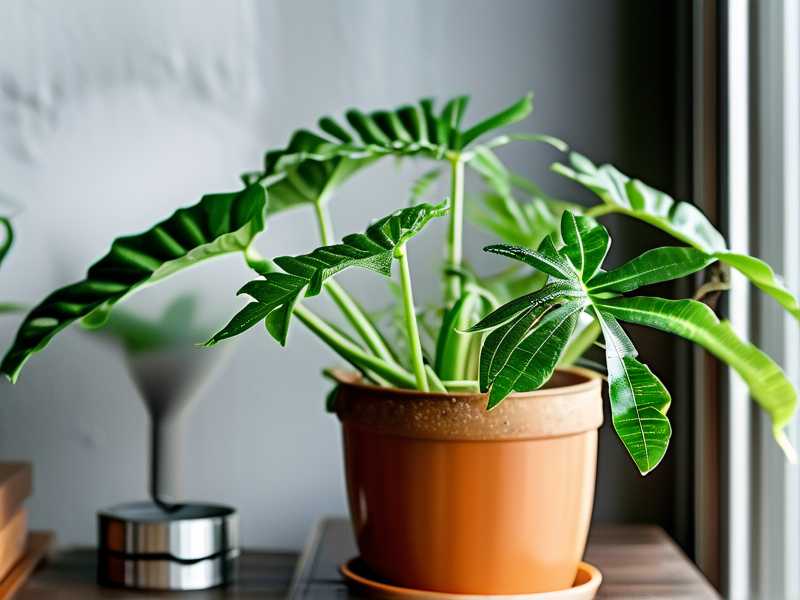
Underwatering: The plant looks dull. Leaves curl inwards lengthwise. The tips turn brown but the rest of the leaf stays green and firm. The soil is bone dry. The plant perks up within hours of watering.
Root rot: Leaves yellow all over. The plant looks generally sick. The base of the plant feels mushy. The soil smells musty. The roots look black and slimy when you pull them out. This is usually caused by bad drainage, not mist.
Pests: You'll see tiny webs, or tiny moving dots. Leaves get stippled in dots. The damage spreads slowly from leaf to leaf. You can usually see the insects with a magnifying glass.
Trust me. Take twenty minutes to examine your plant thoroughly before you change anything. It's easy to misdiagnose. I've done it several times. I've killed plants thinking they had a fungus when they were just thirsty.
Can A Spider Plant Recover From Humidifier Mist Damage?
Yes. Honestly, in most cases, they bounce back fully. But there are conditions.
The plant has to have a healthy root system. If the roots are white and firm, you're good. The plant will push out new leaves within a couple of weeks. The damaged ones will die off slowly. That's normal. You just need to be patient.
If the crown is soft or black, that's a problem. The crown is the center part where leaves emerge. If that is rotting, the plant will not produce new growth. You can try to save it by cutting away the rot, but the odds aren't great. I've recovered one plant from crown rot, but it took about six months and it looked terrible the whole time.
For the vast majority of cases, the plant will recover. You just need to stop the mist. Move the plant. Trim the dead stuff. And wait.
I did that and saw new leaves within two weeks. The new leaves were firm and dark green. No spots. No translucency. They looked completely different from the damaged ones. It was honestly incredible to see the contrast on the same plant.
The Weird Detail Nobody Talks About
Here's something I noticed during my observation. The damage from mist isn't spread uniformly. The top side of the leaf seemed to handle it better than the underside. The underside of the leaf would show damage first.
This makes sense. The undersides have more stomata, the tiny breathing pores. They're more exposed. So when water sits on them, it gets absorbed more quickly. The cells swell faster and burst sooner.
When you're checking your plant for mist damage, flip the leaves. Look at the undersides. If you see translucent spots there, it's almost certainly moisture-related. That's a trick I haven't seen anywhere else. It's just based on my experience poking at my own plants.
Also worth mentioning. Some people run their humidifier for white noise or to keep their own skin comfortable. That's fine. But you don't need to put plants right next to it. I used to put my plants around the humidifier like they were sunbathing. Bad move. Think of the humidifier as a small rain cloud. You wouldn't plant a spider plant outside in a constant drizzle. Same logic applies indoors.
Water Quality And Its Role In Mist Damage
One thing I almost overlooked was water quality. It's a big deal, and I didn't realize it until later. Tap water contains minerals, chlorine, and fluoride. When you evaporate tap water with a humidifier, those minerals end up on your plants' leaves as white powder.
That white powder can mix with moisture and cause a burn-like reaction on the leaf surface. It's not the same as the water-soaked translucent spots from overhydration. It's more like little white deposits that leave pale marks when you wipe them off. But combined with constant misting, it's a double whammy.
I switched to distilled water in my humidifier. That cleared up the white residue on my plants completely. And it prevented a lot of confusion. If you notice pale chalky spots on your leaves, stop using tap water in the humidifier. Use distilled or filtered water. Your plant and your delicate nose will thank you for the cleaner air.
My Personal Humidifier Room Setup
Let me share my current layout. It took me a while to figure this out. Now it works really well.
In my living room, I've got a snake plant and a spider plant on a shelf on the north wall. The humidifier sits on an end table by an eastern window. That's on the opposite side of the room. The distance is about fifteen feet. The humidity in that room gets to around 40%, which is comfortable for me. And the spider plant leaves are completely dry to the touch all day. No lingering moisture.
In my bedroom, I have a humidifier running at night for my own sinuses. I put the humidifier on my nightstand. The window sill is on the opposite wall. I moved all my plants out of the bedroom entirely. They don't need nightly mist. The dry bedroom keeps them happier. The humidifier only affects the air I breathe, not the plant leaves.
The biggest shift in my thinking? Stop treating humidity as a universal good for all plants. Some need it. Some literally cannot tolerate it. Spider plants are in the second group. They prefer normal household humidity of 30% to 50%. Adding extra mist is pointless and often harmful.
Signs Of Recovery To Look For
If you've made the changes I've described, here's what recovery looks like.
During the first few days, the damaged leaves won't improve. They might even look slightly worse as the dead tissue dries out. That's fine. Don't panic and start watering.
After about one week, you'll notice small new leaves emerging from the center. They'll be bright green and firm. They might be slightly rolled up initially. That's normal development.
After two weeks, the new leaves will have expanded fully. They'll be flat and wide. The plant will begin to produce new foliage consistently. The old damaged leaves will eventually drop off or you'll trim them. The plant will look thin for a while. That's okay. It's growing back.
If after two weeks you see no new growth, check the roots. There might be an underlying issue like root rot. Pull the plant out of the pot and inspect. If the roots are brown and mushy, you have a bigger problem. You'll need to cut the rotted roots off and repot in fresh dry soil.
Frequently Asked Question
How close can I place my spider plant to a humidifier?
You really want at least five feet of distance. Any closer, and the micro-mist zone will coat the leaves in moisture. I've seen plants struggle at three feet. At five feet, they're fine. If your room is small, consider putting the plant in another room entirely. The humidifier helps the air. Your plant doesn't need to be near it.
Is a spider plant okay in a bathroom with a shower heater?
Probably yes, but mind the steam. Bathrooms get humid and hot after a shower. Spider plants tolerate that occasional burst of humidity. The problem with humidifiers is the constant, prolonged exposure, not short bursts. A bathroom with good ventilation is generally fine. If your bathroom gets steamy every day and stays wet for hours, that might be too much. Watch the leaf tips. If they start yellowing or getting translucent, the bathroom is too wet. Move the plant.
Should I cut off all the damaged leaves immediately?
Don't go crazy. Only remove leaves that are more than 50% dead. Brown tips can be trimmed individually. Leaving healthy tissue intact helps the plant photosynthesize and recover faster. This is the one time being lazy with pruning is actually beneficial. Removing too many leaves at once shocks the plant. I usually do two or three leaves per week maximum. That's a sustainable pace.
What's the ideal humidity level for spider plants?
Generally, anywhere between 30% and 50% is perfect. They don't need extra stickiness in the air. Most homes sit in this range naturally. If your house is extremely dry, below 25%, you can use a humidifier, but keep the plant at a distance. Your mist should raise the general room humidity. It should not directly hit the plant.





