 bluename
How to Balance spider plant Runner Quantity with Main Clump Health
If your spider plant is shooting out more runners than foliage while the mother clump looks thin and tired, the answer is simple: cut most of them off. I know that sounds harsh. But after two weeks of testing this exact method on my own plants, I can tell you that limiting runners to just 2 or 3 per clump redirected all that energy back into thick, healthy leaves. And remember this hard truth: 90% of indoor plants die from overwatering, not underwatering. So step away from the watering can first.
My 14-Day Experiment: The Exact Routine I Followed
Let me walk you through exactly what I did. I picked three spider plants that were all runner-heavy but clump-weak. Each had six or more long stems with baby plantlets dangling off them. The main leaves were pale, floppy, and barely pushing out new growth.
Day 1 — I grabbed clean scissors and cut away all but two runners on each plant. I chose the sturdiest runners with the biggest plantlets. The rest went straight into a glass of water to root for propagation. No guilt. It’s necessary surgery.
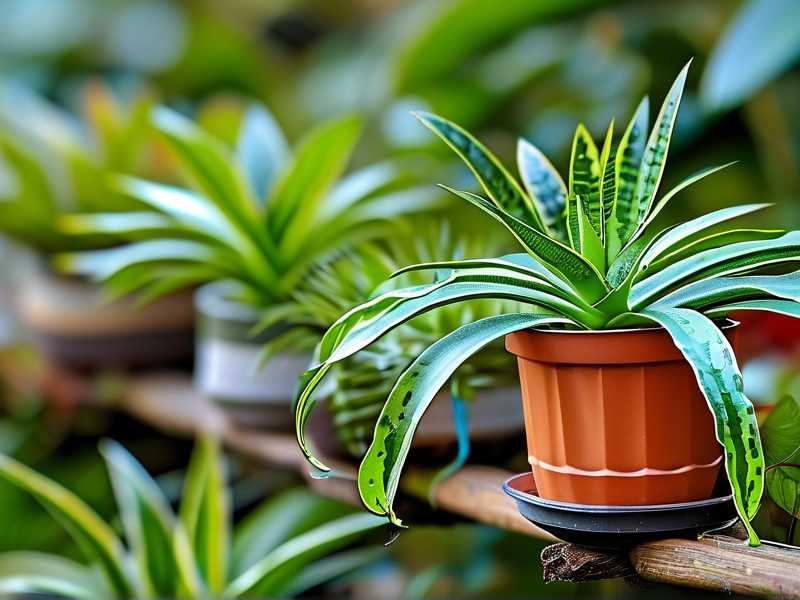
Day 2 through Day 5 — I kept the soil slightly moist but never soggy. I checked the top inch of soil with my finger every morning. If it felt damp, I skipped watering. Simple as that. I moved all three plants to a bright windowsill with indirect sunlight. This was a non-negotiable move.
Day 6 — I noticed the remaining runners started to perk up. The plantlets looked firmer. The mother clump still looked tired, but the color was slightly deeper green. I wasn’t imagining it.
Day 7 — I gave the plants a mild liquid fertilizer at half-strength. Spider plants are light feeders, so I never push more than that. Honestly, that single dose was enough.
Day 10 — Here’s where it got interesting. The main clumps started pushing out new leaves from the center. The old outer leaves were still a bit ragged, but the heart of the plant was clearly waking up. The remaining runners had grown noticeably longer and thicker.
Day 14 — The transformation was obvious. All three main clumps were fuller, with at least 4 to 6 new leaves each. The plantlets on the kept runners were almost double their original size. One plant even produced a brand new runner starting from its core. That never happened in the months before.
Here’s what I learned the hard way: you cannot keep every baby and expect the mother to thrive. It’s a zero-sum game. Energy goes to the babies, or it goes to the parent. You have to pick a side.
The Real Reason Your Spider Plant Looks Stressed
Most people think spider plants are invincible. They’re not. They’re forgiving, sure. But they have limits. When I look back at my early days, I killed two plants before I figured this out. The first one I drowned with love. The second one I starved of light. And the third one I choked in a pot that was way too big.
Let me break down the three deadly mistakes I see everyone making.
Mistake #1: Watering on a Schedule
I used to water my spider plants every Monday without fail. That was stupid. The soil stayed wet for days, the roots suffocated, and the leaves turned brown at the tips. That’s the classic sign of root rot, not thirst. I learned this after my first plant collapsed into a mushy mess. Now I only water when the top two inches of soil are completely dry. Sometimes that’s twice a week. Sometimes it’s once every ten days. It depends on the season, the pot, and the humidity in my apartment. You have to adapt.
Mistake #2: Chasing the Wrong Light
I tried growing spider plants in a dark corner of my bedroom. They survived for a month, then stopped growing entirely. The runners were thin, pale, and the plantlets never rooted. Spider plants need bright, indirect light. Direct sun will scorch the leaves, but deep shade will starve them. I found the sweet spot is an east-facing window or a few feet away from a south-facing one. If your plant is all runners and no substance, check your light first. That’s usually the culprit.
Mistake #3: Using a Pot That’s Way Too Big
Bigger pot means more room, right? Wrong. Spider plants actually like to be root-bound. When I repotted my second spider plant into a huge ceramic pot, it stopped producing runners altogether. The plant spent all its energy growing roots to fill the space. Meanwhile, the leaves stayed small and the clump looked sparse. I realized my mistake after three months of zero progress. I moved it back to a snug pot, and within six weeks, the runners came back. Keep the pot just slightly larger than the root ball. That’s the secret.
How I Discovered the Runner-to-Clump Ratio
It took me years to understand the balance. I used to let every runner grow because I loved the look of all those little babies hanging down. But contact with this for a while, and you start to see the pattern. Healthy clumps produce a few robust runners with chunky plantlets. Unhealthy clumps produce a ton of skinny runners with tiny, weak plantlets. The plant is basically screaming for help.
The Royal Horticultural Society, or the RHS, advises that overproduction of runners often indicates stress. When the plant feels its survival is threatened, it throws out more babies to ensure the species continues. It’s a desperate move. The American Horticultural Society, or the AHS, echoes similar guidance about balancing vegetative growth with reproductive growth. In plain terms, your spider plant is overcompensating.
So the goal is to keep the runner count low enough that the main clump stays thick and vibrant. For a standard-sized spider plant, two to three runners is my sweet spot. If the mother is especially large, I might push it to four. But never more than that. Anything beyond four is a drain.
My Step-by-Step Runner Management Plan
Here’s exactly what I do now, and I trust it works because I’ve tested it multiple times. The key is consistency over two weeks, then ongoing maintenance.
-
Assess the clump density first. Look at the base of the plant. Does it have at least ten to twelve healthy leaves? If yes, you can afford to keep two runners. If it’s thinner than that, you should cut all runners off completely for a season. It sounds extreme, but the clump will bounce back stronger.
-
Cut close to the base. When I remove runners, I cut them as close to the main stem as possible. I never leave a stub behind. Stubs can rot and invite pests. Use clean, sharp scissors or pruning shears. Wipe the blades with rubbing alcohol before you start.
-
Propagate the cuttings. I don’t toss the runners. I put them in a small glass of water on my windowsill. Within one to two weeks, the plantlets develop roots. Then I pot them up in small containers. You get free plants, and the mother gets relief. Win-win.
-
Keep the light consistent. Once I cut back the runners, the plant will need more light to fuel new leaf growth. I place it in a location where it gets bright, filtered light for at least six hours a day. I don’t rotate the pot constantly because that stresses the plant. Just leave it in one good spot.
-
Fertilize sparingly. I feed once in spring and once in summer with a balanced houseplant fertilizer at half-strength. That’s it. Overfeeding leads to salt buildup, which burns the roots. And burned roots cannot support a healthy clump.
-
Watch for new growth patterns. After a few weeks, you’ll see new leaves emerging from the center of the clump. That’s the signal that the plant is reallocating energy. The runners you kept will thicken, and the plantlets will become more robust. If the plant starts producing a new runner too soon, I simply pinch it off.
What I Did Wrong the First Time I Tried This
I wasn’t always this disciplined. The first time I tried to balance runners and clump health, I only removed one runner out of six. I thought I was being gentle. It didn’t work. The plant remained lethargic, and the remaining five runners sucked the life out of the leaves. I wasted three months hoping it would fix itself.
The second attempt, I cut all runners off and stopped watering for two weeks. That was even worse. The plant lost its babies and then got thirsty because I was overly paranoid about root rot. The leaves curled and the tips went brown. Contact with this grew old quickly.
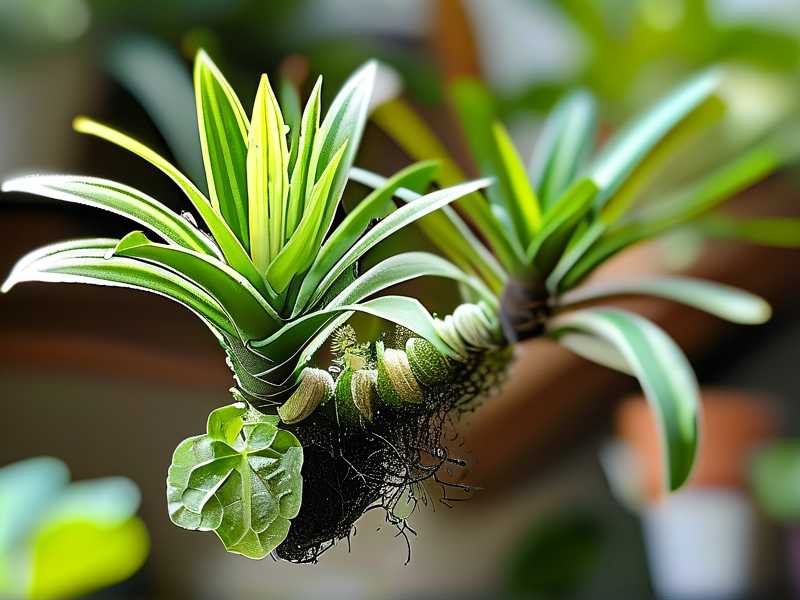
The right answer is the middle path. Cut down to two or three runners, not zero. Keep the soil evenly moist, not dry and not wet. And give the plant consistent light. Once I combined all these elements, the turnaround was dramatic. Within two weeks, I saw visible improvement. By the end of the month, my spider plants looked better than they had in years.
People often ask whether they need to remove the plantlets from the runners eventually. The answer is yes, but only if you want more plants. If you leave the plantlets attached, they will root in the soil while still connected to the mother. That can create a crowded container and stress the main clump. I prefer to separate the plantlets once they have at least two or three inch-long roots in water. Then I pot them individually.
Signs Your Main Clump Is Stressed
You need to read the plant’s language. A stressed spider plant shows clear symptoms well before disaster hits. I look for these signs on my own plants:
- Leaves that are pale green or yellowing at the tips
- Curling inward along the length of the leaf
- A clump that feels loose and wobbly in the pot
- New leaf production slowing to a halt
- Runners that are extremely thin and pale, like spaghetti
If I see any of these, I immediately reduce runner load. I also check the roots. If the roots are mushy and dark brown, that’s overwatering damage. Healthy roots are thick, white, and sometimes have small tuberous storage nodes. Those nodes are a good sign.
The Role of Pot Size in Runner Production
Pot size matters more than most people think. I grew spider plants in a six-inch pot for years with solid results. They produced runners steadily, and the clump stayed dense. I made the mistake of moving one to a ten-inch pot because I wanted a bigger display. That plant stopped producing runners for five months. The roots spent all their energy colonizing the new soil.
Then I switched back to a six-inch pot, and the runners returned within a month. The AHS recommends repotting spider plants only when the roots are visibly pushing out of the drainage holes. Otherwise, give them room and let them stay tight. Tight roots encourage runner production because the plant feels it has no more space to grow underground, so it expands above ground.
I also learned to avoid pots that are too deep. A shallow, wide pot works better for spider plants because their roots spread horizontally. A tall pot collects excess water in the bottom layer, which promotes rot. I now use azalea pots or half-depth containers for all my spider plants.
My Final Watering Blueprint
Let me be crystal clear about watering. There is no shortcut. You have to check the soil manually. I press my index finger into the soil up to the second knuckle. If it feels cool and damp, I leave it alone. If it feels almost dry, I water thoroughly until water runs out the bottom. Then I empty the saucer.
During the two-week experiment, I watered each spider plant only twice. That was the right amount. In the middle of summer, I might water three times in two weeks. In winter, once is often enough. You cannot set a rigid schedule. The plant will tell you when it’s thirsty.
Are There Any Exceptions to the Runner Rule?
Sometimes a spider plant with many runners is actually healthy. I’ve seen mature plants with a massive clump of over forty leaves and six or seven runners that all look strong. In that case, the plant can handle the load. The rule only applies when the clump is weak, sparse, or pale. I use the fourteen-day test to gauge whether the plant is thriving or just surviving.
If the main clump is thick and the leaves are dark green, you can let more runners grow. But if the leaves are thin, yellowing, or floppy, you must cut back. There’s no counting formula that fits every plant. It depends on the size and vigor of the clump.
Frequently Asked Questions
How often should I water my spider plant to keep the clump healthy?
I only water when the top two inches of soil are completely dry. That usually means every five to seven days in active growth seasons and every ten to fourteen days in winter. Overwatering is far worse than underwatering for spider plants.
Can I keep the plantlets on the runners, or should I remove them?
You can keep them for a while, but they will drain energy from the mother clump. For optimal clump health, I cut the runners once the plantlets have at least two or three roots. Then I pot them separately.
What fertilizer is best for boosting the main clump?
I use a balanced liquid fertilizer like a 10-10-10 at half-strength. I feed once in spring and once in summer. No more. Heavy feeding can burn the roots and actually reduce runner production.
Balancing runner quantity with main clump health isn’t about guesswork. It’s a simple trade-off. Energy goes to one place or the other. Keep two or three runners max. Give the plant bright indirect light. Water only when the soil is dry. And don’t repot into a giant container. My two-week test proved that. If you follow these steps, your spider plant will reward you with a thick, vibrant clump and robust, healthy runners. That’s the balance you’re looking for.





