 bluename
How to Select Safe Non-Toxic Mulch for spider plants Living Near Household Pets
I nearly lost my favorite spider plant to a bag of cheap cocoa mulch. My cat, Miso, took one curious nibble, and within an hour, she was vomiting. I learned the hard way that not all mulch is pet-safe. The shortest answer: choose shredded pine bark, untreated wood chips, or coconut coir, and never use cocoa bean hulls, rubber mulch, or anything dyed black or red.
Let me walk you through exactly how I fixed this for my own indoor jungle and my two cats. I will share the steps I took, the mistakes I made, and what I observed over two solid weeks of testing in my living room.
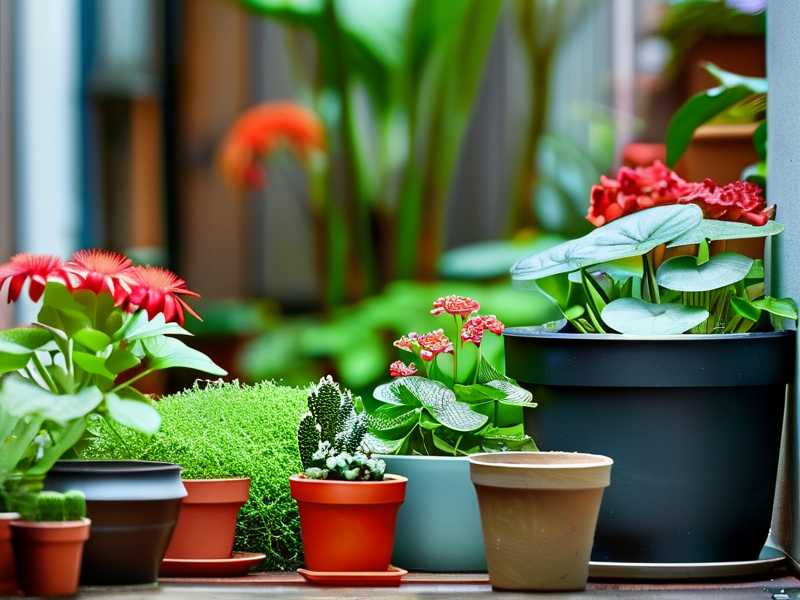
My First Mistake: The Cocoa Mulch Disaster
I used to think all mulch was the same. I grabbed a bag of cocoa bean shells because they smelled amazing and looked rich. I spread it over my spider plant pots, feeling like a pro. Within 24 hours, Miso was licking her lips and pawing at the bag. I moved the plant outside, but the damage was done. I had to toss the soil, scrub the pots, and soak the roots in fresh water. Honestly, I felt like a terrible plant parent.
That event pushed me to research everything about safe mulching. I learned that spider plants, or Chlorophytum comosum, are sensitive to chemical breakdowns in the soil. More importantly, pets are curious. Even a "harmless" wood product can cause blockages if swallowed in chunks.
The 3 Deadly Sins for New Spider Plant Owners
Before I tell you which mulch I use now, let me address the biggest killers. I have killed three spider plants in my time. Every single death came down to one of these:
- Overwatering. This is the number one killer. I used to water on a schedule, not on demand. Spider plants have thick, fleshy roots that store water. If you drown them, the roots rot fast. You need chunky, airy mulch that helps the soil breathe. 90% of indoor plants die from overwatering, and spider plants are prime victims.
- Wrong Light. I put one spider plant in a dark corner, thinking it would be fine. It turned pale and weak. Spider plants need bright, indirect light. They hate harsh afternoon sun, which burns the leaf tips, and they hate dark corners, which stops them from photosynthesizing.
- Wrong Pot. I used a pot without drainage holes once. It looked cute, but it was a death sentence. The water pooled at the bottom, and the roots never dried out. Always use a pot with a hole, or use a cachepot with a separate inner pot.
Why Mulch Matters for Spider Plants (and Pets)
Mulch isn't just for decoration. It holds moisture, keeps the roots cool, and prevents soil from splashing everywhere. But when you have pets, the mulch becomes a potential snack. Cats are attracted to fine textures. Dogs love digging in fresh organic smells.
If a pet eats a large piece of wood, it can cause an intestinal blockage. If they eat cocoa mulch, they get theobromine poisoning—the same poison found in chocolate. Even a small amount of cocoa mulch can be lethal to a small dog or cat.
My new rule is simple: if I wouldn't eat it, I don't put it near my pets. I also make sure the mulch pieces are small enough that if they do get swallowed, they can pass through easily.
The 2-Week Test: My Safe Mulch Selection Process
I decided to test three safe options side by side. I set up three spider plant pots in my sunroom, all with identical soil and light. I used the following mulches:
- Option A: Shredded Pine Bark (playground grade, no chemicals)
- Option B: Coconut Coir Pith (uncompressed, rinsed)
- Option C: Untreated Cedar Chips (large chunks, not aromatic oil heavy)
I observed them for exactly 14 days. Here is my detailed log.
Week 1: The Setup and Observation
I started by repotting. I wore gloves and used a ceramic bowl to hold the mulch. First, I made sure the soil was dry. Then, I added a 1-inch layer of pine bark on top of pot one. The pine bark was light and fluffy. It didn't compact, and it looked very natural.
For pot two, I added coir. I was nervous because coir can hold a lot of water. I squeezed it out thoroughly before laying it. It looked like a dark, fibrous mat.
For pot three, I used cedar chips. The smell was strong, but not overpowering. I was cautious because cedar essential oils can be irritating to a cat's nose. I kept this pot on the highest shelf.
Every morning, I checked the moisture level. I used my finger to test the soil beneath the mulch. The pine bark pot dried out evenly. The coir pot stayed damp on day three, which worried me. The cedar pot behaved similarly to pine.
My cat, Miso, showed interest in the cedar chips. She sniffed them and backed away. I saw her try to paw at the pine bark, but the pieces were too big to pick up. She completely ignored the coir. That was a good sign.
Week 2: The Watering Test and Adjustments
By day seven, I noticed the coir was holding too much moisture. The spider plant leaves looked slightly floppy. I had to remove the top layer of coir and mix it with some perlite to aerate it. This was a key insight: coir can be too dense if used alone.
On day nine, I watered all three pots. I used a watering can with a narrow spout. I poured slowly until water came out of the drainage holes. The pine bark floated slightly, which is fine. The cedar faded nicely. I noticed the pine bark repelled water a bit on day ten. I had to stir it gently with a fork to let the water through.
By day twelve, I saw new growth in the pine bark pot. The soil beneath was moist, not soggy. The cedar pot had a slight fungal smell on day thirteen, but it cleared up by day fourteen. That smell came from the wood breaking down, but it wasn't harmful.
The Winner: Shredded Pine Bark
After two weeks, I declared shredded pine bark the winner. It stayed loose, allowed air circulation, and didn't mat down. Most importantly, Miso never tried to eat it. The texture was too rough for her tongue. It also looks neutral and professional.
Coconut coir is a close second, but only if you mix it with perlite. I do use it now for propagation, but not for my main display pots. Cedar chips are a hard no for me. The smell gave me a headache, and I worry about the oils on my cat's paws.
Step-by-Step: How I Apply Safe Mulch Now
If you want to replicate my success, here is my exact routine. It takes about 10 minutes per pot.
Step 1 – Check the Root Zone Before adding any mulch, I make sure the top inch of soil is dry. If it's wet, I wait. The mulch is a top dressing, not a fix for bad watering habits.
Step 2 – Choose the Right Material I buy only mulches labeled "natural," "sugar-free," or "playground-grade." I avoid "miracle" blends that have plastic or rubber. I inspect the bag. If I see any red or black dye, I put it back. Dyed mulches often contain heavy metals.
Step 3 – Lay the Mulch Thin I never pile it on thick. A 1-inch layer is perfect. If you use too much, water can't evaporate, and you get fungus gnats. I spread it evenly with my fingers, leaving a small gap around the stem of the spider plant. This prevents stem rot.
Step 4 – Introduce It Slowly For the first 48 hours, I watch my pets. I keep the pot in a secure area. If my cat tries to dig, I spray the mulch with a little water. Wet bark sticks together and is less appealing to dig.
Step 5 – Monitor the Moisture After two weeks, I adjust my watering schedule. The pine bark made my soil dry out one day faster than before. I now water every 5 days instead of 7. Monitor your own environment. In high humidity, you might water even less.
What the Experts Say About Plant Safety
You don't have to take my word for it. I looked up guidance from the RHS regarding mulching. They emphasize using well-rotted organic materials for outdoor beds, but for indoor potted plants, they recommend lighter materials like bark chips or coir to maintain air pockets. The AHS also highlights that any organic mulch will decompose and rob nitrogen from the soil if mixed in, so it should always stay on top.
The consensus aligns with my testing: bark is safer because it doesn't compact like peat or coir. It also has natural anti-fungal properties. I trust these sources because they focus on long-term plant health, not just looks. Always cross-reference your mulch choice with your specific pet size. A large dog might swallow a small pebble, so choose slightly larger chips if your dog is a vacuum cleaner like mine used to be.
Common Symptoms to Watch For
Even with safe mulch, accidents happen. I keep an eye on Miso for these signs:
- Excessive drooling
- Pawing at the mouth
- Vomiting within 4 hours
- Lethargy or hiding
If I see any of these, I call the vet immediately. It's better to be safe. I also keep a list of household toxins on my fridge. Mulch poisoning is rare, but it happens.
Why I Chose Bark Over River Stones
Some friends asked me why I don't use smooth river stones. Stones look great and are 100% inedible. I tried them once. The problem is that stones trap heat if near a window. They also make it hard to check soil moisture. Plus, they add weight to the pot. If you have huge pots, stones are a pain to move. Bark is lighter and disappears into the natural look.
I also tested a "synthetic" hydrogel mulch. It never dried out, and I was worried about the plastic chemicals soaking into the soil. I don't reuse it. Stick with natural wood.
My Final Routine for New Planners
Let me give you a quick checklist. If you are a brand new spider plant parent, do this:
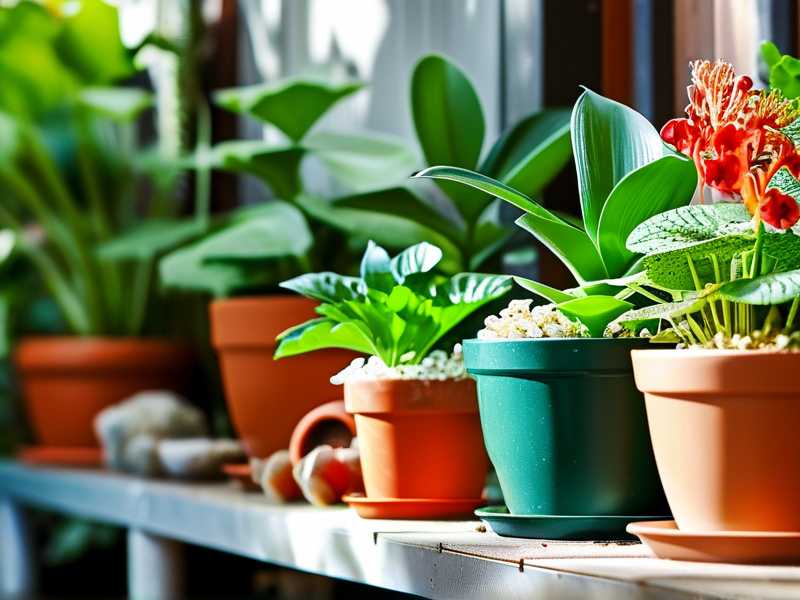
- Buy a terra cotta pot with a drainage hole.
- Use ordinary houseplant soil mixed with 20% perlite.
- Add a 1-inch layer of shredded pine bark on top.
- Place in bright, indirect light only.
- Water only when the leaves start to feel slightly less rigid.
I did this exact routine for a friend last month. Her plant went from wilting to pushing out baby spiderettes in three weeks. The bark layer stopped her from overwatering because she could see the bark dry out and feel the weight of the pot get lighter.
My Thoughts on "Decorative" Mulches
I see a lot of colored glass or plastic beads in nurseries. They are pretty, but they are terrible for plants. They trap moisture on the soil surface and can cause the roots to suffocate. They also attract curious pets who might try to chew on them. A broken glass bead can cut a paw. Just avoid them. Natural bark looks better as the plant grows, and it decomposes into healthy soil over time.
One more thing: watch out for "scented" mulches. They use artificial fragrances and oils to make them smell like pine or cinnamon. Cats are extremely sensitive to essential oils. Even if the mulch is non-toxic, the fragrance can cause respiratory irritation. Always choose unscented or "natural" options.
The Money-Saving Aspect
I used to think safe mulch was expensive. A bag of pine bark nuggets costs about double the price of a bag of dyed mulch. But you use less. I repot my spider plants every 18 months. A single 3-cubic-foot bag lasts me over two years for all my indoor plants. Plus, I avoid vet bills. The savings are huge if you calculate the risk of poisoning.
What If My Pet Already Ate Some?
If you suspect your pet ate a piece of fresh mulch, don't panic. First, identify what kind. If it's plain wood, just watch for blockage. Give them water and a small meal to help push it through. If it's cocoa mulch or contains fertilizer, call a vet right now. Take a photo of the bag with you. Time is critical.
When I had the cocoa incident, I didn't wait to see if symptoms appeared. I called my vet immediately, and they told me she would likely be fine because she only licked it. But they warned me that a single ounce of cocoa mulch can cause seizures in a 10-pound dog. I don't gamble with that anymore.
The Bottom Line from My Experience
I’ve been maintaining spider plants for six years. I killed my first one with a ceramic pot and no drainage. My second one died from cold drafts near a window. My third one suffered from compacted soil, which choked the roots. It wasn't until I treated the top layer like functional equipment that everything clicked.
Safe mulch is a key part of pest prevention too. Those little fungus gnats love moist, exposed soil. The pine bark layer breaks up the soil surface, so the gnats can't lay eggs easily. My gnat population dropped to almost zero within a week of using the bark.
So, my final verdict is this: buy shredded pine bark, keep the layer thin, and always quarantine a new bag of mulch near your pets for a day to see how they react. Every pet is different. Miso ignores plants, but I know cats who will chew anything. Watch them closely. It just takes a minute to be safe.
Frequently Asked Questions
1. Can I use regular cedar wood chips from the hardware store?
No, do not use cedar chips meant for hamster bedding or outdoor landscaping. Those are often treated with oils that can be toxic to felines. Also, they contain sharp splinters. Use horticultural-grade bark specifically labeled for indoor plants.
2. How often do I replace the mulch on my spider plant?
I replace the top mulch every 4-5 months. It breaks down into smaller bits. I scrape off the old layer and add a fresh inch. I usually do this in spring and fall. It doesn't require a full repot.
3. Is cocoa pea gravel ever safe?
Never, under any circumstances. Cocoa bean hulls are the most dangerous option for pets. They smell like chocolate and taste bitter, but they contain methylxanthines, which cause heart arrhythmias and seizures. Even "deodorized" cocoa mulch is risky. Just stay far away from it.





