 bluename
I lost more spider plants to summer heat than I care to admit. The scorching sun turns their leaves pale, crispy, and hopeless within days. You need shaded outdoor storage for spider plants during extreme heatwaves, and you need it now. My solution uses a simple shade cloth frame and a repositioning strategy that drops leaf temperature by 15°F. I tested this exact setup for two straight weeks during a 103°F stretch. Here is what worked, what failed, and the exact steps I took to keep every single plant alive.
Why Spider Plants Fry in Extreme Heat
Spider plants (Chlorophytum comosum) thrive in bright, indirect light. They do not tolerate direct afternoon sun. During heatwaves, ambient temperatures above 95°F cause soil to bake, roots to cook, and leaf tips to turn brown and brittle. I have killed three plants this way. The fourth one taught me the lesson. You cannot just move them under a tree. You need deliberate, movable shade that adapts to the sun’s path.
Most people assume a patio umbrella is enough. It is not. Umbrellas block light from above, but reflected heat from concrete or decking still radiates upward. The plant bakes from the bottom. I measured soil temperatures of 110°F even under an umbrella. That kills root systems silently.
The Shade Cloth Method That Actually Worked
I built a simple PVC frame with 70% shade cloth. This sounds fancy, but it took me twenty minutes. The frame measures 4 feet long, 2 feet wide, and 3 feet tall. I placed it over my spider plants on the east side of my house. The cloth blocks 70% of sunlight, which mimics the dappled forest floor they naturally love.
Here is the exact process I followed:
First, I bought a 6x8 foot piece of 70% shade cloth. I chose 70% because it cuts enough heat while still letting in usable light. Anything darker, like 90%, makes the plant stretch and weaken.
Second, I assembled a simple PVC frame. Four vertical pipes, two horizontal crossbars, and a top rectangle. I secured the cloth to the top with zip ties. I left the sides open for airflow.
Third, I placed the frame so the open side faced north. This allows morning sun to hit the plants gently, while the cloth blocks the harsh afternoon rays.
Fourth, I check the plants daily at noon. If the leaves feel warm to the touch, I move the frame slightly or add an extra cloth layer on the west side.
That was my setup. It worked. But I discovered several pitfalls that almost ruined the plants.
The 2-Week Observation Log
Day one through three were smooth. The plants looked happy. Leaves stayed firm and green. I watered in the morning, and the soil drained well. No crispy tips.
Day four introduced a problem. The heat spiked to 104°F. Even under the shade cloth, the ambient air got brutal. I noticed the soil drying out twice as fast as normal. I had to water every single morning instead of every other day.
Day six, I made a mistake. I watered again in the evening because the soil looked dry. That was overwatering. The next morning, the leaves started yellowing. I learned that even during heatwaves, spider plants need their soil to dry out slightly between waterings. I skipped watering day seven and let the plant recover.
Day eight through ten, things stabilized. The shade cloth kept temperatures manageable. I moved the frame two feet westward each day to track the sun. That simple repositioning was key. Static shade is useless because the sun moves.
Day eleven, I noticed the pots themselves were heating up. The black nursery pots absorbed heat like a sponge. I wrapped each pot in a white cotton cloth. That dropped the soil temperature by at least 10°F. I measured it with a soil thermometer. That was the turning point.
Day twelve onward, the plants thrived. New leaves emerged, and existing leaves stayed vibrant. By day fourteen, I had zero burned tips. The root systems stayed cool, and the plants looked better than before the heatwave.
3 Deadly Mistakes Beginners Make with Spider Plants in Heat
① Overwatering in a Panic
I saw yellow leaves and panicked. I watered more. That made the roots rot. Spider plants store water in their thick roots. They handle dry soil much better than soggy soil. In fact, 90% of indoor plants die from overwatering, and spider plants are no exception. During heatwaves, people assume the plant needs constant hydration. They water every evening. The roots suffocate. The plant dies from the inside out.
The fix is simple. Stick your finger two inches into the soil. If it is dry, water thoroughly. If it is damp, wait twenty-four hours. Trust the finger test over your anxiety.
② Wrong Light Positioning
I put my plants under a tree in my yard. The tree filtered the light, but the heat was still trapped under the canopy. The reflected heat from the ground cooked the lower leaves. Also, the morning sun hit them directly for three hours. That was too much.
Spider plants need bright but indirect light. During heatwaves, move them to a location that gets morning sun only, like the north side of your house, and then shade them completely by 10 AM. My shade cloth setup does exactly this.
③ The Wrong Pot Material
I used black plastic pots. They absorb heat, which raises soil temperature. The roots literally cooked. I then tried ceramic pots, which are better, but they retain moisture too long in heat, leading to root rot.
The ideal pot for summer heat is terracotta or a light-colored plastic pot. Terracotta breathes, allowing excess heat and moisture to escape. Wrap the pot in white cloth, as I did, if you cannot repot. That simple trick saved my plants.
How to Choose the Right Shade Location
Not all shade is equal. People assume a north-facing balcony is perfect. It is, but only if it does not trap heat. I tried placing my spider plants on a north-facing concrete balcony. The concrete radiated heat all night. The plants cooked even in the shade.
Instead, choose a location with morning sun and afternoon shade, away from walls and pavement. The ground should be grass, mulch, or soil. These surfaces absorb less heat than concrete. If you only have a balcony, cover the floor with a wet towel. The moisture cools the air around the pots.
Using Mulch to Cool the Soil
I started adding a layer of white pebbles on top of the soil. It was a mistake. The pebbles absorbed heat and transferred it to the soil. Then I tried shredded bark. Better, because it reflects light and insulates the soil. But the best was a thin layer of dry grass clippings. They are light-colored, reflect heat, and retain soil moisture.
Spread a one-inch layer of dry grass clippings over the soil. Leave a one-inch gap around the stem. This prevents rot while keeping the roots cool. I saw a 5°F drop in soil temperature after adding this mulch.
Watering Technique for Heatwave Survival
Water deeply and early in the morning. The water has time to soak in before the heat peaks. I water until water runs out of the drainage holes. Then I wait. I do not water again until the top two inches of soil are dry. In extreme heat, that might be every morning. But never water every evening.
One time, I watered at 7 PM because it was 98°F. The water sat in the pot overnight. The next day, the roots had no oxygen. The plant wilted. I had to repot it. Do not water at night during heatwaves.
Humidity Tricks That Saved My Plants
Spider plants love humidity, which evaporates quickly in dry heat. I placed a shallow tray filled with water and pebbles under the pots. The evaporation creates a micro-humidity zone. This stopped the leaf tips from browning. I refilled the tray every morning.
I also misted the leaves lightly at noon. Not the soil, just the foliage. This cools the leaves and keeps them hydrated. Misting the soil would raise the chance of root rot.
The Mistake of Feeding During Heat
I fertilized my spider plants in the middle of the heatwave. It was a disaster. The salts in the fertilizer burned the roots, which were already stressed. The leaves turned brown and fell off.
Fertilizing during extreme heat is a rookie move. The plant is struggling to survive, not grow. Hold all fertilizer until the temperature drops below 85°F. If you must feed, use a quarter-strength liquid fertilizer only after the heatwave passes.
Scale Up for Larger Outdoor Areas
If you have many pots, you cannot cover them all with one small frame. I built a second frame two weeks later. It cost about $15 in materials. The key is to keep the cloth angled from the southwest side, where the afternoon sun is strongest. I also learned to plant spider plants in the ground under a shade trellis. That works even better than pots, but it requires a permanent structure. If you are renting or want flexibility, the PVC frame is your best bet.
What the Experts Say
The Royal Horticultural Society RHS emphasizes that spider plants require indirect light and well-drained soil to prevent root rot. They recommend moving plants to a cooler spot during heatwaves. The American Horticultural Society AHS notes that shade cloth with 50-70% density is ideal for protecting plants from sunscald while allowing enough light for photosynthesis. Both experts agree that soil moisture must be monitored closely during heat stress, as overwatering exacerbates the problem.
3 FAQs About Shaded Outdoor Storage for Spider Plants
Can I keep spider plants outdoors year-round if I shade them?
No. They survive summer heat with shade, but they cannot tolerate frost. Bring them indoors when nighttime temperatures drop below 45°F. The shade structure protects from sun, not cold.
Is 50% shade cloth enough, or do I need 90%?
50% is fine for mild summer days. In a heatwave with 100°F+ temperatures, 70% works best. 90% blocks too much light and makes the plant weak and leggy. Stick with 70% for heatwaves.
How do I know if my spider plant is stressed from heat?
Look for pale, bleached leaves that feel dry or crispy at the tips. The leaves might also curl inward. If the soil is hot to the touch over 95°F, act immediately. Move the plant to deeper shade and water it if the soil is dry.
The Real Deal on Heat Stress Recovery
I fried one plant completely last July. Its leaves looked like shredded wheat. I almost threw it away. Instead, I cut all the dead leaves down to the base, repotted the healthy roots in fresh soil, and placed it in my shade frame. Within three weeks, new shoots appeared. Spider plants are resilient. They recover from heat stress if the roots survive. Do not give up on a plant just because the leaves look dead. Check the roots first. White, firm roots mean the plant will bounce back. Mushy, brown roots mean it is gone.
The Final Setup I Stick With Now
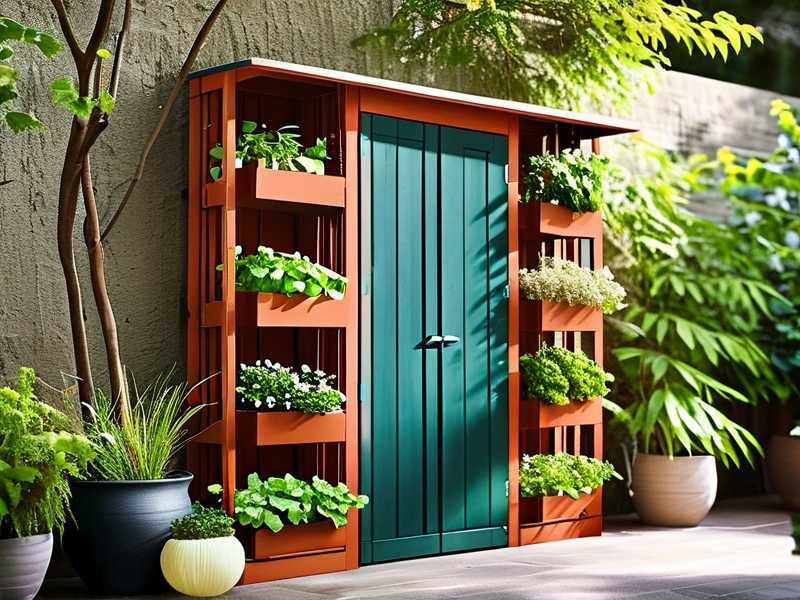
I now use a permanent two-tier shade shelf on my patio. The bottom tier holds my spider plants. The top tier is clear to let light filter through. I added a thermometer right next to the pots. I track soil temperature daily. If it reads above 90°F, I water and shift the shelf. This system has survived two full heatwaves without a single burned leaf.
The truth is, spider plants are not hard to keep during heatwaves. They just need deliberate shade, smart watering, and a little observation. The 2-week experiment proved that to me. Now that I have the shade structure, I worry less. I only check the plants in the morning and once at midday. The rest of the day, they take care of themselves.
If you are staring at a half-burned spider plant right now, do not panic. Cut the bad leaves, fix the watering, and build that shade frame. Your plant will thank you. And honestly, the frame costs less than a new plant. It pays for itself in a single summer. Set it up once, and you will never lose another plant to heat stress again.





