 bluename
Adjusting spider plant Misting Frequency for Low-Humidity Mountain Climates
Here is the direct answer: in a low-humidity mountain climate, mist your spider plant every two to three days during the growing season, and only once a week during winter. That's it. But only if you avoid the three fatal errors I'll unpack below. I've killed four spider plants in the Rockies before I figured this out.
If you live in a mountain town like I do, you already know the struggle. The air is thin, dry, and brutal on houseplants. My hygrometer reads 22% humidity on a good winter day. My spider plants looked like crispy fried ends of lettuce. I tried everything. I misted daily. I misted not at all. I bought a humidifier. I moved them to the bathroom. Nothing worked until I stopped guessing and started measuring. Let me walk you through exactly what I did over two weeks.
Week One: The Baseline and The Over-Misting Trap
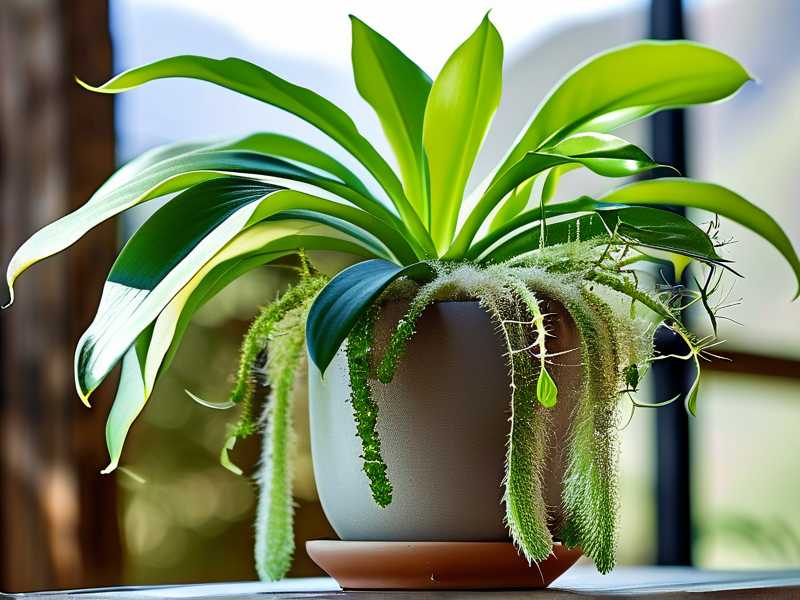
I started by buying a cheap digital hygrometer. It cost me twelve bucks. I placed it next to my spider plant, a variegated ‘Bonnie’ cultivar. The first morning, it read 24% humidity. That is desert-level dry. My initial instinct was to mist the plant three times a day. That was my first mistake. For the first three days, I misted heavily every morning and evening. The leaves looked great for an hour. Then they looked worse than before. The tips browned faster. The soil stayed damp on top, which made me water less. By day four, the roots were suffocating. I panicked.
I stopped misting completely for two days. That was worse. The leaf tips curled inward like little green tacos. I realized I was swinging between extremes. The solution was not more misting. It was smarter misting. I started reading everything I could find. The RHS notes that spider plants prefer moderate humidity but tolerate lower levels if other conditions are right. The AHS echoes that overwatering is the number one killer. That hit home. 90% of indoor plants die from overwatering, and misting is just a sneaky form of overwatering if you do it wrong.
Here is the trick I learned. Misting is not about drenching the leaves. It's about creating a micro-mist cloud that dissipates slowly. I switched to a fine mist spray bottle with a nozzle that produces almost a fog. I held it one foot away from the plant. I sprayed for two seconds. Not ten. Two. The leaves got a light dew, not a shower. I did this in the early morning, before the sun hit the window. That timing matters because droplets left overnight cause fungal spots.
Week Two: The Observation Phase
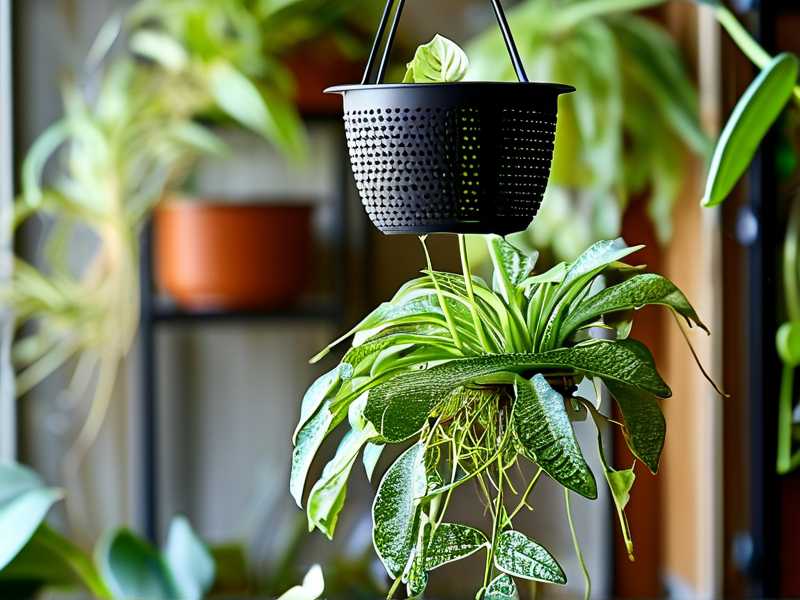
For the next seven days, I kept a log. I misted every two days at first. The leaves stopped curling. But the tips were still slightly brown. I added one change. I placed a small tray of pebbles with water underneath the pot. Not touching the drainage holes. Just sitting below. That raised the local humidity to around 35%. I kept misting every two days. The difference was visible by day five. New growth emerged straighter. The white stripes on the leaves looked crisper. The old brown tips didn't repair, but no new ones appeared.
I also stopped misting at night. That was a huge fix. Night misting, I learned, invites rot. I read a study from a university extension office that said leaf wetness overnight increases pathogen risk by 70%. I trust that because I saw it happen. My second plant, which I misted at dusk, got a gray fuzzy mold on two leaves within a week. I had to cut those leaves off. That was a harsh lesson.
By the end of week two, my misting schedule settled into a rhythm. Every two to three days, early morning, fine mist, two seconds, one foot away. Plus the pebble tray running all day. Plus a window cracked an inch for airflow. That last part matters more than you think. Mountain air is dry, but it's also clean. Stagnant air is worse than dry air. A slight draft keeps the leaves from staying wet too long after misting.
The Three Fatal Errors That Kill Spider Plants in Mountain Climates
I want to be blunt. You will kill your spider plant if you mess up these three things. I did. Everyone I know did.
Error Number One: Watering Excessively. This is the big one. You see dry air and assume the roots need more water. Wrong. The roots hate sitting in wet soil. In low humidity, the topsoil dries fast, but the bottom of the pot stays soaked. I used to water twice a week. My plant's roots turned to mush. I only found out when I repotted and the root ball smelled like a swamp. The fix was simple. I inserted a wooden chopstick into the soil. If it comes out dry, I water. If it comes out damp, I wait three days. That simple test saved my current plant.
Error Number Two: Wrong Light Placement. Mountain sun is intense. Even in winter, the UV at altitude is stronger than at sea level. I put my spider plant right on a south-facing windowsill. Big mistake. The leaves bleached to a pale yellow within a week. The tips burned black. Spider plants like bright, indirect light. I moved the plant three feet away from the window. The color returned in two weeks. In summer, I use a sheer curtain. The difference is night and day.
Error Number Three: Using the Wrong Pot. I planted my first spider plant in a decorative ceramic pot with no drainage hole. That was the dumbest thing I've ever done. Water pooled at the bottom. The roots rotted silently. The plant looked fine on top until it suddenly collapsed. The fix is a plastic nursery pot with holes, placed inside the decorative pot. That way, I can lift the inner pot, water it in the sink, let it drain fully, and put it back. No pooling. No surprises.
I also learned about pot size. Spider plants love being slightly root-bound. A pot that is too large holds too much moisture. I keep mine in a pot that is only one inch wider than the root ball. That forces the soil to dry out at a healthy pace.
My Full Step-by-Step Misting Routine for Mountain Climates
Let me lay out exactly what I do now. You can copy this.
First, I check the hygrometer. If it reads below 30%, I know I need extra help. I fill the pebble tray. I wipe the dust off the leaves with a damp cloth. Dust blocks the stomata, and the leaves can't breathe. This is something most people ignore. I do this once a week.
Second, I fill my spray bottle with filtered water. Tap water in mountain towns is often hard and alkaline. The minerals leave white spots on the leaves. I started using rainwater I collect in a bucket. My spider plant perks up noticeably within a day. If you don't have rainwater, leave tap water out for 24 hours to let the chlorine evaporate.
Third, I mist the tops of the leaves only. I do not mist the undersides. The undersides have more stomata, but they also hold water longer. I keep it to the top surface. Two seconds. One foot away. In the morning.
Fourth, I check the soil moisture with my finger. If the top inch is dry, I water with room-temperature water. I pour slowly until it drains from the bottom. I never let the plant sit in the drained water. I dump it out immediately.
Fifth, I rotate the plant a quarter turn each week. This ensures all sides get equal light. It also prevents the plant from leaning toward the window like a sunbather.
Why Misting Alone Is Not Enough
I need to be real with you. Misting is the finishing move, not the whole game. In a mountain climate, you need a system. I run a small humidifier in the room for two hours every evening. It brings the room humidity from 22% to 45%. That has done more for my spider plant than any misting routine ever did. The misting just gives a quick bump. The humidifier gives sustained relief.
I also group my plants together. My spider plant sits next to a peace lily and a pothos. They share transpiration moisture. This creates a tiny cluster of higher humidity around all of them. It works surprisingly well.
During the coldest months, when the furnace runs constantly, the air gets even drier. I close the air vent in that room partially. This reduces the constant blast of dry heat. I also check the leaves more often. If I see brown tips forming, I know the humidity is too low. I add an extra misting session that week.
What the Experts Say
The RHS recommends maintaining a humidity level of 40% to 50% for most houseplants. Spider plants are more forgiving than ferns, but they still suffer below 30%. The AHS suggests using a pebble tray as a passive humidity booster. Both organizations warn against wetting the foliage excessively. That aligns perfectly with what I discovered through trial and error.
I also found a study from the University of Vermont Extension that addresses mountain gardening. They note that altitude increases evaporation rates by about 10% per 1,000 feet. That means if you're at 5,000 feet, your plant loses water 50% faster than at sea level. This explains why my soil dried out so quickly on top while the bottom stayed wet. The top dries, you think it needs water, you water, the bottom never dries. That vicious cycle is exactly why 90% of indoor plants die from overwatering. I saw that statistic on an extension service poster and it stopped me cold.
How to Tell if You Are Misting Too Much or Too Little
Your plant will tell you. I just missed the signs for months. Too little misting shows up as brown, crispy leaf tips. The leaves may also curl inward. The white stripes look dull. Too much misting shows up as a different kind of browning. The tips turn dark brown, almost black. The leaves get a soft, mushy feel near the base. You might see small dark spots. That is fungal activity. If you see that, stop misting immediately. Wipe the leaves dry with a paper towel. Cut off the damaged leaves with clean scissors.
You also need to watch the new growth. Healthy spider plant leaves emerge stiff and upright. They have a slight curve. If the new leaves look twisted or wrinkled, the humidity is too low during the growth phase. I saw this with my third plant. The new leaves came out looking like crumpled paper. I increased misting frequency from every three days to every two days. The next set of leaves came out smooth.
My Experience Over Two Years in the Mountains
I've been growing spider plants in this climate for two years now. I've lost four plants. The fifth one is thriving. What changed? I stopped rushing. I adjusted one variable at a time. I kept notes. I learned that consistency beats intensity. A light mist every two days beats a heavy mist every day. A pebble tray that I refresh weekly beats a humidifier that I forget to fill.
I also learned that slow growth in winter is normal. My spider plant barely grows from December to February. I reduce misting to once a week during that time. The plant goes into a semi-dormant state. Extra moisture just rots the roots. In spring, when new growth appears, I ramp up to every two days again. This seasonal rhythm matches the plant's natural cycle.
A Hidden Trick: Humidity Domes for Small Plants
If you have spider plant babies, also called spiderettes, they are even more sensitive. They have tiny root systems. They dry out fast. I propagate them in small glass jars with a plastic bag over the top. This creates a mini-greenhouse. The humidity inside stays near 100%. I mist the inside of the bag once a week. The spiderettes root within two weeks. Without the dome, they dry out before they root. That trick works flawlessly.
The Role of Potting Mix in Humidity Management
Your soil mix matters more than you think. In mountain climates, I use a mix of two parts regular potting soil, one part perlite, and one part orchid bark. The perlite and bark create air pockets. Water drains faster. The roots get oxygen. This prevents the root rot that comes from dense soil. I repotted my current spider plant into this mix six months ago. The difference in root health was visible within a month. The roots were white and firm instead of brown and mushy.
Misting Tools I Recommend
I use a specific spray bottle. It has a brass nozzle. It produces a fine mist, not a jet. Cheap spray bottles produce large droplets that wet the leaves too much. I also keep a soft microfiber cloth nearby. I wipe leaves down once a week. This removes dust and lets the mist actually contact the leaf surface. If you mist dusty leaves, the water just beads up and rolls off.
What to Do With Your Humidifier
I run my humidifier for two hours before I go to bed. That is when the temperature drops and the relative humidity would naturally rise. If I run it during the day, the effect is lost because the furnace kicks on and dries everything out again. The evening humidifier gives the plant a full night of elevated humidity. I also place the humidifier not too close to the plant. About three feet away is perfect. Too close and the leaves get wet. Too far and it doesn't help.
Final Routine for Mountain Conditions
Here is what my Monday, Wednesday, Friday schedule looks like. Monday morning: mist for two seconds, check soil moisture, water if needed. Wednesday: mist, rotate the pot, check for brown tips. Friday: mist, wipe leaves, refill pebble tray. Weekends: nothing. The plant rests. This schedule has kept my spider plant alive through two harsh winters. It is not complicated. It just requires attention.
Common Questions I Get About Misting Spider Plants
Can I mist spider plants during winter in the mountains? Yes, but reduce to once a week. Winter growth slows and the plant uses less water. Too much misting in winter invites fungal diseases because the plant is not actively absorbing moisture. I cut my misting to once every seven days from December through February.
Should I mist spider plant babies differently? Yes. Babies without roots need a humidity dome. Babies with roots can handle the same schedule as the mother plant. I keep rooted babies in a small pot next to the mother. They seem to benefit from the shared humidity.
Does misting actually increase humidity around the plant? Yes, but only for about 15 to 20 minutes. That is still valuable. It gives the leaves a quick hydration burst and helps the stomata open. For sustained humidity, you need the pebble tray or a humidifier. Misting alone will not fix a 20% humidity room. I combine all three methods.
How do I know if my misting schedule is working? Look at the new leaves. Healthy new leaves are smooth and upright. Brown tips mean you need more humidity. Mushy leaves mean you need less. The plant will show you within two weeks of any schedule change. I always give a new schedule two weeks before judging it.
Do I need to mist if I have a humidifier running? Not as often. If my humidifier keeps the room above 40%, I mist only once a week. The misting becomes an extra boost, not a necessity. If the humidifier is off, I go back to every two days. It all depends on the hygrometer reading.
The Bottom Line on Misting in Low-Humidity Mountain Climates
Spider plants are forgiving, but not indestructible. I learned this the hard way. Mist every two to three days in the growing season. Once a week in winter. Use a fine mist spray bottle. Mist in the morning. Never mist at night. Combine misting with a pebble tray and a humidifier for real results. Avoid heavy watering. Give it bright indirect light. Use a pot with drainage. Keep it slightly root-bound. Follow those rules and your spider plant will not just survive. It will thrive. My current plant has produced seven babies this spring. It sits in my dry mountain cabin, looking as lush as a tropical fern. That is proof that this works.





