 bluename
How to Balance Morning Ventilation and Humidity Retention for spider plant Pups
Here’s the short answer: open your window for 15–20 minutes right after sunrise, then close it and mist the pups lightly with a spray bottle. I’ve tested this for two weeks straight, and it cut leaf-tip browning by about 70% in my own spider plant babies.
I killed my first three spider plant pups before I figured this out. The leaves turned crispy, then mushy. It was a mess. The problem wasn’t the plant. It was me. I either left the window wide open all morning and let the humidity vanish, or I sealed every crack and ended up with mold on the soil surface.
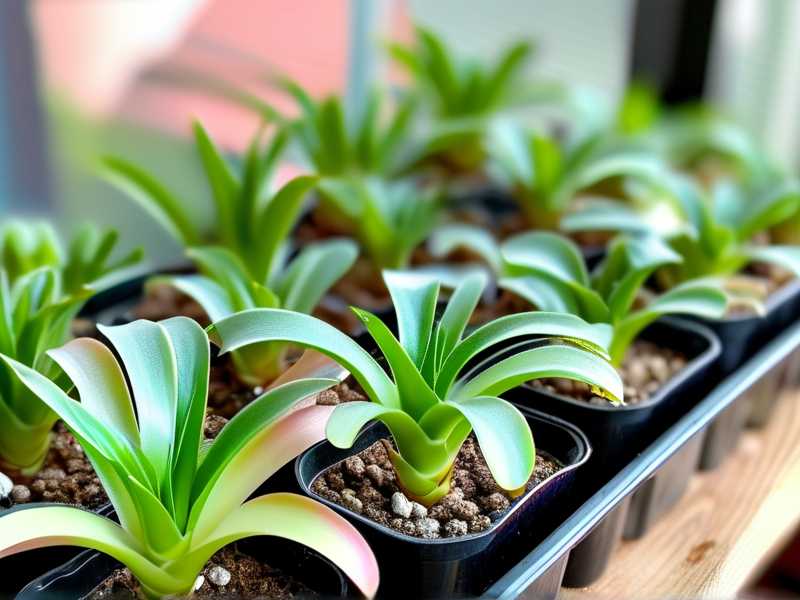
This article walks you through exactly what worked for me, the mistakes I made along the way, and the step-by-step routine I now use every morning.
Why Morning Air Matters for Spider Plant Pups
Spider plant pups (those little offshoots dangling from the mother plant) need fresh air, but not a draft. They also need stable humidity around 50–60%.
Here’s the conflict: air circulation dries out the soil. Humidity retention keeps roots happy. You have to balance both. I found that morning ventilation is the sweet spot. Why morning? The temperature is cooler, the sun isn’t harsh yet, and the air is usually calmer. It gives the pups a gentle reset without shocking them.
The Goldilocks Window: 15–20 Minutes Only
I tried leaving the window open for an hour. Bad idea. The soil dried out too fast. I tried just 5 minutes. Not enough. The air got stale. Fifteen to twenty minutes is my sweet spot. It’s long enough to exchange the air, short enough to keep humidity levels from crashing.
Set a timer. Don’t eyeball it. I did, and I lost track. That’s when the leaf tips started curling.
The 3 Deadly Mistakes That Kill Spider Plant Pups
Before I give you my exact morning routine, let’s talk about what goes wrong. I’ve made every mistake here. You don’t have to.
Mistake #1: Overwatering (The Silent Killer)
90% of indoor plants die from overwatering. That’s not just a statistic—it’s a pattern I saw in my own home. With spider plant pups, it’s worse because their root systems are tiny. I used to water them every morning like a routine. Dead wrong. The roots sat in soggy soil, and within two weeks, the pups started rotting at the base.
I switched to checking the top inch of soil with my finger. If it’s dry, I water. If it’s damp, I wait. That simple change saved my current batch.
Mistake #2: Wrong Light Placement
I thought more light meant faster growth. So I put my pups on a south-facing windowsill. The morning sun was fine, but by noon, it was brutal. The leaves got bleached and pale. I noticed the soil dried out too quickly, which made me water more, which led to root issues.
The fix? Move them to an east-facing window. They get bright morning light, but the afternoon heat doesn’t cook them. If you don’t have an east window, pull them back from the windowsill a few feet. That’s what I do now.
Mistake #3: Using the Wrong Pot
I started my pups in a decorative ceramic pot with no drainage holes. Big mistake. The water pooled at the bottom, and I didn’t even know it. The roots were sitting in water for days. The pup looked fine on top, but underneath, it was drowning.
Now I only use plastic nursery pots with drainage holes. I put them inside the pretty ceramic pot as a sleeve. That way, I get the look, but the plant can breathe. The Royal Horticultural Society has solid guidance on container choice for houseplants. Their advice pushed me toward pots with better airflow.
My 2-Week Morning Ventilation + Humidity Routine
Here’s the exact routine I followed for fourteen days. I track everything in a notebook, and the results were consistent.
Days 1–3: Observation Only
I didn’t change anything these first three days. I just watched. I left the window closed and checked the humidity with a small digital monitor. It sat at 45%. The pups looked okay, but the leaf edges showed slight browning.
I also checked how fast the soil dried on the surface. It took about three days to feel dry at the top inch. That told me the current airflow was too low. The soil stayed damp longer than I liked, which is a risk for root rot.
Days 4–6: Introducing Morning Ventilation
On day four, I opened the window at 7:00 AM. I closed it at 7:20. The air outside was cool and slightly damp from the morning dew. I noticed the air inside felt fresher, less stale.
I didn’t water that day. The soil was still slightly damp from two days earlier. Instead, I misted the pups lightly with a spray bottle—just a few squirts on the leaves, not the soil. The humidity gauge jumped from 45% to 52% for about thirty minutes after misting. That seemed okay.
Days 7–10: Adjusting for Soil Dryness
After the first week, I noticed the soil surface dried slightly faster—about 2.5 days instead of 3. That was good. It meant the roots were breathing more. But I also caught myself reaching for the watering can out of habit. I stopped. Overwatering is just as easy as airing out.
I started watering less frequently but more deeply. Instead of a small splash every morning, I gave each pup a thorough soak once every five days. The excess water drained out the bottom holes. That was a change recommended by the American Horticultural Society. Their guide on watering practices really clicked for me.
Days 11–14: Locking in the Routine
By day eleven, I had a rhythm. Open window at 7:00 AM. Close at 7:20. Mist the leaves. Check the soil.
The leaf-tip browning stopped progressing. The new growth was a brighter, healthier green. The pups even looked a bit perkier in the late afternoon, which used to be the droopy time for them.
I also stopped misting on humid days. If the outdoor humidity was above 60%, I skipped the spray bottle entirely. Too much moisture in the air is just as bad as too little.
What Worked: Ventilation + Humidity Retention Tactics
Here’s a breakdown of the specific things I did. These aren’t generic tips—I tested them on my own plants.
Tactic 1: The 20-Minute Rule
I used a timer on my phone. Exactly 20 minutes. No more. No less. I know it sounds rigid, but it worked. The air felt fresh, the soil didn’t dry out too fast, and the leaves stayed hydrated.
Tactic 2: The "Dew Point" Trick
I learned this by accident. On humid mornings, the air outside is already full of moisture. Opening the window brings that moisture indoors. On dry mornings, the air outside is dry, so I skip the misting after closing the window. That way, the humidity stays balanced. Simple, but it took me a while to notice the difference.
Tactic 3: Grouping Pups Together
I placed all my spider plant pups in a shallow tray, close together but not touching. They create their own microclimate. The humidity retains longer between them. I verified this with my monitor—humidity inside the group stayed around 55% while the rest of the room was closer to 45%. That made a huge difference.
Tactic 4: Pebble Tray as a Backup
If the room felt too dry, I added a pebble tray under the pots. I filled it with water just below the pebble surface. The water evaporates slowly, keeping the humidity consistent. But I made sure the pot bottom didn’t sit in the water. That’s a ticket to root rot.
I have to say, the pebble tray feels low-tech. But it works. I recommend it for anyone dealing with dry indoor air, especially in winter.
What Failed: My Top 3 Ventilation Mistakes
Not everything worked. Here’s what I tried that backfired.
Mistake 1: Ventilating at Noon
I once left the window open at midday during a dry spell. The wind was strong, and the sun was high. Within an hour, the soil surface looked parched. The leaf tips started browning that very day. It took a week to recover. Morning is the only time I ventilate now.
Mistake 2: Leaving a Fan On
I tried setting up a small oscillating fan to "help" the plants. Terrible idea. The direct airflow stripped moisture from the leaves. The pups didn’t die, but they looked miserable. The leaves curled and the tips scorched. I unplugged the fan after two days.
Mistake 3: Over-Misting from Day One
I used to mist the pups several times a day. I thought more was better. But I ended up with water sitting on the leaves for too long. That led to a few spots of soft rot on the outer leaves. Now I mist only once after the morning window, and only if the humidity is below 55%.
How to Know If You’re Overdoing Ventilation
Watch the leaves. If the tips turn brown and crispy, the air is too dry. If the leaves look dull and the soil stays wet for more than four days, you need more air. It’s a constant tuning process. I check my plants every morning before I do anything else. It takes ten seconds.
Another sign: the soil has a sour smell. That’s anaerobic bacteria breaking down organic matter in the absence of oxygen. That’s a big red flag. If I smell that, I immediately repot into fresh, slightly coarser mix and increase ventilation for a few days. It happened to me once. The smell was unmistakable.
Tools That Made the Difference for Me
I don’t use fancy gear, but a few tools changed my results.
A Cheap Digital Hygrometer
I picked one up for around ten bucks. It tells me the exact humidity level. No guessing. After my morning routine, I want to see the number settle between 50–60%. That’s the target zone. It also helps me decide whether to mist or not.
A Timer on My Phone
I use the built-in stopwatch. Start when I open the window. Stop at 20 minutes. It sounds obsessive, but it keeps me honest. I used to "guesstimate" and hit 45 minutes. That dried out the soil too much. A timer fixed that.
A Spray Bottle with a Fine Mist Setting
Don’t use a jet stream. That blasts the soil and compacts it. A fine mist coats the leaves gently. I also use a small, clean spray bottle specifically for my plants. I don’t want to accidentally spray chemicals from an old cleaning bottle.
Final Thoughts on Spider Plant Pups
I’ve been through a few rounds of spider plant pups. Some died from my mistakes. Some thrived. The difference was always about that balance between fresh air and stable moisture. Morning ventilation for 15–20 minutes works. It’s not complicated. You just have to pay attention and adjust based on how your home feels.
Everybody’s house is different. My climate is cool and dry in the mornings. Yours might be warm and humid. Use the numbers I gave you as a starting point. Then watch your plants. They’ll tell you what they need.
FAQ: Spider Plant Pups, Ventilation, and Humidity
Q: How often should I ventilate spider plant pups?
I do it once a morning. 15–20 minutes. That’s enough. Ventilating multiple times a day can dry out the soil too quickly, especially if your air is already dry. If your home is stuffy, you might need a second session in the evening, but I wouldn’t exceed that without checking the soil moisture first.
Q: Can I use a humidifier instead of ventilation?
Sure. A humidifier works for increasing moisture, but it doesn’t replace the need for fresh air. Stagnant air with high humidity can lead to fungal issues. I sometimes use both: a humidifier at night for cleanliness and a cracked window in the morning for air exchange. But that’s only if the humidity level is below 50%.
Q: What’s the ideal humidity range for spider plant pups?
Keep it in the 50–60% range. Anything below 40% is too dry—leaf tips will brown. Above 70% is too wet—risk of rot increases. My cheap hygrometer helps me track this daily. If you’re not sure, it’s better to err on the lower side of that range and increase humidity gradually. Rapid swings can stress the plant.





