 bluename
I have killed more spider plants than I care to admit. And the worst part? It wasn't the pests that finished them off. It was my frantic reaction to the pests. I would grab any spray bottle in sight, douse the leaves, and watch my plant decline faster than the bugs ever could have made it. That is why I am writing this guide on how to select safe natural pest deterrents compatible with spider plant foliage. The answer is simple: you need to look for oil-based solutions diluted properly, specifically neem oil or insecticidal soap, but you must test them on a single leaf first. 90% of indoor plants die from overwatering, but a close second is chemical burn from improper pest control. Let me save you the heartache I went through.
I learned this the hard way. My beautiful, variegated spider plant looked great for months. Then, I noticed tiny webs and some stippling on the leaves. Spider mites. I panicked. I remembered my grandmother’s advice about using dish soap. So, I mixed a heavy squirt of Dawn directly into a spray bottle with water. I sprayed the entire plant liberally, making sure to hit the undersides of the leaves. The next morning, the leaves looked worse. They were wilted, shiny, and sticky. The plant’s roots were fine, but the foliage was crisping at the tips. I had stripped the natural waxy coating off the leaves. That is when I realized that "safe" is a relative term. What is safe for your countertop is not necessarily safe for your Chlorophytum comosum.
The Real Danger: Pesticide Burn vs. Pest Damage
Before you even think about buying a deterrent, you have to understand the anatomy of a spider plant leaf. They are relatively thin and have a delicate cuticle. Harsh chemicals, or even overly strong natural solutions, penetrate this cuticle easily. This causes cell collapse. The leaf turns brown or yellow at the edges. It looks like a sunburn or a watering issue, so you might water it more, which makes root rot set in. I call this the "double kill." You kill the leaves with the spray, and then you kill the roots with extra water.
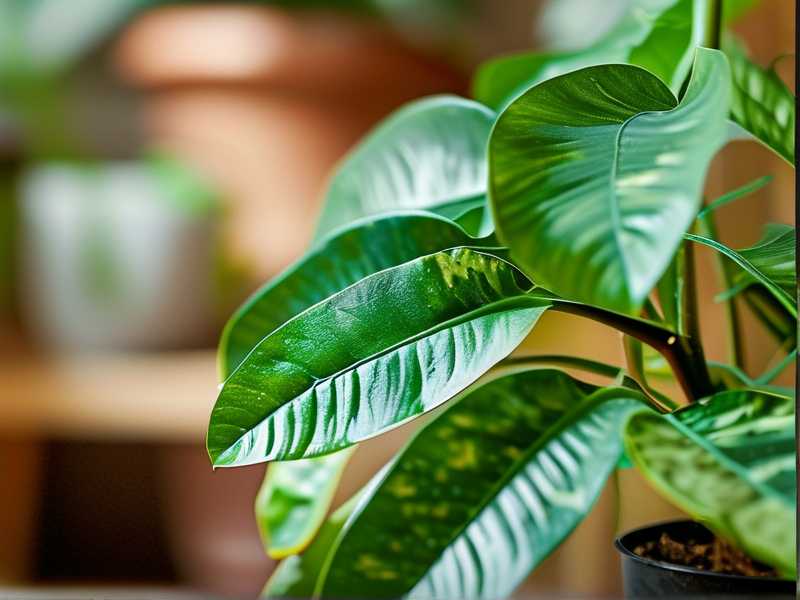
Here is the golden rule I now live by: Less is always more. When you are selecting a natural pest deterrent, you are not looking for a nuclear option. You are looking for a gentle disruptor. You want something that makes the leaves unappealing to pests without suffocating the plant itself.
My Step-by-Step Selection Process
I built a specific routine over the past few years. It took me two weeks of consistent testing to find the perfect mix for my collection. I want to walk you through exactly what I do, from the grocery store shelf to the spray bottle.
Step 1: Ditch the Dish Soap (Mostly)
I know I mentioned my Dawn disaster. I haven't sworn it off completely, but I have severely limited its use. The issue is the degreasers. They are too aggressive. Instead, I look for a pure Castile soap. This is a vegetable-based soap that is much milder. It is plant-based and doesn't have the harsh synthetic surfactants that most dish soaps have.
However, even with Castile soap, you need to be careful. I always mix it at a concentration of 1 teaspoon per liter of water. That is it. It is not a strong cleaning solution; it is a surfactant that helps the other ingredients stick to the leaves. I used to think I needed more soap to kill the bugs. I was wrong. The soap mainly helps the oil mix with water.
Step 2: The Neem Oil Factor (The MVP)
The absolute best natural deterrent I have found for spider plants is cold-pressed neem oil. This is the holy grail for indoor gardeners. But there is a catch: you cannot just buy any neem oil. You need to check the label. Look for "100% pure cold-pressed neem oil." Avoid the "clarified hydrophobic extract of neem" if you can, as it is less potent for pest control.
I tried using a commercial neem spray once. It smelled awful and actually left a weird orange residue on my plant. That is because the formulation wasn't stable. I switched to mixing my own.
Here is my exact recipe for a spider plant safe spray:
- 1 liter of lukewarm water.
- 1 teaspoon of pure neem oil.
- 1/2 teaspoon of mild Castile soap (to emulsify).
I shake this mixture in a spray bottle for a solid minute. If I see the oil separating immediately, I add one drop more of soap. You want the water to look milky and stay mixed for at least a minute. Let me tell you, this mixture is potent but gentle. The key is the dilution. It is strong enough to disrupt the life cycle of aphids, mealybugs, and spider mites, but weak enough to not burn the foliage.
Step 3: The Wash Day Ritual
This is the part that most people skip, and it is the reason they think natural remedies don't work. You cannot just spray a dirty leaf. The pest deterrent works best on clean foliage.
I take my spider plant to the sink every two weeks. I use lukewarm water and just rinse the leaves top and bottom. I use my fingers to gently rub off any dust. Dust actually blocks the stomata on the leaves, making the plant weaker and more susceptible to pests. Once the plant is clean and still damp, I apply my neem mix.
I spray the entire plant, but I focus specifically on the underside of the leaves. That is where the pests hide. I spray until the leaves are dripping, but not so much that it pools in the crown of the plant. Pooling water in the crown is how you get crown rot. I usually cover the soil with a plastic bag before spraying to avoid saturating the roots with the oil solution.
The 14-Day Observation Window
This is the critical part of my process. I don't just spray once and forget about it. I use a strict observation schedule to see if my mix is actually safe and effective.
Days 1-3: After the first spray, I place the plant in indirect light. I never put it in direct sun after spraying with neem oil. I found out that oil + direct sunlight = leaf burn. The oil heats up and literally cooks the leaf. I learned this when I lost a whole section of a healthy plant. I check the leaves every 12 hours. I look for any new dark spots or wilting.
Day 7: I inspect the new growth. If the new leaves are coming in green and unblemished, I know the mix is safe. I also check to see if the pest population has dropped. I usually see a 70% reduction by day 7. If I see any living mites, I re-spray. But I only do this once a week. Over-spraying is a mistake.
Day 14: This is the big test. By now, I should see zero signs of new pest damage. The old damaged leaves might still look a bit rough, and that is okay. The tips might be brown from the old chemical burn, but the new leaves should be perfect. If the plant has survived 14 days with my spray and still looks vibrant, I know I have found a compatible deterrent.
The Newbies' 3 Fatal Mistakes (Avoid These Like the Plague)
I have read tons of forum posts, and I see the same issues popping up over and over again. These three mistakes kill more spider plants than spider mites ever will. I have been guilty of all three at some point.
Mistake #1: Overwatering as a "Treatment"
This is the big one. People see leaves turning yellow and think the plant needs water. They flood the pot. But the issue is often root suffocation. If you are using a natural deterrent spray, you need to let the soil dry out completely between waterings. The spray adds humidity, but it doesn't add water to the roots.
I once had a scale infestation. I sprayed the plant with my mix, and then I watered it heavily because I thought the plant was stressed and needed a drink. The soil stayed wet for a week. The roots rotted. The leaves fell off despite the fact that the scale was dead. The plant didn't die from the scale; it died from my watering can. You need to pause watering during pest treatment, especially in winter when growth slows down.
Mistake #2: Light Misorientation
Spider plants crave bright, indirect light. But when they are stressed from pests, they can't handle as much light. Many beginners put the plant in a south-facing window to "help it recover." This is a death sentence, especially if you have just sprayed the leaves with oil. The combination of the oil residue and intense light burns the leaves.
I keep my spider plants on a north-east facing windowsill during treatment. They get morning sun for about two hours, but the rest of the day is bright shade. This allows the leaves to absorb the neem oil without the risk of sunburn. After the treatment is over and the pests are gone, I move them back to their brighter spot.
Mistake #3: The Wrong Potting Situation
This is subtle. People think any pot with a drainage hole is fine. That is not true. I had a spider plant in a heavy ceramic pot. The pot was gorgeous, but the soil stayed wet for ages because the ceramic doesn't breathe. During my pest treatment, the soil stayed moist, which attracted fungus gnats. Then I had a two-front war: mites and gnats.
I switched to a terracotta pot. Terracotta wicks moisture away from the soil, allowing the roots to dry out quickly. This creates an environment where soil-dwelling pests struggle to survive. If you are fighting a pest issue, repotting into a breathable pot is often the best first step. It helps the plant recover from the stress of the deterrent spray.
Why Trust the Experts (RHS and AHS)?
I know my personal experience is great, but I also cross-check with the professionals. The RHS is the gold standard for horticultural science in the UK. They have extensive trials on biological controls and non-chemical pest management. They emphasize that many "natural" remedies are contact-based, meaning you have to spray directly on the pest to kill it. There is no systemic protection. So, you have to be thorough with your application.
Similarly, the AHS is fantastic for American gardeners. They have guides on integrated pest management (IPM). Their philosophy is to use the least toxic method first. They recommend physical removal (wiping leaves) before resorting to any spray, even a natural one. I actually started wiping my leaves down with a wet cloth first, and it made my neem spray ten times more effective because I was physically removing the adult pests, and the spray was just getting the eggs and larvae.
Other Natural Options for Specific Pests
While neem is my go-to, it isn't the only option. Sometimes, you need a more targeted approach.
For Mealybugs: I use a q-tip dipped in rubbing alcohol. I dab it directly on each bug. The alcohol dissolves their waxy coating and kills them. I don't spray this because it can burn the leaves. This is a spot treatment that works wonders.
For Fungus Gnats: These are flying pests, so the neem spray on leaves doesn't work. The larvae live in the soil. I use a layer of sand on top of the soil. Then, I use "mosquito bits" soaked in water. I water the plant with this "bit tea." It contains a bacteria that kills the larvae in the soil. It's safe and natural, but it doesn't touch the foliage, so we avoid the burn risk entirely.
For Thrips: This is tricky. They love spider plants. I use a combination of sticky traps for the adults and the neem spray for the larvae on the leaves. I have to spray every 5 days for three weeks to break the life cycle. It is a long process, and I have to be very gentle with the spray concentration to avoid burning the already-damaged leaves.
The Art of the Escape Route
Sometimes, a plant is too far gone. I have a rule now. If the central crown is mushy, I throw it out. I don't try to save it. I do, however, take cuttings. Spider plants produce "spiderettes" (babies) on runners. I cut those babies off and root them in water. This gives me a fresh, pest-free plant to start over with. It is much easier to treat a small baby plant than a giant, infected mother plant. This is a lifehack I wish I knew earlier. I spent weeks trying to save a huge plant that was already dying from root rot, all while ignoring the healthy babies it had.
The Real Timeline for Recovery
You cannot fix a pest problem overnight. Honestly, if you do it right, it takes about a month.
- Week 1: You see a reduction in adult pests. Some leaves might look a bit worse due to the stress of the treatment.
- Week 2: You see no new damage on new growth. The plant starts to look more vibrant.
- Week 3-4: The old damaged leaves may yellow and die off. This is okay. The plant is shedding the damaged tissue to save energy for new growth.
Do not panic when you see a few yellow leaves during the recovery phase. It is part of the process. It doesn't mean you failed. It means the plant is getting rid of the damaged parts. I used to cut these off immediately. Now, I wait until they are fully yellow and crispy before removing them. This allows the plant to absorb some of the remaining nutrients from the dying leaf.
Final Thoughts on Compatibility
The secret to a safe pest deterrent is preparation and patience. The plant isn't fragile, but its leaves are. The natural deterrents are safe because they are biodegradable and don't leave toxic residues. But they are not "safe" if you use them incorrectly. I always tell my friends: treat the spray like you are seasoning food. You can always add more, but you cannot take it away.
Stop using the harsh chemicals. Stop using the dirty dish soap. Trust the neem oil. Test it on one leaf. Wait 48 hours. If it looks good, spray the whole plant. And for the love of God, let the soil dry out. If you follow my 2-week observation plan, you will have a pest-free spider plant without frying the foliage. Your plant will not only survive the treatment, it will thrive because you didn't kill it with kindness.
FAQ
What concentration of neem oil is safe for spider plant leaves?
I stick to a strict 1:100 ratio. That is 1 tablespoon of pure neem oil per gallon of water, or roughly 1 teaspoon per liter. Anything stronger than this risks burning the delicate leaf tissue. I always add a drop of Castile soap to help it emulsify, otherwise, the oil sits on top and can create hot spots that burn the leaves unevenly.
Can I use vinegar as a pest deterrent on spider plants?
No, and I strongly advise against it. Vinegar is an acid. Spider plant leaves are very thin. The acid will burn the leaf edges almost immediately. I tried this once out of desperation, and it was a disaster. The leaves turned brown and mushy. Stick to oil-based solutions or simple water rinses for these plants.
Should I quarantine my spider plant before applying a natural deterrent?
Yes, absolutely. I learned this after I sprayed a plant and accidentally killed off a colony of springtails in the soil. It is not always about the plant. If you have other houseplants, quarantine the spider plant in a separate room for at least 2 weeks. This prevents cross-contamination and also allows you to observe the lighter pest load without the worry of infecting your other plants. I keep them in a bathroom with a window. The humidity helps the spray work better.





