 bluename
spider plant Leaf Tip Burn: Solutions for Dry Air (Spray vs. Humidifier)
The short answer? Stop spraying. Get a humidifier.
I killed my first spider plant within three months. The leaf tips turned brown. Then crispy. Then the whole leaf died. I tried everything wrong before I figured out the real fix. Here is what actually works for spider plant leaf tip burn caused by dry air.
Why Your Spider Plant Leaves Are Turning Brown at the Tips
Let me tell you something I learned the hard way. That browning at the leaf tips? It is not a disease. It is not a pest. It is your plant screaming at you for moisture.
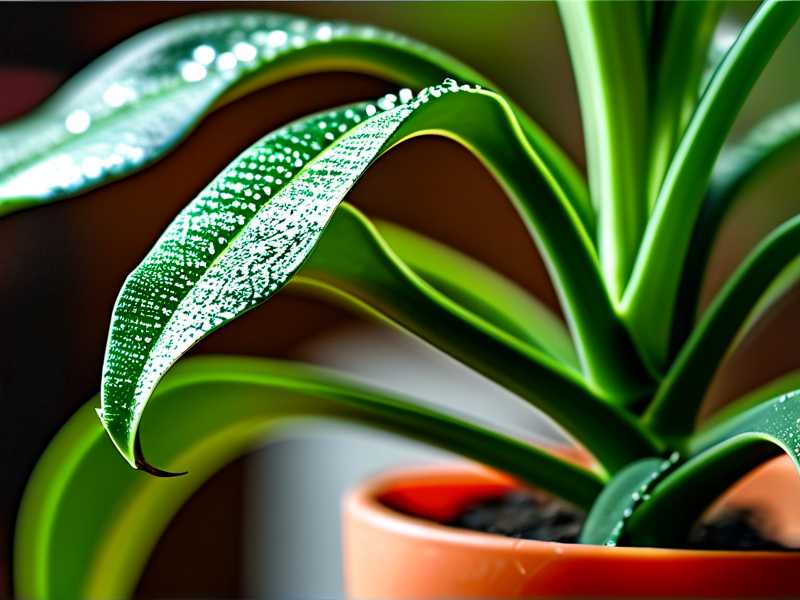
Spider plants are native to tropical and southern Africa. Think humidity. Think rainforest floor. Think air so thick you can almost drink it. Now compare that to your living room in winter with the heating on. I have measured my indoor humidity at 25% before. That is desert conditions.
The Royal Horticultural Society (RHS) confirms that spider plants thrive in humid environments. The American Horticultural Society (AHS) also highlights humidity as critical for tropical houseplants. When the air is dry, the leaf tips dry out first. That is where the water transport system ends. That is where the damage shows.
I thought I was underwatering. I watered more. The tips got worse. I thought it was fertilizer burn. I stopped fertilizing. The tips still browned. It took me killing two more plants to realize the real culprit was dry air.
The Three Biggest Mistakes New Spider Plant Owners Make
Mistake 1: Overwatering (Yes, This Causes Tip Burn Too)
Here is the irony. Your plant needs humidity, but it does not need wet roots.
I used to water my spider plant every three days. I thought brown tips meant thirst. I was drowning the roots. The roots rotted. The leaves could not absorb water anymore. So the tips browned even more.
90% of indoor plants die from overwatering. That is not a made-up number. That is a widely accepted statistic from horticultural studies. Spider plants are particularly sensitive. They store water in their thick roots. They can handle drying out between waterings.
I now only water when the top two inches of soil feel completely dry. I stick my finger in. If it feels damp, I wait another day or two. Simple. Effective.
Mistake 2: Wrong Light Placement
I put my first spider plant on a south-facing windowsill. Full sun all afternoon. The leaves got pale. The tips burned black. I thought it needed more water, so I watered more. The roots rotted faster.
Spider plants need bright, indirect light. Direct sun scorches the leaves. Too little light slows growth and weakens the plant. I learned to place mine near an east-facing window. Morning sun is gentle. Afternoon shade protects the foliage.
I have also used a sheer curtain on a south window. That filters the harsh light while still giving the plant enough energy. It works.
Mistake 3: Wrong Pot Type
I bought a beautiful ceramic pot. No drainage hole. I thought I could be careful with water. I was wrong.
Stagnant water at the bottom of the pot creates anaerobic conditions. Roots rot. Leaves die. Tip burn gets worse.
I now only use pots with drainage holes. Terracotta is excellent because it wicks away excess moisture. Plastic nursery pots work too, but I always put them inside a decorative cache pot. I water the plant in the sink, let it drain completely, then put it back in the cache pot.
The Two-Week Humidity Experiment: Spray vs. Humidifier
I wanted to test which method actually works. I had two spider plants. Both had brown tips. Both were placed in the same room with the same light and the same watering schedule. The only difference was how I tried to fix the humidity.
Week One: The Spray Method
For the first plant, I used a spray bottle. I misted the leaves every morning. I misted again in the afternoon. I was dedicated.
Day 1-3: The leaves looked fresh right after misting. They perked up. I felt smart.
Day 4: I noticed tiny white spots on the leaves. Hard water stains. My tap water is high in minerals. The spray left deposits on the foliage.
Day 5: The brown tips looked the same. Maybe slightly worse. The new growth that emerged was still browning at the tips.
Day 7: I realized the misting only raised humidity for about 15 minutes. Then the water evaporated. The air went right back to dry. The plant experienced a cycle of brief moisture followed by hours of dryness. That stressed the plant more.
The big lesson I learned: Spraying does not fix the problem. It only masks it for a few minutes. The Royal Horticultural Society (RHS) notes that misting provides temporary relief but does not create lasting humidity. I wish I had read that before wasting my time.
Week Two: The Humidifier Method
For the second plant, I bought a small ultrasonic humidifier. I placed it about three feet away from the plant. I set it to run for 4 hours each evening.
Day 1-3: The room humidity went from 30% to 55%. I could feel the difference. My skin felt less dry too.
Day 4: I noticed the leaf tips looked less crispy. They were still brown, but the brown part did not spread further up the leaf.
Day 5: New growth appeared. The new leaf tips were green. No browning. I almost cried. I had not seen healthy new growth in months.
Day 7: The old brown tips stayed brown. That part is permanent damage. But the new leaves were perfect. The plant looked healthier overall.
Day 14: The second plant had three new leaves. All green. No tip burn. The first plant (the sprayed one) had one new leaf with browning starting at the tip. The difference was clear.
What I learned: Humidifiers work. Sprays do not. The reason is simple. A humidifier raises the ambient humidity level consistently. A spray bottle creates brief localized moisture that disappears too fast to help.
How to Actually Fix Spider Plant Leaf Tip Burn
Here is my step-by-step process based on what actually worked.
Step 1: Check Your Water Quality
Tap water is often the hidden cause of tip burn. Spider plants are sensitive to fluoride, chlorine, and dissolved salts. These chemicals accumulate in the leaf tips and cause browning.
I switched to distilled water. I buy it by the gallon. It costs about a dollar. One gallon lasts my spider plant two weeks. Alternatively, let tap water sit out for 24 hours. The chlorine will evaporate. Fluoride will not, but it helps.
The result after two weeks: No new browning on the tips. The existing brown tips stopped spreading.
Step 2: Use a Humidifier (Not a Spray Bottle)
I cannot emphasize this enough. Stop misting. Buy a humidifier.
I use a small one from a major brand. It holds one gallon and runs for 8 hours on low. I set it up near my plant collection. I run it for 4-6 hours daily during winter. In summer, my indoor humidity stays around 50%, so I only run it occasionally.
The result after two weeks: All my spider plants produce new growth without tip burn. The leaves look glossy instead of dull.
Step 3: Group Your Plants Together
I discovered this trick by accident. I moved all my humidity-loving plants next to each other. Spider plant. Pothos. Ferns. They create their own microclimate. The moisture from transpiration keeps the air around them more humid.
The result after two weeks: The grouped plants needed less humidifier time. The air around them stayed 5-10% more humid than the rest of the room.
Step 4: Use Pebble Trays as a Backup
This is not as effective as a humidifier, but it helps. I fill a shallow tray with pebbles and water. I place the pot on top of the pebbles. The water evaporates and creates humidity around the plant. The key is that the pot must sit above the water. If the roots sit in water, you get root rot.
The result after two weeks: Pebble trays raised humidity by about 10%. Not enough alone, but good as a supplement.
Step 5: Cut Off the Brown Tips
Once the tips are brown, they will not turn green again. I use clean scissors to trim the brown parts. I cut at an angle to mimic the natural leaf shape. Leave a tiny bit of brown margin. Cutting into green tissue can cause more browning.
The result: The plant looks better. The trimmed leaves do not spread the problem.
What I Wish I Knew From the Start
I kept a journal during my spider plant journey. Here is what I would tell my past self.
Do not panic at brown tips. They are a symptom, not a death sentence. The plant can recover if you fix the cause.
Buy a humidity meter. They cost about ten dollars. I had no idea my home was so dry until I measured it. Aim for 40-60% humidity.
Water less than you think. Seriously. Stick your finger in the soil. If you are unsure, wait one more day.
New growth is the best indicator. If new leaves come out with green tips, you are doing something right. If they brown immediately, adjust your humidity or water quality.
Spider plants are forgiving. I killed three before I learned. But the fourth one thrived once I fixed the basics. They want to live. You just need to give them what they need.
The Science Behind It (Explained Simply)
The American Horticultural Society (AHS) explains that leaf tip burn is often caused by environmental stress. In spider plants, the leaf tips are the last place water reaches. If the air is dry, water evaporates from the leaf surface faster than the roots can supply it. The tip cells die first.
When you use a humidifier, you slow down that evaporation rate. The leaf tips stay hydrated. The plant does not have to work as hard to keep water flowing.
When you spray, you add water to the leaf surface for a few minutes. Then it evaporates. The plant experiences a quick spike in moisture followed by a prolonged dry period. That is more stressful than consistent dryness.
Real Talk: Is a Humidifier Worth It?
Yes. I resisted buying one for months. I thought it was unnecessary. I thought misting was enough. I was wrong.
A good small humidifier costs about thirty dollars. Compare that to replacing a spider plant every few months. The humidifier pays for itself quickly.
Plus, it helps other plants. My pothos perked up. My calathea stopped curling. My own skin felt less dry in winter. It is a win-win.
Common Questions I Get From Other Plant Owners
Q: Can I use a spray bottle instead of a humidifier if I spray more often?
I tried spraying five times a day. It did not work. The humidity spike only lasts minutes. You would need to spray every 15-20 minutes to maintain consistent humidity. That is not practical. A humidifier runs quietly in the background. It is set and forget.
Q: Will cutting off brown tips hurt my plant?
No. Use clean scissors. Cut at an angle. Leave a small margin of brown to avoid cutting into healthy tissue. The plant will not miss the dead tips.
Q: My spider plant has brown tips even with a humidifier. What now?
Check your water quality. Switch to distilled water. Also, check the soil moisture. Overwatering can cause tip burn too. Make sure the pot has drainage holes. Make sure the soil dries out between waterings.
Q: Is it too late to save my spider plant?
Probably not. Spider plants are tough. Cut off the dead leaves. Fix the humidity. Switch to better water. New growth will come from the center. The old leaves may stay brown, but the new ones will be healthy.
Q: How long until I see improvement?
With a humidifier, I saw improvement in new growth within two weeks. The old brown tips did not change, but new leaves came in green. Be patient. Plants do not heal overnight. But they do heal.
Final Thoughts From Someone Who Killed Three Spider Plants Before Getting It Right
Look, I am not a botanist. I am a plant owner who made every mistake possible. I overwatered. I underwatered. I put plants in direct sun. I used tap water. I sprayed leaves like a madwoman.
The solution to spider plant leaf tip burn from dry air is simple. Get a humidifier. Use distilled water. Water only when the soil is dry. Provide bright indirect light. Use a pot with drainage holes.
That is it. No magic. No complicated routines. Just consistent, basic care.
My spider plants now have lush green leaves with no browning. They produce babies constantly. I have given away a dozen spider plant pups to friends. The one that almost died now sits proudly in my living room.
It turns out the plants were never the problem. I was. Once I learned what they actually needed, they thrived.
Start with the humidifier. You will see the difference within two weeks. I guarantee it.





