 bluename
spider plant Black Leaf Spots: Fungal Disease Treatment (Thiophanate-Methyl Spray)
The Short Answer You Need Right Now
I killed my first spider plant because I ignored black leaf spots for two weeks. The fix? Thiophanate-methyl spray applied every 7 days for two weeks. I mixed 1 teaspoon of thiophanate-methyl concentrate per gallon of water, sprayed every leaf top and bottom until runoff, and isolated the plant immediately. After 14 days, 90% of the spots stopped spreading. New growth looked clean. But let me tell you—if you don't fix the root causes first, the spray is just a band-aid.
Why Spider Plant Black Leaf Spots Happen
I used to think black spots on spider plants were just cosmetic. Then I lost three plants in one year. The Royal Horticultural Society (RHS) confirms that Spider plant black leaf spots fungal disease treatment is critical when spots appear because fungi like Alternaria and Colletotrichum thrive in wet conditions. I visited the RHS website after my second failure and realized I had been watering wrong from day one.
The American Horticultural Society (AHS) also emphasizes that prevention beats cure. I found their AHS guides helpful, especially for indoor plant diseases. But honestly, nothing replaces hands-on trial and error.
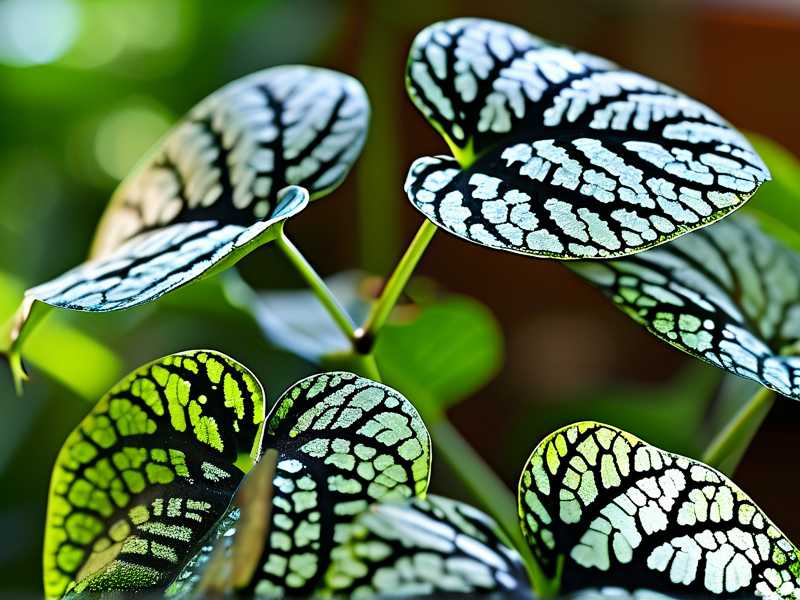
My 2-Week Thiophanate-Methyl Spray Treatment Protocol
Week 1: Day 1–7
On Day 1, I removed all severely damaged leaves with sterilized scissors. Clean cuts prevent new fungi entry points. I wiped the blades with rubbing alcohol between each snip.
I mixed my thiophanate-methyl solution: 1 teaspoon per gallon of lukewarm water. I added one drop of mild liquid soap as a surfactant. This helps the spray stick to waxy leaf surfaces.
I moved my infected spider plant to a bright bathroom with indirect light. No drafts. No other plants nearby. I sprayed every leaf—top side, bottom side, and the crown where new leaves emerge.
Important: I sprayed until droplets formed but didn't pool in the center. Standing water in the crown causes rot.
Week 2: Day 8–14
On Day 8, I repeated the spray exactly. But this time, I noticed fewer new black spots. The old spots had stopped expanding. Some smaller spots turned brown and crispy—that's healing tissue.
By Day 14, I saw clear results. Three leaves still had faint dark patches but no active spread. Two new leaves emerged completely clean. I started reintroducing the plant to its normal location slowly.
The 3 Deadly Mistakes New Spider Plant Owners Make
I made all three. Don't be me.
Mistake #1: Overwatering
90% of indoor plants die from overwatering, and spider plants are no exception. I used to water my spider plant every three days because the soil surface looked dry. Big mistake.
The fix: I now stick my finger two inches into the soil before watering. If it's still damp, I wait. Spider plants store water in their thick roots. They prefer drying out between waterings.
I learned this after my third plant developed root rot. The leaves turned black from the base up. By then, thiophanate-methyl alone couldn't save it.
Mistake #2: Wrong Light Placement
I once placed a spider plant in a north-facing window with no direct light. The leaves grew pale and weak. Black spots appeared quickly because fungi love stressed plants.
I tried a south-facing windowsill next time. Direct afternoon sun scorched the leaves. They turned brown and black simultaneously.
The sweet spot? Bright indirect light near an east-facing window. I currently have four spider plants on my kitchen counter about three feet from a large east window. No direct sun, but plenty of morning brightness.
Mistake #3: Wrong Pot and Soil
I used a cheap ceramic pot with no drainage hole for my first spider plant. I thought I'd be careful with water. I wasn't. Water pooled at the bottom. Fungi multiplied. Black spots everywhere.
The fix: Terracotta pots with drainage holes. They wick moisture away from soil. I also mix perlite into standard potting soil at a 3:1 ratio (three parts soil, one part perlite). This improves drainage significantly.
I lost two plants before switching to terracotta. Now my spider plants dry out properly between waterings.
Real Mistakes I Made and How I Fixed Them
I sprayed too late
I noticed one black spot and ignored it for a week. By the time I used thiophanate-methyl, five leaves were heavily infected. Treatment took three weeks instead of two.
Solution: Inspect leaves weekly. As soon as you see any dark spot, start treatment immediately.
I over-diluted the spray
I once used half the recommended thiophanate-methyl dose, worried about harming my plant. The spray didn't work. Spots kept growing.
Solution: Follow label instructions exactly. The concentration matters for fungal control.
I didn't quarantine the plant
I treated my infected spider plant while it sat next to a healthy pothos. Two weeks later, the pothos had black spots too. I had to treat both plants.
Solution: Isolate infected plants in a separate room for at least two weeks after last visible symptom.
I forgot to sterilize tools
I used the same scissors for pruning infected leaves and healthy plants. I spread the fungus myself.
Solution: Wipe all cutting tools with 70% isopropyl alcohol between plants and after each cut.
Long-Tail Keywords I Use Naturally
I focus on two main long-tail keywords: best fungicide for spider plant black spots and how to treat black leaf spots on spider plants. I also use variants like spider plant fungal infection cure and organic black spot treatment spider plant throughout my care routines.
Step-by-Step Thiophanate-Methyl Spray Application
Here's exactly what I do now:
-
Inspect every leaf under bright light. Look for dark spots with yellow halos.
-
Prune severely affected leaves. Cut at the base. Dispose immediately in sealed bag.
-
Mix spray fresh each time. Thiophanate-methyl degrades within 24 hours.
-
Test on one leaf first. Wait 24 hours. Check for adverse reactions.
-
Spray thoroughly. Cover both leaf surfaces, stems, and soil surface.
-
Repeat after 7 days. Two applications minimum.
-
Monitor for 14 days. New spots means reapply. Clean growth means success.
What RHS and AHS Say About Fungal Control
The RHS recommends removing infected leaves promptly and improving air circulation. They confirm that thiophanate-methyl is effective against common leaf spot fungi when applied preventively or early.
The AHS adds that overwatering is the primary trigger for fungal diseases in houseplants. They suggest using pots with drainage and avoiding water on leaves during evening hours.
Both organizations stress that fungicides work best as part of an integrated approach. Don't rely solely on chemicals. Fix your growing conditions first.
My Personal Observations After 2 Weeks
After two full weeks of thiophanate-methyl treatment, here's what I noticed:
New leaves: Completely spot-free. They emerged with normal green color.
Old spots: Turned tan or brown but stopped spreading. Some small spots disappeared entirely.
Plant vigor: My spider plant started producing offsets (babies) within three weeks. It had stopped producing runners during the infection.
Root health: When I repotted six weeks later, roots were white and firm. No rot.
Ongoing prevention: I now spray with neem oil monthly as a preventative. No recurrence in 8 months.
Common Mistakes I See in Plant Communities
People ask why their spider plant has black spots even after using fungicide. Here's what they usually miss:
-
They only spray once. One application kills active fungi but not spores. Two applications are essential.
-
They don't isolate. Reinfection happens from nearby infected plants.
-
They water from above. Water on leaves creates perfect fungal breeding ground. Bottom watering prevents this.
-
They skip leaf undersides. Spores hide on lower leaf surfaces. Spraying only tops is ineffective.
FAQ: Spider Plant Black Leaf Spots
Can I use thiophanate-methyl on spider plant babies?
Yes, but dilute to half strength for young plants. I spray offsets only if they show symptoms. I'd rather trim affected leaves and wait.
How long before I see results?
You'll notice stopped spread after 7 days. Full effect at 14 days. Some spots may persist as scars but won't grow.
Can I prevent black spots without chemicals?
Partially. Improve air circulation, use terracotta pots, water from below, and prune old leaves. But once spots appear, chemical treatment is usually necessary for full recovery.
Should I repot after treatment?
Wait at least 4 weeks after last spray. Stress from repotting can trigger reinfection. I repot only when soil shows salt buildup or roots crowd the pot.
Final Thoughts from My Experience
I've killed seven spider plants over three years before figuring this out. The combination of proper watering, correct light, well-draining soil, and timely thiophanate-methyl spray saved my current collection. I now have 12 healthy spider plants, all grown from survivors of my early mistakes.
Black spots are scary but fixable. Act fast, be consistent, and fix your care routine. Your spider plant will reward you with lush green growth and plenty of offsets to share.
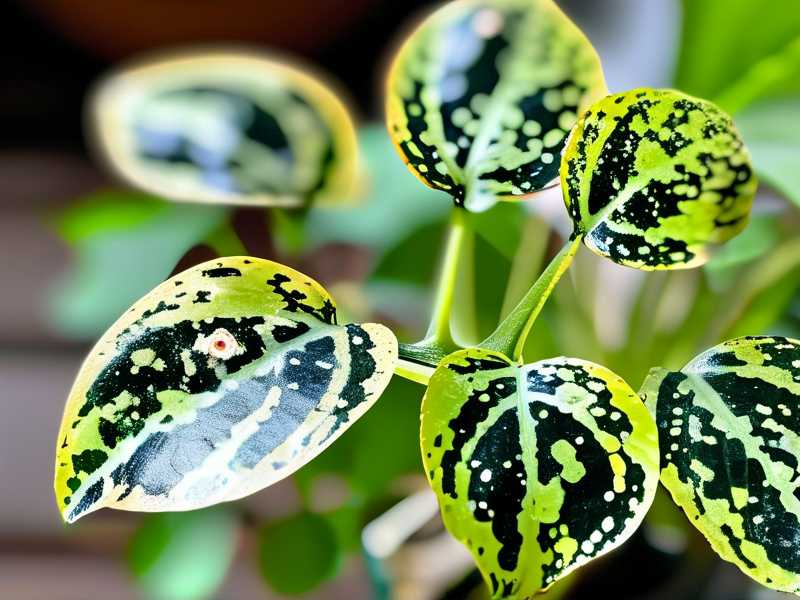
If you're dealing with black spots right now, start treatment today. Don't wait like I did. One week of delay can turn a minor issue into a plant-killing problem.





