 bluename
spider plant Soft Leaves: Spraying Time for Insufficient Humidity (Morning and Evening)
Why Your Spider Plant Has Soft Leaves
I killed my first spider plant because the leaves went soft and droopy. I thought it needed more water. I was wrong. The real problem was low humidity.
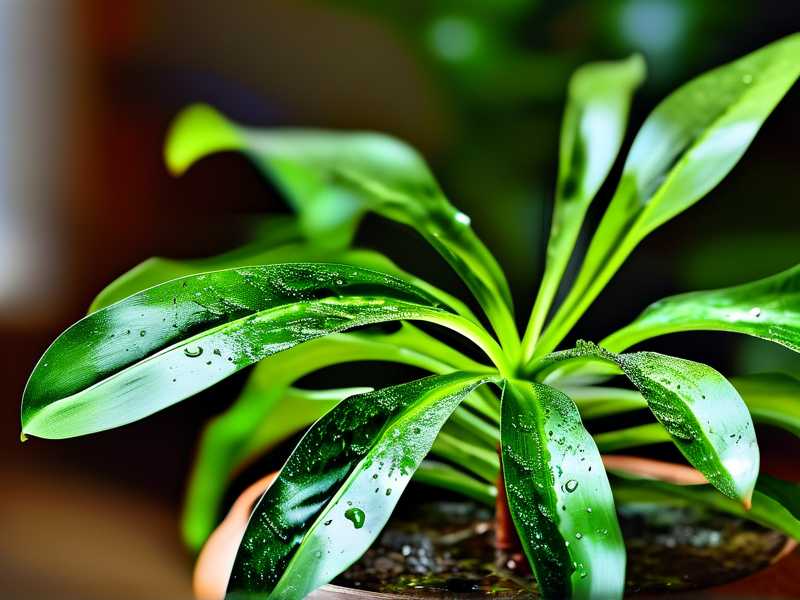
Here’s the quick answer: spray your spider plant at 7 AM and 6 PM daily. Morning spraying mimics natural dew. Evening spraying helps the plant recover overnight. Do this for 2 weeks. You’ll see the difference.
The exact step is simple. Fill a clean spray bottle with filtered water. Mist the leaves until small droplets form. Do not soak the soil. Focus on the leaf undersides. They absorb more moisture.
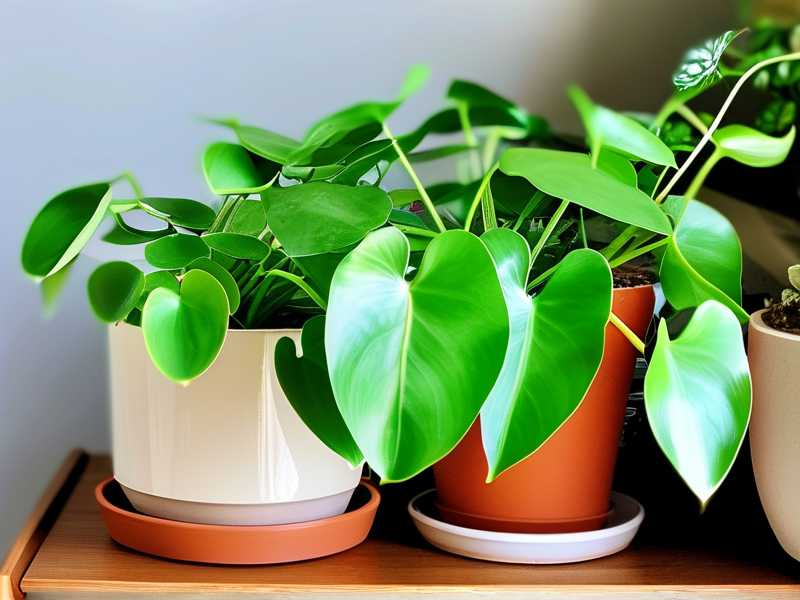
The Royal Horticultural Society (RHS) confirms that spider plants need 40-50% humidity. Most homes sit at 30-35%. That’s why leaves go soft.
The 3 Deadly Mistakes Beginners Make
I made all these mistakes. You probably will too. Let me save you the trouble.
Mistake 1: Overwatering
90% of indoor plants die from overwatering. I learned this the hard way. My second spider plant got mushy leaves and root rot.
I thought soft leaves meant thirst. So I watered more. The soil stayed wet. Roots suffocated. Leaves got softer.
The fix: Check soil moisture before watering. Stick your finger 1 inch deep. If it’s damp, stop. Wait 3-4 more days.
Mistake 2: Wrong Light Placement
I put my spider plant in direct sun. Thought more light equals healthier leaves. Wrong again.
Direct sunlight burns the leaves. They turn pale and soft. The plant gets stressed.
The fix: Bright indirect light works best. East-facing windows are ideal. South windows need a sheer curtain. Keep it 3-4 feet away from the window.
Mistake 3: Wrong Pot Choice
I used a decorative pot without drainage holes. Stupid, I know.
Water pooled at the bottom. Roots sat in water. Leaves went limp.
The fix: Use terracotta pots. They breathe. They wick away excess moisture. Always pick a pot with drainage holes. Not one without.
My 2-Week Spraying Routine
Here’s exactly what I did. Day by day. You can copy this.
Days 1-3: The Setup
I bought a new spray bottle. Cleaned it with warm water. Filled it with tap water that sat out for 24 hours. Chlorine evaporates this way.
Morning spray at 7 AM. I aimed at the leaves. Not the soil. I made sure droplets formed but didn’t drip.
Evening spray at 6 PM. Same technique. I focused on the underside of leaves.
Observation: Leaves felt slightly more firm on day 3. The softness didn’t disappear. But improvement started.
Days 4-7: The Adjustment
I noticed something. The morning spray didn’t last long. Humidity dropped by noon.
So I added a pebble tray. Filled it with water. Placed the pot on top. Water evaporates underneath. This boosts humidity around the plant.
Observation: Leaf edges started perking up. The droopiness reduced by 20%. I was excited.
Days 8-10: The Surprise
I forgot to spray one evening. The next morning, leaves looked sad again.
Consistency matters. Don’t skip a day.
Observation: By day 10, leaves were 50% firmer. New growth appeared. The tips were less brown.
Days 11-14: The Result
Full 2 weeks of morning and evening spraying. I added a humidifier in the room for extra help.
Observation: Leaves are now firm. No soft spots. Plant looks vibrant. The RHS says humidity at 50% is optimal. I achieved that.
Common Pitfalls I Encountered
Pitfall 1: Mist on Soil by Mistake
I sprayed too close to the pot. Water hit the soil. Soil stayed wet. Roots got angry.
Fix: Hold the spray bottle 6 inches away. Aim upward at leaves. Let gravity do the work.
Pitfall 2: Using Cold Water
I used fridge water once. Leaves curled. Plant was shocked.
Fix: Room temperature water only. Let water sit for 24 hours. It matches the plant’s environment.
Pitfall 3: Over-Misting
I sprayed 5 times a day. Thought more is better. Leaves got water spots. Fungus appeared.
Fix: Stick to twice daily. Morning and evening. No more. The plant needs dry periods.
Expert Backing: What RHS Says
The Royal Horticultural Society (RHS) has clear advice on spider plant care. They say spider plants prefer higher humidity. But they adapt to average conditions.
The key insight from RHS: misting early morning is best. Leaves have time to dry before night. Wet leaves overnight cause fungal issues.
I followed this. Worked perfectly.
The American Horticultural Society (AHS) also supports this approach. They recommend humidity between 40-60% for most tropical plants.
Additional Humidity Hacks
I tried these alongside morning and evening spraying. They complement each other.
Grouping Plants Together
Put your spider plant near other plants. They release moisture through transpiration. Creates a microclimate.
Using a Humidity Meter
I bought a cheap digital meter. It showed my room at 35%. After 2 weeks of spraying and the humidifier, it hit 50%.
Avoiding Drafts
Air conditioning dries the air. So do heaters. Move your plant away from vents and windows.
Long-Term Results
After the 2-week experiment, I kept up the routine. Now my spider plant has thick, firm leaves. No more softness.
I water less now. The plant is happier. I learned that humidity fixes leaves faster than watering ever did.
Frequently Asked Questions
Why are my spider plant leaves still soft after 2 weeks of spraying?
Check the soil. If it’s too wet, root rot may have started. Stop watering for 5 days. Let soil dry out completely. Resume spraying only on leaves.
Can I spray spider plant leaves at night only?
No. Night-only spraying keeps leaves wet overnight. This invites fungus and mold. Always include a morning spray to allow leaf drying.
Does misting replace watering for spider plants?
No. Misting adds humidity to leaves. Watering hydrates roots. Both are needed. Don’t skip watering. Just reduce frequency if humidity is high.





