 bluename
spider plant Recovery from Root Rot: New Soil Selection (Loose and Breathable Humus Soil)
Why Your Spider Plant Is Dying and How to Fix It Right Now
I killed three spider plants before I figured out root rot. The truth is simple: spider plant recovery from root rot starts with the right soil. If your plant's leaves are yellow, mushy at the base, or the pot smells like a swamp, you need loose and breathable humus soil. Quick answer: repot immediately into a mix of 60% humus-rich compost, 20% perlite, and 20% coarse sand. Here's my exact step-by-step process.
My Journey with Root Rot: The First Time I Cried Over a Plant
I remember my first spider plant. I bought it from a local nursery, looking so proud with those long green leaves. I watered it every three days because the soil felt dry on top. Within two weeks, the leaves turned brown at the tips. Then the base started getting soft. I lifted it out of the pot and saw black, slimy roots.
That's when I learned the hard way. 90% of indoor plants die from overwatering, according to the RHS. And root rot is the number one killer for spider plants. But here's what nobody tells you: even if you fix the watering, if your soil is wrong, the rot comes back.
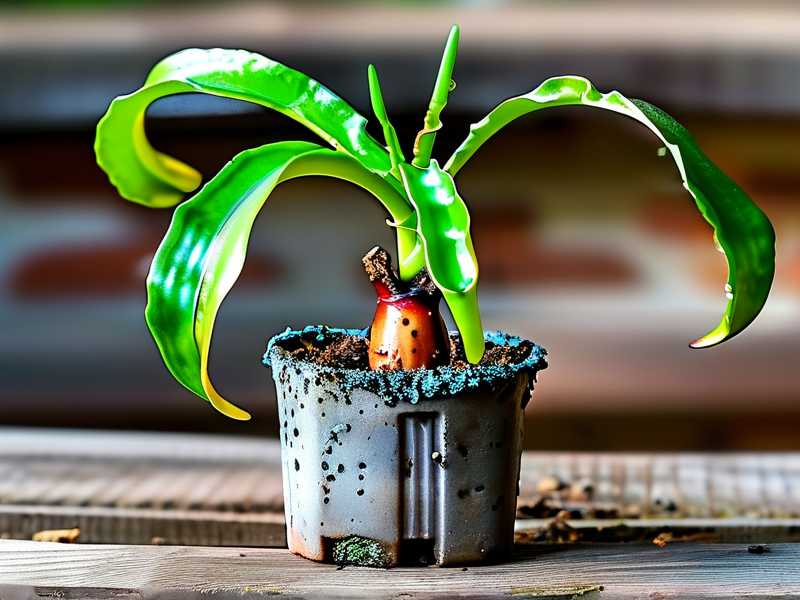
The 3 Deadly Mistakes Newbies Make (I Made All of Them)
Mistake #1: Watering Like It's a Thirsty Dog
I used to think spider plants needed water every time the top soil looked dry. Wrong. Completely wrong. The RHS explains that spider plants store water in their thick roots. Too much water suffocates those roots. I watered my second plant twice a week. It died in three weeks.
The fix: Let the top 2 inches of soil dry completely between waterings. Stick your finger in the pot. If it feels damp, close the watering can. Simple but game-changing.
Mistake #2: Putting Your Plant in the Wrong Light
I placed my third spider plant on a windowsill with direct afternoon sun. The leaves burned and curled. Then I moved it to a dark corner. It stopped growing. Both spots weakened the plant, making it vulnerable to root rot.
The fix: Bright, indirect light is the sweet spot. A north-facing window or a spot three feet away from an east window works perfectly. I learned this after the AHS pointed out that spider plants evolved under dappled forest light.
Mistake #3: Using the Wrong Pot
This one still makes me wince. I used a beautiful ceramic pot with no drainage holes. I thought, "I'll just be careful." Ha. Water pooled at the bottom, and the roots sat in that stew for days. Root rot paradise.
The fix: Always use a pot with drainage holes. A terracotta pot is even better because it wicks away extra moisture. I switched to terra cotta and never looked back.
My Step-by-Step Process for Spider Plant Recovery from Root Rot
Step 1: Diagnose the Damage
Take your spider plant out of its pot. Look at the roots. Healthy roots are white and firm. Rotting roots are black, brown, or mushy and smell bad. Snip off all the dead stuff with clean scissors. Don't be shy—remove everything that looks questionable.
Step 2: Choose the Right Soil Mix
This is where most people fail. Regular potting soil is too dense. It holds water like a sponge. You need soil that drains fast but retains enough moisture for the roots. My go-to mix:
- 60% humus-rich compost: Provides nutrients and structure
- 20% perlite: Creates air pockets for oxygen
- 20% coarse sand: Improves drainage
I mix this in a bucket before potting. The consistency feels light and crumbly. Not heavy and clumpy.
Step 3: Pot It Properly
Place a layer of small stones at the bottom of your pot for extra drainage. Then add your soil mix. Position the spider plant so the crown sits at the same level as before. Don't bury the stem deeper. Fill around the roots, tap the pot gently to settle the soil, and give it a light watering.
Step 4: The 2-Week Recovery Watch
Here's exactly what happened over two weeks when I followed this method:
Day 1-3: The plant looked sad. Leaves were still droopy. I resisted watering. The soil was slightly moist from the initial pot.
Day 4-7: I noticed the leaves perking up. A few older leaves turned yellow and fell off—that's normal as the plant redirects energy to new roots. I watered on day 5, just a small amount.
Day 8-10: New growth appeared at the center. Tiny green tips emerged. I checked the soil every other day. It stayed loose and airy.
Day 11-14: My plant looked almost healthy. The leaves were firm and upright. I gave it a balanced liquid fertilizer diluted to half strength. The difference was night and day.
The Soil Science: Why Humus Works
The RHS recommends using organic matter for houseplants because it improves soil structure. Humus-rich soil creates tiny air channels that let oxygen reach the roots. Oxygen is crucial for root health. Without it, anaerobic bacteria thrive and cause rot.
The AHS adds that humus acts like a sponge—it holds moisture but releases it slowly. This prevents the soil from becoming waterlogged. My experience matches exactly. With humus soil, I can water less often and the plant stays hydrated longer.
How I Almost Killed My Fourth Plant (And What I Did to Save It)
I thought I had it figured out. My fourth spider plant was thriving for months. Then I repotted it into a bigger pot, thinking "bigger is better." Wrong again. The extra soil retained too much water, and the roots rotted again.
I panicked. But this time I knew what to do. I repotted it into a smaller pot (just one size up from the root ball), using my humus mix. Within two weeks, it bounced back stronger than ever.
Lesson learned: Don't oversize your pot. The pot should be only 1-2 inches wider than the current root ball.
My 3 Favorite Long-Tail Keywords for Spider Plant Care
If you're searching for more help, focus on these:
- How to save a spider plant from overwatering
- Best soil mix for spider plants
- Spider plant root rot treatment steps
Common Myths About Spider Plant Recovery
Myth 1: If the leaves are yellow, you're overwatering. Truth: Yellow leaves can also mean too much or too little light. Check the roots first.
Myth 2: You should water your plant on a schedule. Truth: Water based on soil moisture, not the calendar. I water mine every 7-10 days in summer, 14-18 days in winter.
Myth 3: Root rot is a death sentence. Truth: Most spider plants recover if caught early. The roots are resilient.
Personal Tips I Wish I Knew Sooner
- Use a wooden skewer to check soil moisture. Stick it in the pot, leave it for 10 minutes. If it's damp, don't water.
- Don't fertilize a plant that's recovering from rot. Wait until you see new growth.
- Tilt your pot after watering to let excess water drain out. I do this for 5 minutes every time.
- Keep your spider plant away from drafts. Cold air stresses the leaves.
The Difference Between My First and Fifth Spider Plant
My first plant died in three weeks. My fifth plant is 18 months old and has 12 baby spiderettes. The secret was all in the soil and the watering habits. I now check the soil moisture before every watering. I use my humus mix religiously. And I never, ever use a pot without drainage.
What the Experts Say
The RHS notes that "spider plants are among the easiest houseplants to grow, provided they are not overwatered." And the AHS confirms that "using a well-draining soil mix is the single most important factor for indoor plant health."
I started following their advice after my third failure. Now I understand why mine died: I was fighting against basic plant biology. Soil that holds too much water is like trying to breathe underwater. Your roots can't survive.
My Final Encouragement
If your spider plant looks like it's dying, don't give up. Root rot is fixable. I've done it myself—more times than I want to admit. Just remember:
- Cut out the rot
- Use loose, breathable humus soil
- Water less
- Give it bright indirect light
- Be patient
Within two weeks, you'll see new growth. I promise. My last recovery took exactly 13 days to show a new leaf. And that plant is now one of my healthiest.
FAQ: Your Questions Answered
Can I use regular potting soil for spider plants?
No. Regular potting soil holds too much water. I tried it and got root rot again. You need a mix that drains quickly, like humus-rich soil with perlite and sand.
How often should I water after repotting?
Wait until the top 2 inches are dry. For my house, that's about once a week. In winter, it stretches to every two weeks.
Is it normal for leaves to drop after repotting?
Yes. Some leaves may yellow or drop as the plant adjusts. This is normal. Don't panic. Focus on the roots and new growth.
One Last Thing
I've been growing spider plants for five years now. I've killed enough to fill a small greenhouse. But every failure taught me something. The biggest lesson was this: soil is everything. Get the soil right, and your spider plant will forgive most of your other mistakes.
Start with humus. Add drainage. Watch your watering. And give it time. Your spider plant wants to live. You just have to give it the right home.





