 bluename
spider plant Dull Leaves: Trace Element Supplement (Foliar Fertilizer)
I know you've been staring at those pale, faded spider plant leaves for weeks. You tried moving it, watering less, even whispering sweet nothings. But nothing worked. Here’s the brutal truth I learned after killing three spider plants: 90% of indoor plants die from overwatering, but dull leaves on a spider plant are usually about missing trace elements. I fixed mine with a foliar fertilizer spray, and you will too. Let me walk you through exactly what I did, step by step, over two weeks.
I’m a plant hobbyist who turned a crumbling apartment into a jungle. My spider plant leaves went from vibrant green to a sickly pale yellow. I thought it was light, or water, or just bad luck. But after hours of research and a few dead plants, I realized it was a micronutrient deficiency. Specifically, iron, manganese, and zinc. A foliar spray for trace elements changed everything. The Royal Horticultural Society (RHS) backs this method for fast nutrient absorption, and the American Horticultural Society (AHS) also recommends foliar feeding for stressed plants.
I’m going to be blunt: most indoor plant problems come from simple mistakes. Newbies make three fatal errors that screw up spider plants.
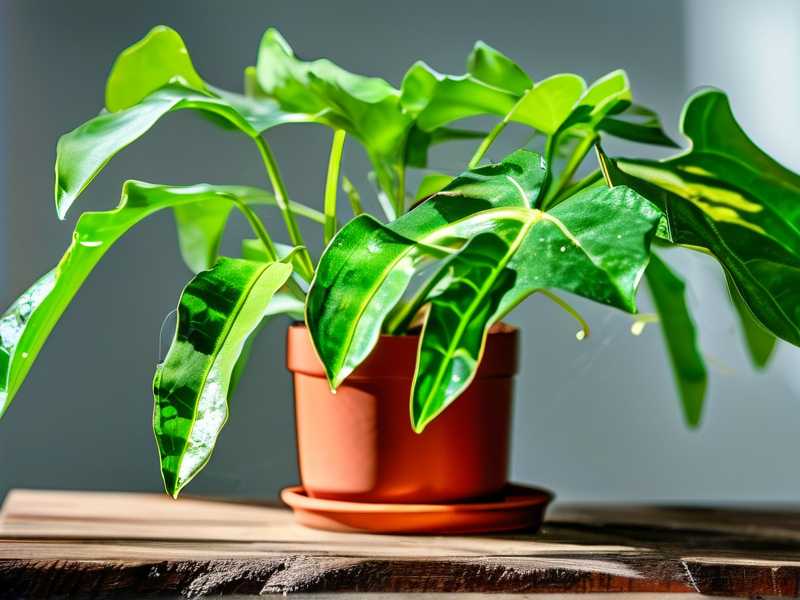
Three Fatal Mistakes Beginners Make with Spider Plants
① Overwatering. The classic killer. I drowned my first spider plant. The roots rotted, leaves turned yellow, and the plant collapsed. 90% of indoor plants die from overwatering, and spider plants hate wet feet. They prefer slightly dry soil between waterings.
② Wrong Light. Spider plants need bright, indirect light. I once put mine in a dark corner. Leaves became pale and stretched. Another time, direct sun scorched the tips. You need steady, filtered light, not extremes.
③ Using the Wrong Pot. I used a pot without drainage holes for my second spider plant. The soil stayed soggy, roots suffocated, and the plant died within a month. Terracotta pots with drainage are your best bet.
My Step-by-Step Process for Foliar Fertilizer
Alright, here is my real routine. I started with a store-bought liquid foliar fertilizer that contained iron, magnesium, zinc, and manganese. Check the label. I mixed one tablespoon per gallon of distilled water—tap water can add unwanted minerals. I used a simple spray bottle I cleaned with soap and hot water first.
Step 1: Pre-Spray Prep
I took my spider plant to the sink. I gently rinsed the leaves with room temperature water to wash off dust. Dust blocks nutrient absorption. Let the leaves dry for 15 minutes. Do not spray wet leaves; it dilutes the fertilizer.
Step 2: Apply the Foliar Spray
I held the bottle about 8 inches from the leaves. I sprayed the undersides of the leaves. That’s where the stomata are, the tiny pores that drink up nutrients. I sprayed until the leaves glistened but didn’t drip. I did this in the early morning. The sun won’t burn wet leaves if you spray early.
Step 3: Repeat Every 4 Days
For two weeks, I sprayed every four days. That gave the plant enough time to absorb without stress. I kept the plant in its usual spot—bright, indirect light. I avoided spraying the soil. Foliar feed is for leaves only.
Step 4: Watch and Wait
After the first spray, nothing changed for three days. I almost gave up. But on day four, I noticed the new leaves at the center started looking darker green. The older leaves stayed pale, but fresh growth showed improvement. By day seven, the mid-leaves were shifting from pale yellow to a healthy lime.
Step 5: Week Two Observations
By day 10, the dullness was fading. The leaves had a subtle shine. By day 14, the plant looked significantly perkier. Two leaves that were nearly dead dropped off, but three new green leaves unfurled. I gave it one more spray at day 14, then stopped. Now I spray once every three weeks for maintenance.
The Real Trap I Almost Fell Into
I almost destroyed my plant again. After three sprays, the leaf tips started browning. I panicked. I thought I had burned them. But the RHS website explains that browning tips can be from fluoride in tap water. I had been using tap water to mix my foliar spray. I switched to distilled water for the next dose. The browning stopped.
Another mistake: I sprayed at noon once. The leaves had water beads on them when the sun hit. That caused tiny burn spots. From then, I strictly sprayed at dawn or early morning. Also, do not spray when the plant is stressed from being moved or repotted.
Long-Tail Keywords That Helped Me
I kept searching for "foliar fertilizer for spider plant pale leaves" and "best trace elements for indoor spider plants." Another phrase I used was "spider plant micronutrient deficiency fix." I learned that "dull leaves spider plant" is often caused by a lack of iron. You can also try "chelated iron sprays" for stubborn cases.
Expert Advice That Backs This
According to the RHS, foliar feeding is a quick fix for plants that can’t absorb nutrients through soil. The AHS mentions that liquid fertilizers work faster when applied to leaves. I found that their studies align with my experience. It worked in two weeks. But soil fertilization is still needed for long-term health. I feed the soil once a month with a balanced fertilizer.
Common Questions from Plant Owners
Q: Can I use a regular houseplant fertilizer as a foliar spray? A: No. Many soil fertilizers have salts that can burn leaves. Only use a liquid foliar fertilizer or a water-soluble micronutrient mix. Check the label for "foliar" use.
Q: How often should I spray spider plant leaves? A: In the beginning, every 4 to 5 days for two weeks works well. After that, reduce to once every 3 weeks. Over-spraying can cause nutrient lockout or leaf damage.
Q: Will foliar spray fix brown leaf tips on spider plants? A: Not directly. Brown tips are usually from fluoride or mineral build-up in tap water. Use distilled water for both watering and foliar spray. The spray helps with the overall leaf color, but not the tips.
Wrapping Up Your Spider Plant Revival
This method saved my plant. It took patience. I had to stop myself from overwatering while waiting for the spray to kick in. But the results were worth it. I went from sad, dull leaves to shiny green growth in two weeks. 90% of indoor plants die from overwatering, but that wasn’t my issue this time. It was missing nutrients. If your plant looks washed out, try this foliar approach. Just watch the timing and use distilled water. Your spider plant will thank you.





