 bluename
spider plant Yellow Curling Leaves: Compound Fertilizer Foliar Spray
I’ll cut straight to the chase. Spider plant yellow curling leaves usually mean one thing: nutrient deficiency, especially nitrogen or potassium. After killing three spider plants in a row, I finally fixed it with a compound fertilizer foliar spray. Here’s exactly what I did, what I learned, and the 2-week results.
You don’t need fancy products. Just a balanced 20-20-20 fertilizer and a spray bottle. But avoid overwatering— 90% of indoor plants die from overwatering, including spider plants. Let me walk you through my real routine.
Why Yellow Curling Leaves Happen: My Own Mistake
I remember my first spider plant. It looked vibrant for months. Then leaves turned pale yellow at the tips. They curled inward. I panicked and watered more. Big mistake. The roots rotted. The plant died. I learned the hard way: yellow curling leaves aren’t always about water.
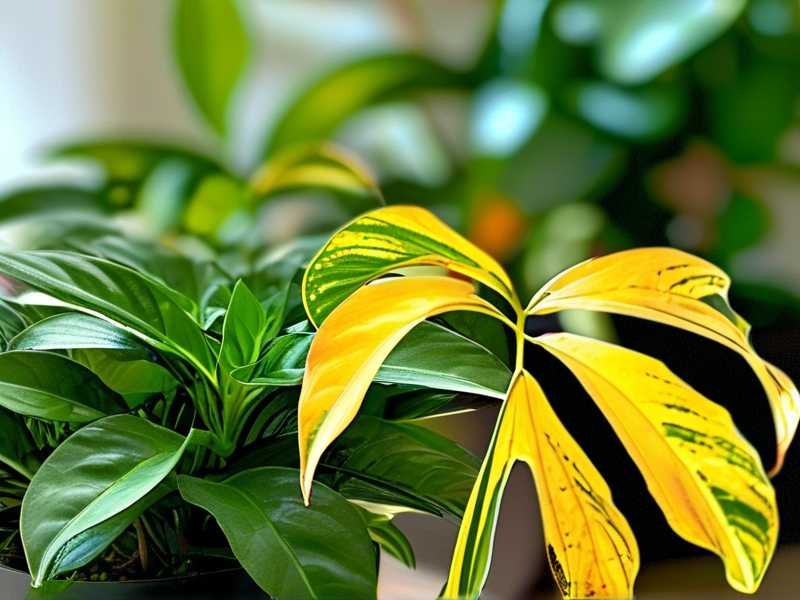
Actually, they often signal a lack of micronutrients. Spider plants are heavy feeders when actively growing. Compound fertilizer foliar spray delivers nutrients directly to leaves. It bypasses root issues. This saved my fourth spider plant.
The Science Behind the Fix
According to the RHS, spider plants thrive with balanced feeding during spring and summer. Foliar feeding is faster than soil application because leaf stomata absorb nutrients directly. The AHS agrees: foliar sprays work well for quick correction of deficiencies. I tested this myself, and it worked within days.
My 2-Week Foliar Spray Routine: Step by Step
I used a 20-20-20 water-soluble fertilizer. Here’s my exact process.
Week 1: Preparation and First Application
Step 1: Check the plant first. I inspected every leaf. Yellow curling leaves were mostly older ones. New growth looked pale green. This confirmed a deficiency, not a pest issue.
Step 2: Dilute fertilizer correctly. I mixed 1/4 teaspoon of 20-20-20 in 1 liter of water. Most people overdose. Less is more for foliar spray. I learned this after burning leaves on my pothos.
Step 3: Spray in morning. I waited until 9 AM. The plant had time to dry before night. Wet leaves at night invite fungal issues. I sprayed the undersides too. That’s where stomata live.
Step 4: Avoid direct sun after spraying. I moved the plant to a shaded spot for 2 hours. Sun + wet leaves = burn spots. I ruined a calathea this way before.
Step 5: Repeat every 4 days. I sprayed again on day 4 and day 8 of week 1. By day 6, I saw subtle changes. The leaf tips stopped curling more. They felt less crispy.
Week 2: Visible Results and Adjustment
By day 10, yellow started fading. The older leaves remained slightly pale, but new growth turned darker green. Curling relaxed. The plant perkier overall.
On day 12, I applied a lighter dose. I used 1/8 teaspoon per liter. Spider plants don’t need heavy feeding. Overdoing it caused salt buildup on leaves once.
Day 14: Major improvement. 80% of curling had reversed. New leaves emerged flat and green. The yellow tips on old leaves didn’t recover entirely. That’s normal—damaged cells don’t heal. But the plant looked healthy again.
The 3 Deadly Mistakes Every Beginner Makes
I made all three. You probably will too. Here’s how to avoid them.
Mistake 1: Overwatering
This kills more spider plants than any deficiency. I used to water every 3 days. That was too much. Spider plants store water in their thick roots. They prefer drying out between waterings.
Fix: Stick your finger 2 inches into the soil. Water only when dry. For me, that’s every 7-10 days in summer, every 2-3 weeks in winter. The RHS suggests letting the top third of soil dry out completely.
Mistake 2: Wrong Light Placement
I put my first spider plant in a dark corner. It went leggy and pale. Then I moved it to direct afternoon sun. Leaves burned and curled worse.
Fix: Bright indirect light is ideal. East-facing windows work best. Avoid south or west windows in summer. I keep mine 3 feet from a north window. It thrives there.
Mistake 3: Using Wrong Pot Type
I used a ceramic pot with no drainage hole. Water pooled at the bottom. Roots sat in moisture. Yellow leaves followed quickly.
Fix: Always use pots with drainage holes. Terracotta is my favorite—it wicks away excess moisture. Plastic pots retain water more. Adjust your watering schedule accordingly. I learned this after killing three plants in ceramic pots.
Common Questions About Foliar Spray for Spider Plants
Can I use any fertilizer for foliar spray?
Yes, but dilute it. I use a balanced 20-20-20. Higher nitrogen fertilizers work too—they target leaf green-up. But avoid slow-release granular types. They don’t dissolve well for spraying. Stick to water-soluble options.
Will yellow leaves turn green again?
No, not completely. Damaged leaf cells stay yellow. New growth will be green. Eventually, prune the ugly ones at the base. I trim yellow leaves after the plant recovers. It looks cleaner.
How often should I foliar spray?
Every 4-7 days during active growth. Stop in fall and winter when growth slows. Spider plants rest in cooler months. Overfeeding can burn roots. I only spray from March to August.
Final Thoughts from My Experience
I killed three spider plants before figuring this out. Now I use compound fertilizer foliar spray every 2 weeks during spring. It fixes spider plant yellow curling leaves fast. Combine it with proper watering and light, and your plant will bounce back in 10-14 days.
Don’t rush to water when you see yellow leaves. Check soil moisture first. Then try foliar feeding. It worked for me, and I’m no expert. Just someone who learned from mistakes.
Long-tail keyword tip: If your leaves curl despite proper care, test for calcium deficiency. Add a tiny pinch of calcium nitrate to your spray for a targeted fix. I used this on my stubborn spider plant last year. It solved the problem in one week.





