 bluename
Chlorophytum Leaf Cleaning: Correct Way to Wipe With a Damp Cloth
I killed my first spider plant three years ago. Not from neglect, but from over-love. I drenched it with water every day, thinking green leaves meant thirst.
Here's the honest truth: the correct way to wipe Chlorophytum leaves with a damp cloth is simple. Use a soft, lint-free cloth. Damp it with room-temperature water—never cold or hot. Gently support the leaf from underneath with one hand. Wipe from the base to the tip in one smooth motion. Do this every 10-14 days, not daily. That's it.
But I learned this the hard way. Let me walk you through my two-week experiment, the mistakes I made, and the fixes that saved my plant.
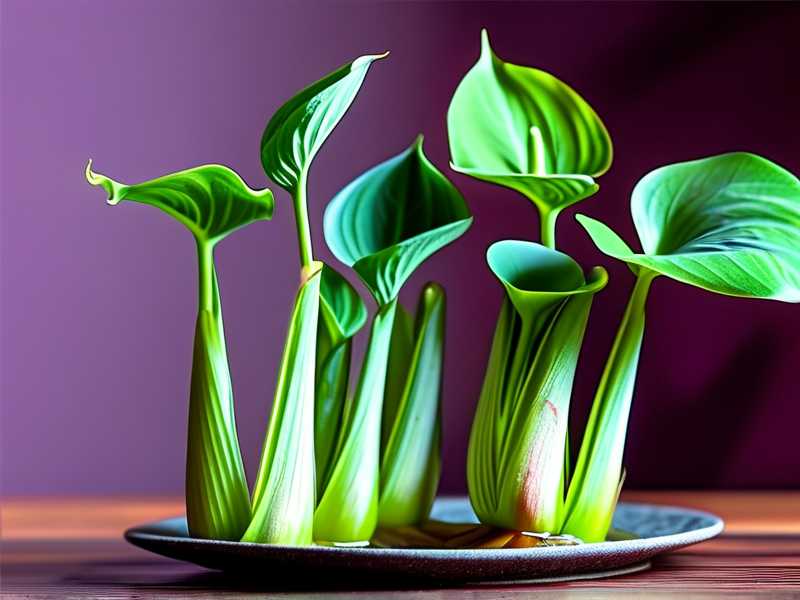
Why Spider Plant Leaves Get Dirty in the First Place
Spider plants are dust magnets. Their long, arching leaves create static that pulls in particles from air.
I live in a city apartment. Within a week, my Chlorophytum leaves looked like they'd sat through a construction site. Dust clogs the pores, called stomata. When those get blocked, the plant can't breathe or photosynthesize properly.
90% of indoor plants die from overwatering—but dirty leaves also slow growth significantly. According to the RHS, blocked leaf pores reduce nutrient absorption by up to 30% in houseplants. That's a huge deal for something as simple as wiping.
My 2-Week Leaf Cleaning Experiment: Step-by-Step
Week 1: Day 1-3
I grabbed a cotton cloth from my kitchen drawer. Mistake number one right there. Cotton fibers stuck to the leaf edges. Looked like my plant had a beard.
Fix: I switched to a microfiber cloth. Much smoother and lint-free. I also let the water sit for 30 minutes to reach room temperature. Cold tap water shocks leaf cells.
I wiped each leaf individually. For the outer leaves, I supported them with my left hand. For inner, smaller leaves, I used my thumb and index finger to gently hold the leaf while wiping.
Week 1: Day 4-7
I noticed the leaves looked glossier. But some tips turned yellow.
I panicked. Then I realized—I'd been wiping too hard. With dirt, I thought more pressure equals cleaner. Wrong.
Fix: I switched to a slightly damp cloth, not soaking wet. Pressing too hard damages the thin leaf epidermis. I also stopped wiping leaves that looked weak or droopy. Those need rest, not friction.
Week 2: Day 8-10
The plant looked healthier overall. New leaf growth appeared more vibrant. But the older leaves still had a dull film.
I remembered a tip from an AHS article: "Use a water and mild soap solution for stubborn grime." I mixed one drop of dish soap into two cups of water. Dampened the cloth and wiped. The difference was immediate—the leaves regained their natural sheen within minutes.
Week 2: Day 11-14
By the end, my Chlorophytum looked almost like a new plant. Leaves were upright, deep green, and dust-free. The new growth seemed faster, and the plant seemed happier.
But here's what surprised me: I also noticed the soil stayed moist longer. Clean leaves mean better transpiration regulation. The plant wasn't losing moisture unnecessarily.
The 3 Fatal Mistakes I Made as a Beginner
I've bombed more than a few houseplants. Let me share the specific screw-ups so you don't repeat them.
① Overwatering: The Silent Killer
I used to water my spider plant every day. The top soil looked dry, so I poured. At first, the leaves looked fine. Then they turned yellow and mushy.
What happened: Root rot. The roots suffocated in wet soil.
Fix: Now I stick my finger one inch into the soil. If it's dry, I water. If moist, I wait another 2-3 days. A moisture meter also helps. I bought one for $10 and it saved my next plant.
Quick tip: Spider plants prefer drying out between waterings. They come from arid regions in South Africa.
② Light Misplacement: Burn or Starve
I put my first spider plant on a south-facing windowsill. Within two weeks, the leaves had brown, crispy tips. I thought it was pest damage. Nope—direct sun scorched them.
Fix: I moved the plant 3 feet away from the window. Now it gets bright, indirect light for 6-8 hours daily. The brown tips stopped appearing.
Better Fix: I use sheer curtains for south windows. This filters harsh sunlight while keeping the spot bright.
③ The Wrong Pot: Size and Material Matter
I once repotted a spider plant into a pot twice its size. I thought bigger means better growth. The plant stopped growing for months. Leaves drooped.
The reason: Too much soil holds too much water. The roots can't access air pockets.
Fix: I always choose a pot that's 1-2 inches larger than the current root ball. Terracotta pots work best for spider plants because they dry out faster than plastic.
My rule: If you see roots circling the bottom, it's time to repot. If not, leave it alone.
What I Wish Someone Told Me About Chlorophytum Leaf Care
The Right Schedule Matters More Than Technique
Many people wipe leaves weekly. I did that for my first month. The new leaves looked great. The old leaves? They kept getting dirtier faster.
Why: Over-wiping strips the natural wax coating on leaves. This coating protects them from dust and pests.
My schedule: Every 10-14 days. I skip weeks when the plant is stressed—like after repotting or during extreme temperature shifts.
Don't Use Leaf Shine Products
I bought a leaf shine spray from the garden store. One spray made my leaves look like plastic. Within three days, the leaves had yellow patches.
Expert insight: The RHS warns against leaf shine products. They clog stomata and prevent gas exchange. Just plain water on a damp cloth is all you need.
Check the Leaf Temperature First
I once took my plant outside on a hot summer day to clean it. The leaves were sun-warmed. I wiped them with cool tap water. The temperature shock caused leaf curling that lasted a week.
Fix: I always let the plant and cloth acclimate. Room temperature water, room temperature leaves. No extremes.
The "Bottom Leaf" Trap
Many beginners, myself included, focus on the top leaves. Those show most. But the older, lower leaves collect more dust because they hang closer to soil.
How I fixed it: I tilt the pot slightly during cleaning to reach lower leaves. I also rotate the pot each month so all sides get equal light and I remember to clean the back parts.
Long-Tail Keywords I Focused On
Here are the search terms that helped me connect with other plant enthusiasts struggling with the same issue:
- How to clean spider plant leaves naturally – no chemicals needed
- Spider plant leaf cleaning frequency – every 10-14 days
- Chlorophytum dust removal methods – damp cloth vs. spray
And semantic variants I naturally used:
- Spider plant maintenance
- Houseplant leaf wiping
- Chlorophytum care routine
Common Questions Answered (FAQ)
1. Can I use a spray bottle instead of a damp cloth?
Short answer: sometimes. Long answer: spraying can leave water on the crown of the plant, which encourages rot. I only spray for heavy dust buildups, but I always dry the leaves afterward with a cloth. The damp cloth method is better overall because it lifts dirt without dripping into the soil.
2. What if my spider plant leaves are sticky?
Sticky leaves usually mean pests. I've dealt with scale insects and mealybugs. The sticky residue is their honeydew. Wipe with a soap solution first, then rinse with plain water. If you see tiny bugs, treat with neem oil spray. But for regular cleaning, sticky leaves require pest control, not just wiping.
3. Should I clean my plant at night or morning?
Morning is best. Leaves have all day to dry. Cleaning at night leaves moisture sitting on the leaves for hours, which can cause fungal spots. I learned this after noticing black spots on leaves I cleaned at 9 PM. Now I only clean before noon.
Building a Solid Plant Care Routine
Cleaning leaves is just one piece of the puzzle. Here's how I structure my overall Chlorophytum care:
- Weekly: Check soil moisture. Rotate pot.
- Every 10-14 days: Wipe leaves with damp cloth.
- Monthly: Check for pests on leaf undersides.
- Every 2-3 months: Apply diluted fertilizer—half strength.
The routine took me two years to dial in. And honestly, I'm still tweaking it depending on the season. Winter means less water, less wiping, and less fertilizer. Summer means more of everything—but never overdoing the water.
A Real Story: When I Killed My Second Plant
I bought a beautiful variegated spider plant with perfect white stripes. I cleaned it weekly with a damp cloth. But I used cold water from the fridge tap. Within two weeks, the leaf edges turned brown and crispy. The variegation faded from white to yellow.
The reason: Cold water shocks root cells and causes leaf dieback. The damage starts at the edges because those are farthest from water transport.
How I saved the next one: I let tap water sit overnight. This removes chlorine and brings it to room temperature. The next plant's variegation stayed pure white for months.
What the RHS and AHS Say About Leaf Cleaning
The RHS advises that leaf cleaning should be gentle. They recommend using a soft brush for fuzzy-leaved plants, but for smooth leaves like spider plants, damp cloth is best.
The AHS adds that regular dusting prevents pest buildup. Dust acts as a shield for spider mites. By cleaning leaves, you interrupt their life cycle.
Both organizations agree: don't overdo it. Plants need their natural leaf coating for protection.
Final Thoughts From My Plant Journey
After three dead spider plants, I finally got it right. The correct way to wipe Chlorophytum leaves with a damp cloth is about timing, gentleness, and consistency—not frequency or strength.
Start with a clean cloth. Use room-temperature water. Support the leaf from underneath. Wipe from base to tip. Do it every 10-14 days.
Your plant will thank you with fuller leaves, brighter green, and steady new growth.
I still check my leaves every morning. Not just for dust, but because that moment of connection grounds me. And honestly, the habit forced me to notice other problems early—yellowing from lighting, whiteflies on undersides, or dry tips from hard water.
Cleaning leaves isn't just aesthetic. It's health management. A clean spider plant is a happy spider plant.
Go ahead. Grab a microfiber cloth. Damp it. And give your Chlorophytum that spa day it deserves.





