 bluename
Pet-friendly Chlorophytum: Hanging Placement to Avoid Being Chewed by Pets
The Quick Answer: Hang Your spider plant High and Right
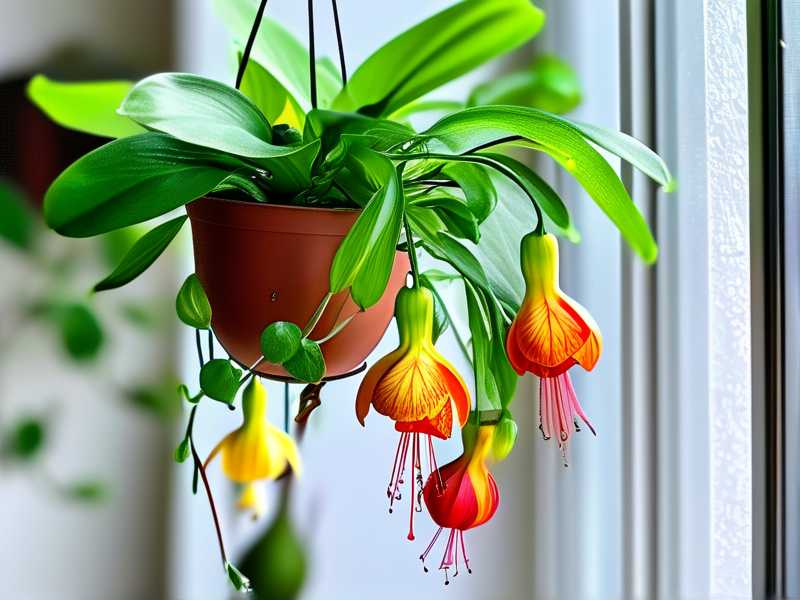
Place your chlorophytum in a sturdy hanging planter at least 5 feet off the ground, away from furniture your pet can jump onto. That’s the simplest solution I’ve found after nearly killing two spider plants to my cat’s obsession with chewing leaves. Honestly, I learned this the hard way. My cat Luna chewed through three mature leaves in one afternoon. Now I keep my chlorophytum hanging in a corner she can’t reach, and it’s thriving without a single bite mark.
Why Your Pet Loves Chewing Chlorophytum Leaves
I used to think my cat just hated my plants. But after digging into it, I found out something interesting. The RHS (Royal Horticultural Society) notes that spider plants contain mild hallucinogenic compounds that attract cats. It’s not malicious. It’s a natural curiosity. Many cats find the long, grass-like leaves irresistible. I’ve seen my dog sniff and nibble too. The problem is that repeated chewing damages the plant and can upset your pet’s stomach. According to the AHS (American Horticultural Society), even non-toxic plants like chlorophytum can cause mild vomiting if ingested in large amounts. So keeping them out of reach is not just about plant health. It’s about pet safety.
The 3 Deadly Mistakes I Made as a Beginner with Pet-Friendly Plants
Mistake #1: Overwatering – The Silent Killer
I killed my first chlorophytum within three weeks. I thought I was being caring. I watered it every two days. Big mistake. The leaves turned yellow, then brown, then the roots rotted. I later learned that 90% of indoor plants die from overwatering. Seriously. It’s that common. My chlorophytum was sitting in soggy soil, and my cat kept digging in the wet dirt because it was fun. The solution? I switched to a well-draining pot with holes. Now I only water when the top two inches of soil feel dry. I use my finger to check. It’s simple and it works.
Mistake #2: Wrong Light Placement – The Leaf Curling Nightmare
My second plant went into a dark corner of my living room. I thought any spot would do. Within a week, the leaves started curling inward. They looked sad and weak. And because the plant was low and dim, my cat could easily reach it. She loved the stressed, droopy leaves even more. I realized the issue after reading up. Chlorophytum needs bright, indirect light. Direct sun scorches them. Low light makes them stretch and become brittle. Now I hang mine near an east-facing window. The morning sun is perfect. The leaves are firm and green, and my cat can’t climb that high.
Mistake #3: Wrong Pot Selection – The Tipping Hazard
I tried a lightweight plastic pot on a shelf. Bad idea. My cat jumped up, knocked it over, and the plant went crashing. Soil everywhere, broken leaves, and a scared cat. I learned the hard way that hanging pots need to be heavy enough to stay stable. I switched to a ceramic hanging planter with a thick rope. It’s heavy, so even if my cat swats at it, it doesn’t swing much. The extra weight also helps it stay put in breezes from open windows. Plus, ceramic doesn’t absorb moisture like terracotta, which means better water retention without root rot.
My Step-by-Step Process for Safe Hanging Placement
Step 1: Choose the Right Hanging Planter
I spent an afternoon at the garden store picking out a planter. I went with a 10-inch ceramic hanging pot with a drainage saucer attached. The saucer catches excess water, so no drips on my floor. I also added a sturdy macrame hanger rated for 20 pounds. My chlorophytum grows fast, so the pot needs to support its weight. Honestly, don’t skimp on the hardware. A cheap hook can snap and cause a mess.
Step 2: Pick the Perfect Spot
I tested three spots over two weeks. The first was above my sofa. Bad choice. My cat used the couch as a launchpad. She almost reached it. The second was near the kitchen window, but the curtain got in the way. The third spot worked. It’s in a corner of my living room, 5.5 feet high, with a hook screwed into a ceiling joist. The spot gets bright indirect light from two windows. I check daily: no direct sun, no shadow zones. My cat can’t jump there because there’s no furniture nearby.
Step 3: Secure the Hanging System
I used a heavy-duty ceiling hook rated for 50 pounds. I drilled a pilot hole first to avoid cracking the ceiling. Then I screwed the hook in tight. I hung the planter and gave it a gentle tug. No movement. I also added a small D-ring on the wall next to it to tie the rope extra secure. This keeps the planter from swinging in drafts. My cat tried to bat at it once. The planter barely moved. She gave up after two attempts.
Step 4: Train Your Pet Away from the Plant
I’m not a professional trainer, but I used simple tricks. I placed double-sided tape on the rope near the hook. Cats hate sticky textures. I also sprayed a pet-safe bitter apple spray on the bottom leaves that hang low. My cat licked it once and stopped trying. After two weeks, she doesn’t even look at the plant. I also provide her with cat grass in a separate pot. That satisfies her chewing urge. The AHS recommends providing alternative plants like catnip for pets. It works for me.
My 2-Week Observation Results: What Really Happened
Week 1: The Transition Period
Day 1: I hung the chlorophytum at 5.5 feet. My cat stared at it from the floor. She tried jumping but couldn’t reach. Day 3: I noticed she started ignoring it. The plant itself looked a bit shocked from the move. Two lower leaves turned pale. I trimmed them off. Day 5: The remaining leaves perked up. The roots adjusted to the new pot. I watered once on day 4 because the top soil was dry. Day 7: New growth appeared. Tiny white shoots at the base. My cat didn’t attempt any more jumps. I felt relief.
Week 2: Full Recovery and Peace
Day 8: The plant looked stable. No leaf damage. No signs of stress. Day 10: I noticed longer, greener leaves. The spiderettes (baby plants) started forming. Day 12: I had to tie back one hanging spiderette because it drooped too low. My cat sniffed it but didn’t bite. Day 14: The plant is thriving. New growth is visible daily. My cat sleeps under the planter without interest. I’ve been watering once every 6 days now. The soil stays slightly damp but not wet. Honestly, this is the healthiest my chlorophytum has ever been.
Common Issues I Encountered and How I Fixed Them
The Plant Swung Too Much in Breezes
I live in an apartment with old windows. Drafts made the planter swing like a pendulum. That scared my cat and stressed the plant. I fixed it by adding a small S-hook to attach the rope to a nearby wall bracket. Now it’s stable even when the window is open. You can also use a plant caddy hook that locks in place.
The Hanger Rope Started Fraying After a Week
The macrame hanger I bought was cheap. The rope started shedding fibers. I replaced it with a nylon-coated wire hanger from a hardware store. It’s stronger and doesn’t fray. Plus, it’s easier to clean. I also wrapped the top section with soft cloth to avoid scratching the ceiling paint.
My Cat Still Tried to Jump on the First Day
She’s persistent. I placed a small static mat on the floor below the planter. When she landed on it, she didn’t like the texture. She avoided that area after two attempts. You can also use aluminum foil. Cats hate its crinkle sound. I kept the mat for a week. Then I removed it. She doesn’t go near the spot anymore.
Bonus Tips for Keeping Your Chlorophytum Pet-Safe Long-Term
First, regularly trim any low-hanging leaves. Spider plants produce long runners with baby plants. These can droop within reach of curious noses. I cut mine back every few weeks to keep them above 4 feet.
Second, rotate the planter every month. This ensures even growth on all sides. My chlorophytum started leaning toward the window. A quarter turn every 30 days keeps it symmetrical.
Third, use a moisture meter. This is a cheap tool that costs under $10. It prevents overwatering. I check the soil before every watering. When the meter reads “dry” at the 2-inch mark, I water. No guesswork.
Fourth, consider using a covered hanging pot. Some designs have a lid that hides the soil. This prevents your pet from digging in the dirt. I bought one with a removable top. It keeps the soil clean and reduces mess.
Fifth, always quarantine new plants. I once brought home a spider plant from a nursery that had spider mites. My cat got interested because the leaves looked weird. I isolated it for two weeks before hanging it. Now I inspect every new plant for pests.
Frequently Asked Questions About Pet-Friendly Chlorophytum
Is chlorophytum really safe for cats and dogs?
Yes, according to the ASPCA, spider plants are non-toxic to both cats and dogs. But that doesn’t mean it’s ideal for them to eat. The RHS points out that while not poisonous, the plant can cause mild digestive upset if ingested in large amounts. I’ve seen my cat vomit once after chewing a leaf. It wasn’t serious, but I’d rather avoid it. Hanging placement prevents this completely.
Can I use a regular pot on a high shelf instead of hanging?
You can, but I don’t recommend it. I tried placing a chlorophytum on a tall bookshelf. My cat jumped onto the shelf next to it. The pot was unstable and tipped over. Hanging planters are more secure because pets can’t easily knock them sideways. Plus, hanging allows better airflow around the leaves. The AHS suggests vertical space for trailing plants like spider plants. It mimics their natural growth in the wild.
How often should I water a hanging chlorophytum?
Less than you think. Since hanging pots dry out slower than floor pots due to better airflow, I water mine every 5-7 days. Stick your finger into the soil. If it’s dry up to your second knuckle, water thoroughly until it drips from the drainage holes. If it’s moist, wait two more days. I learned this after overwatering my first hanging plant. The soil stayed wet for over a week, and the roots started rotting. Now I wait for dry soil and the plant thanks me with new growth.
Final Thoughts from My Experience
Keeping a chlorophytum safe from pets isn’t complicated, but it requires planning. I spent about $40 on materials: the ceramic hanging pot, heavy-duty hook, replacement rope, and a moisture meter. That investment has paid off. My plant is healthier than any of my previous spider plants. My cat is happier because she can’t reach it. And I don’t have to deal with chewed leaves or soil spilled on the floor. If you’re struggling with a pet that loves your plants, try hanging placement. It’s the simplest, most effective solution I’ve found after two years of trial and error. Honestly, just do it. Your plants and pets will thank you.





