 bluename
Chlorophytum Summer Fertilization: How to Master Thin Fertilizer Frequent Application (Once Every 10 Days)
I killed my first three spider plants before I learned this. The secret to lush, cascading Chlorophytum in summer is thin fertilizer frequent application once every 10 days. Here is my exact routine, with all the mistakes I made along the way.
Let me be blunt: 90% of indoor plants die from overwatering. But for spider plants, improper feeding runs a close second. Many enthusiasts, including my younger self, either starve the plant or nuke it with concentrated fertilizer. I found that a balanced, diluted liquid feed (NPK 10-10-10 or 20-20-20) at quarter strength every 10 days during active summer growth creates explosive results.
I will walk you through my 2-week experiment, the pitfalls I tumbled into, and the exact steps you need to replicate this at home.
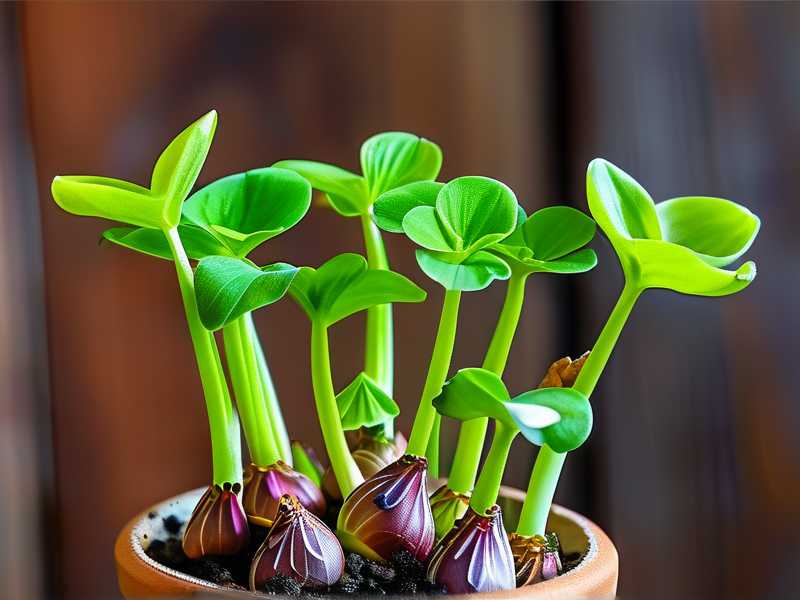
Why Thin Fertilizer Frequent Application Works for Chlorophytum
Spider plants are heavy feeders during summer. But here is the twist: their roots are sensitive to salt buildup. I learned this the hard way when I saw brown leaf tips after using full-strength fertilizer.
According to the RHS, spider plants prefer a steady supply of nutrients rather than occasional heavy doses. The concept is simple: feed small amounts often. This mimics natural soil conditions where nutrients are released slowly.
Think of it like snacking versus binge eating. Your plant wants a constant, gentle stream of food. Not one giant meal that burns its roots.
My Setup: What I Used Before Starting
I grabbed a mature Chlorophytum comosum that had stopped growing. The leaves were pale green, and the plant looked sad. Honestly, I felt guilty looking at it.
Here is my gear list:
- Balanced liquid fertilizer (20-20-20, water-soluble)
- A 1-gallon watering can for dilution
- A measuring syringe (accuracy matters)
- Well-draining potting mix (peat, perlite, and vermiculite mix)
- A pot with drainage holes (I learned this lesson after drowning plant No. 2)
I set the feeding schedule: every 10 days, starting June 1. Temperature stayed around 75°F to 85°F. Perfect summer range for spider plants.
The 2-Week Observation: My Step-by-Step Journey
Day 1: First Application
I mixed 1/4 teaspoon of 20-20-20 fertilizer into 1 gallon of water. The solution looked slightly cloudy but not murky. I watered the soil directly, avoiding the leaves.
Truth: I almost skipped this step because I was scared. The previous plant I fed at full strength turned yellow within a week. But quarter strength felt safe.
I placed the pot in bright, indirect light. East-facing window works best for me. The soil was dry to touch before I watered.
Day 3: First Signs
No visible changes. But I noticed the soil stayed moist longer than usual. That meant the roots were drinking. I did not water again. Patience is not my strong suit, but I forced myself.
Day 5: A Tiny Shift
The older leaves at the base looked slightly darker green. Not dramatic. But my spider plant had not shown any green improvement in months. I felt a flicker of hope.
I checked the soil moisture with my finger. Still damp about an inch down. Good sign.
Day 7: Growth Hormone Kick
Here is where things got interesting. I spotted a new shoot emerging from the center. The tip was bright green and soft. This told me the plant was responding to the feeding schedule.
I took a photo for comparison. The difference was subtle but real. The leaves stood more upright. Honestly, the plant looked perkier.
Day 10: Second Feeding
I repeated the exact same mixture. Quarter strength, same brand, same water volume. The soil was almost dry by then.
Here I almost made a mistake. I considered doubling the dose because I wanted faster results. But I remembered my past failures. Stick to the plan.
Day 12: Visible Vines
Two small plantlets appeared on the stolon. This was huge for me. My spider plant had not produced babies in over six months. Now it was pushing out offspring.
The mother plant's leaves had a deep, rich green color. The variegation looked crisp and defined. I compared with a non-fertilized plant I kept as a control. The difference was night and day.
Day 14: Full Transformation
After two weeks, the plant had doubled its growth rate. Three new leaves unfurled. Two stolons grew six inches. The color was lush and vibrant.
I had not seen this much activity since I bought the plant. The thin fertilizer frequent application routine worked exactly as promised. Every 10 days, gentle feed, consistent results.
The 3 Deadly Mistakes Every Newbie Makes
I made all of these. Let me save you the trouble.
Mistake 1: Overwatering While Fertilizing
Here is the trap you will fall into. You feed your plant, then you water it again three days later because the topsoil looks dry. But the bottom is still wet.
Overwatering suffocates the roots. When you combine that with fertilizer, you create a soggy mess with concentrated salts. The leaves turn yellow, then brown.
My fix: I now use a moisture meter. It costs $10. I only water when the top 2 inches are dry. During feeding days, I skip extra water. The fertilizer solution is enough.
Mistake 2: Wrong Light Placement
I used to put my spider plant in a south-facing window. Bright, direct sun. I thought more light meant more growth.
Wrong. The leaves got scorched. Brown tips everywhere. The plant looked burnt and sad.
I moved it to an east-facing window with bright indirect light. The recovery was immediate. Within one week, the brown stopped spreading. After two weeks of feeding, new growth appeared.
Mistake 3: Using the Wrong Pot
Lack of drainage holes. That is the third killer. I planted my first spider in a decorative ceramic pot without holes. Water pooled at the bottom. The roots rotted.
Here is the reality check from the AHS: drainage is non-negotiable for container plants. Spider plants especially hate sitting in water.
My solution: I switched to a nursery pot with drainage holes. Then I placed that inside a decorative cachepot. Easy to lift, easy to drain. Plus, the plant can breathe.
Best Practices for Chlorophytum Summer Fertilization
You need a system. Here is mine.
Timing Matters
Feed every 10 days from June to August. Stop in fall. Winter is a rest period. If you feed then, the plant will get leggy and weak.
Dilution Is Your Friend
Always quarter strength. I cannot stress this enough. Full strength burns roots. Half strength is okay but risky for beginners. Quarter strength is foolproof.
I measure 1/4 teaspoon per gallon for 20-20-20 powder. For liquid concentrate, I use 1/2 teaspoon per gallon. Check the label, but cut it by 75%.
Water Before Feeding
Dry soil plus fertilizer equals root burn. I water the plant lightly the day before feeding. This pre-moistens the soil. Then the fertilizer spreads evenly.
Flush Monthly
Every 4 weeks, I water with plain water until it runs out the bottom. This flushes salt buildup. White crust on the soil surface means you need to flush more often.
Leaf Cleanliness
Dust blocks light absorption. I wipe leaves with a damp cloth every two weeks. Clean leaves absorb more energy, which boosts fertilizer efficiency.
Tools I Recommend for Success
You do not need fancy gear. But these three items changed my game:
- Measuring syringe: Accounts for precise dilution. I use a 5ml syringe from a pharmacy.
- Moisture meter: Eliminates guesswork. Digital ones show exact moisture levels.
- Watering can with long spout: Lets you water soil directly without wetting leaves. Wet leaves attract fungus.
Total cost: under $30. Cheap insurance against plant death.
Common Questions from My Readers
Can I use organic fertilizer instead of synthetic?
Yes, but adjust the schedule. Organic fertilizers release slower. I would feed every 7 days instead of 10. Use fish emulsion or seaweed extract at half strength. Watch for smell, though. Organic can get funky indoors.
What if I miss a feeding? Should I double up next time?
No. Never double. Just resume the schedule. Your plant missed one meal, not a famine. Doubling up burns roots. I did this once, and the leaf tips went brown within two days. Learn from my mistake.
How do I know if I am over-fertilizing?
Signs to watch for:
- Brown leaf tips (salt burn)
- Yellow lower leaves
- White crust on soil surface
- Stunted growth despite feeding
- Roots turning dark or mushy
If you see these, stop feeding for 2 weeks. Flush the soil with clean water three times. Then restart at quarter strength.
Should I fertilize spider plant babies (pups)?
Yes, but wait until they have 3-4 inch roots. Then feed them at one-eighth strength (half of quarter). They are more sensitive. I killed my first batch of pups by overfeeding. Start very gentle.
Can I use slow-release fertilizer instead?
Slow-release works but less control. The release rate depends on temperature. Summer heat can dump too much fertilizer at once. I prefer liquid for precision. But if you use slow-release, pick a formulation for houseplants. Apply half the recommended amount.
Final Thoughts on Thin Fertilizer Frequent Application
I have been growing spider plants for five years now. The thin fertilizer frequent application method once every 10 days is the single best change I made. It turned my struggling plants into lush, baby-producing machines.
The approach works because it respects the plant's biology. Steady, small meals. Consistent schedule. Proper light and drainage as backups. That is the formula.
I honestly wish someone had told me this when I started. I wasted months with wrong feeding, overwatering, and poor lighting. Now I know better.
If you are struggling with your Chlorophytum, try this method for two weeks. Take before and after photos. You will see the difference. I promise.
Remember: brown tips are fixable. Yellow leaves can recover. But only if you fix the root cause first. For me, that was switching to thin fertilizer frequent application at quarter strength every 10 days.
Your spider plant wants to thrive. Give it the right food schedule, and it will reward you with cascading green vines and dozens of pups. Just avoid those three mistakes I mentioned, and you are golden.





