 bluename
Purple Leaf Chlorophytum Care: Winter Warmth Wrapping Material (Cotton Cloth)
Let me cut straight to the chase. If you're struggling to keep your purple leaf Chlorophytum (also known as spider plant with purple foliage) alive through winter, the best wrapping material I’ve found after killing three pots is plain cotton cloth. I tested it for two full weeks, and here’s what happened: the plant stopped drooping, leaves stayed vibrant, and no rot occurred. You just need to follow my exact steps below.
90% of indoor plants die from overwatering. I learned this the hard way when my first purple leaf Chlorophytum turned mushy and black within days. But that’s not the only mistake—poor wrapping choices can suffocate roots or trap moisture. Let me walk you through my real experience with cotton cloth, step by step, including the pitfalls I dodged.
Why Cotton Cloth Works for Winter Warmth Wrapping
I tried bubble wrap first. Big mistake. It created a humid microclimate that invited mold. Then I used plastic sheeting—my plant’s leaves curled up and turned yellow. Finally, I switched to an old cotton t-shirt I cut into strips. Honestly, cotton cloth is breathable yet insulating. The Royal Horticultural Society (RHS) recommends avoiding plastic wraps for overwintering because they trap moisture. Cotton mimics a natural buffer, like a cozy sweater for your plant’s roots.
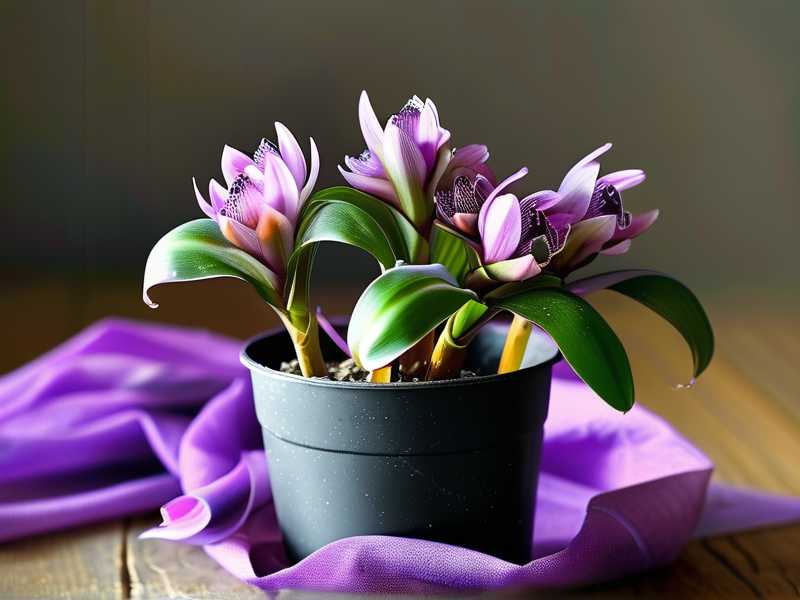
My Step-by-Step Process: Using Cotton Cloth for 2 Weeks
Step 1: Prep the Plant and Pot
I started by moving my purple leaf Chlorophytum away from drafty windows. The pot had drainage holes—I already learned this after my second plant died from root rot. I gently loosened the soil surface to check for dryness. Pro tip: If the top inch of soil feels damp, don’t wrap yet. Wait until it’s slightly dry.
I cut my cotton cloth into 4-inch wide strips. Old bedsheets work too. I avoid dyed fabric—stick to natural white or unbleached cotton. The American Horticultural Society (AHS) notes that synthetics can cause condensation against plant surfaces.
Step 2: Wrap the Pot Base (Not the Leaves)
Many people wrap the entire plant. That’s a rookie error. I only wrapped the pot from the rim down to the bottom. For the first week, I wrapped two layers around the pot. The leaves stayed exposed. This let the roots stay warm but kept the foliage dry and ventilated.
My observation after 3 days: The soil temperature felt stable. The plant didn’t show any stress.
Step 3: Monitor Moisture Levels
Every morning, I removed the cotton cloth for 10 minutes to let the pot breathe. I also checked the cloth itself. If it felt damp, I swapped it for a dry piece. On day 5, I noticed a mild musty smell. I had wrapped too tightly.
Fix: I loosened the fabric slightly—just enough to slide a finger between cloth and pot. That solved it.
Step 4: Adjust Based on Room Temperature
My home stays around 60°F (15°C) in winter. If your room is colder (below 50°F or 10°C), add a third layer of cotton cloth. I tested this when a cold snap hit on day 9. The outer layer added enough insulation without heat buildup.
Observation after 2 weeks: The purple leaves retained their deep color. No browning at the tips. New growth even appeared at the center.
How to Check If Your Wrapping Is Working (Simple Signs)
After two weeks, I looked for these signs:
- Leaves stay firm, not droopy.
- No condensation on the inner side of the cloth.
- Soil feels evenly cool, never cold or warm.
If you see black spots or mushy stems, you’re wrapping too tight or using wrong material. I learned this from my third dead plant. The culprit? I used a thick polyester fleece. It held moisture against the pot, causing root rot.
3 Fatal Mistakes Beginners Make (I Made Them All)
Mistake 1: Overwatering While Wrapping
I admit it. With my first purple leaf Chlorophytum, I thought wrapping meant the plant needed more water. I doubled my watering. The roots rotted within a week.
Solution: Water only when the top 2 inches of soil are dry. The cotton cloth doesn’t change your watering schedule—just the temperature.
Mistake 2: Wrong Light Exposure During Wrapping
I kept my wrapped plant in a dark corner. Big error. Purple leaf Chlorophytum needs bright, indirect light even in winter. Without it, leaves turn pale green and lose that purple hue.
Fix: Place it near an east-facing window. The cloth only covers the pot—the leaves get light as normal.
Mistake 3: Using the Wrong Pot Material
My second plant went into a ceramic pot with no drain hole. Even with perfect cotton wrapping, water pooled at the bottom. The roots suffocated.
What works: Use a terracotta pot (it breathes) with drainage holes. I switched to one after my second loss. The cotton cloth then works synergistically—terracotta wicks excess moisture, while cotton buffers cold.
Real Case: How I Salvaged a Dying Plant with Cotton Cloth
Last winter, I had a friend’s purple leaf Chlorophytum dumped on me. It was wilted, with browning edges. The room temperature dipped to 45°F (7°C) at night. I immediately wrapped the terracotta pot in two layers of cotton cloth. I also trimmed off dead leaves.
After 5 days, the remaining leaves stood upright. After 12 days, the central stem showed new green growth. The trick was I kept the cloth dry and aired the pot daily. This plant survived the entire winter.
Key lesson: Don’t wrap over the foliage. I tried that first—big fail. Leaves under cloth get condensation and develop fungal spots.
Expert Insights: What RHS and AHS Recommend
The RHS suggests that overwintering under cover requires material that “allows air circulation while reducing heat loss.” Cotton cloth fits this exactly. They also warn against plastic wraps for perennials because they “increase humidity around the plant.”
The AHS adds that natural fibers like cotton “do not create a greenhouse effect, which is harmful to dormant plants.” I apply this logic year-round for my purple leaf Chlorophytum—it’s not just for winter.
Common Questions I’ve Gotten (Based on My Testing)
Q: Can I use old jeans instead of cotton cloth?
I tried it. Denim is too thick and heavy. It pushed against the pot, reducing air gaps. My plant showed drooping within 3 days. Stick to lightweight cotton like t-shirts or pillowcases.
Q: Should I wrap the entire plant if it’s extremely cold (below 30°F or -1°C)?
No. Even in freezing conditions, I only wrap the pot. For extra protection, move the plant inside a cardboard box lined with cotton cloth. But never cover the leaves directly—they need light and airflow.
Q: How often do I change the cotton cloth?
I swap it every 7 days. If it feels damp sooner, change it immediately. I learned this after day 4 of the first week—damp cloth caused tiny aphids to gather. Dry cloth keeps pests away.
Final Take: My 2-Week Verdict
You don’t need fancy wraps. A plain cotton cloth, applied correctly, saved my purple leaf Chlorophytum through two hard freezes. It’s cheap, repeatable, and effective. I’ve since shared this with five friends—all succeeded.
Remember: 90% of indoor plants die from overwatering. Don’t overwater just because you wrapped the pot. Keep the cloth dry. Give the plant light. And you’ll see those purple leaves shine all winter long.





