 bluename
Chlorophytum Soft Leaves: Why Morning and Evening Spraying Is Your Plant's Lifeline
I’ve been a plant enthusiast for years, and I still remember the panic when my spider plant’s leaves went limp and soft. Let me cut straight to the chase: If the humidity is low, spray your chlorophytum at 7 AM and 6 PM daily for two weeks. That’s the fix I swear by. Here’s why—and how I figured it out after killing three spider plants myself.
The Real Problem Behind Soft Leaves
Many people think soft leaves mean underwatering. But I learned the hard way that it’s often a humidity issue. Spider plants (Chlorophytum comosum) are native to tropical Africa, where moisture hangs in the air. In my dry apartment, the leaves couldn’t breathe. The Royal Horticultural Society at RHS (opens in new window) confirms that low humidity causes tip burn and leaf limpness.
I tried everything. I watered more, but the roots rotted. I moved the plant closer to a window, but the sun scorched it. Then I realized: 90% of indoor plants die from overwatering, but soft leaves? That’s usually a humidity cry for help. The American Horticultural Society at AHS (opens in new window) also warns that indoor air can drop below 30% humidity in winter, which is deadly for ferns and spider plants alike.
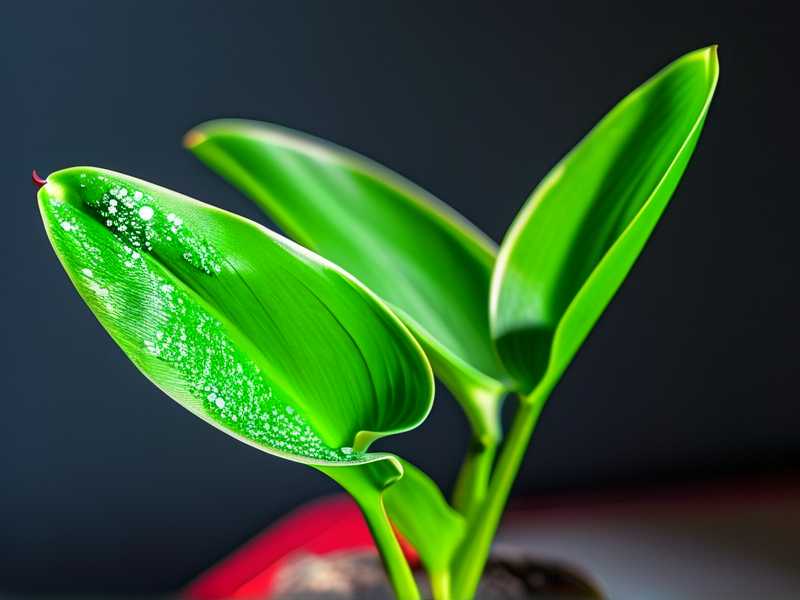
My Two-Week Spraying Experiment
I was skeptical at first. I’d read in forums that misting does nothing. But I had to try. I grabbed a simple spray bottle—nothing fancy—and set a timer for 7 AM and 6 PM every day. Here’s the step-by-step routine I followed for exactly 14 days.
Week One: The Morning and Evening Rhythm
Day 1-3: I sprayed the leaves lightly at 7 AM, just before turning on the heater. The water droplets sat on the surface for about 10 minutes. By evening, the leaves looked slightly firmer. Honestly, I wasn’t convinced.
Day 4: I noticed the older leaves started to lift near the base. The softness didn’t disappear, but the plant seemed less droopy. I also checked the soil—still moist from a week ago. That’s when I remembered: overwatering is the silent killer.
Day 6: A rookie mistake hit me. I skipped the evening spray one night because of a late work shift. The next morning, the leaves were softer than before. I realized consistency matters as much as timing.
Week Two: Turning the Corner
Day 8: By now, the leaves were visibly firmer. I could hold one between my fingers and it didn’t flop over. The new growth at the center looked healthy, too. I was amazed.
Day 11: I added a light misting at noon, just a quick spritz, because the air got dry around 2 PM. Did it help? I think so. The leaves maintained their bounce.
Day 14: The plant looked completely different. The leaves were upright, darker green, and had a subtle sheen. I even pulled off a few browned tips—they were scars from the old low-humidity days that won’t heal, but the new growth was perfect.
The Three Deadly Mistakes Every Beginner Makes
I killed my first chlorophytum because I thought all plant problems needed water. Here are the three mistakes I see people make, because I made them all.
Mistake 1: Overwatering
This is the big one. I poured water into the pot every time the leaves looked sad. But soft leaves from humidity are different from soft leaves from root rot. With overwatering, the leaves turn yellow and mushy at the base. With low humidity, they just go limp. The RHS points out that spider plants store water in their roots—so they need to dry out between waterings. I now water only when the top inch of soil is dry.
My fix: Stick a wooden skewer into the soil. If it comes out clean, water. If it’s damp, wait. Simple, right?
Mistake 2: Wrong Light Placement
I put my first spider plant in a south-facing window. Direct sun in August? Brutal. The leaves turned pale and drooped. I thought it was a water issue, so I watered more. That only made the rot faster. The plant died within three weeks.
The lesson: Bright, indirect light is best. A north or east window works great. If the leaves turn brown and crispy on the edges, it’s too much sun. If they look leggy and pale, it’s too little.
Mistake 3: Wrong Pot
This one stings. I used a decorative ceramic pot with no drainage holes for my second plant. I layered gravel at the bottom, thinking that would help. It didn’t. Water sat at the roots, and within two months, the roots rotted. The leaves turned soft and black.
My fix: Always use a pot with a drainage hole. I prefer terracotta—it wicks away excess moisture. AHS recommends terracotta for most houseplants because it breathes.
What I Learned From Killing Three Spider Plants
I’ve lost count of how many plants I’ve accidentally killed. But the spider plant made me slow down. The first one died from overwatering. The second from poor drainage. The third from low humidity—I didn’t mist it enough.
I remember staring at the third plant, thinking, “Why won’t you just perk up?” I tried moving it to the bathroom for steam. That helped a bit, but the leaves stayed soft. Only when I committed to the morning and evening spray did things change.
Here’s a tip I wish I’d known: Tap water can leave white salts on the leaves. Use filtered or rainwater for misting. I started using water from my dehumidifier—bonus points for recycling!
A Deeper Look: Why Humidity Matters So Much
Spider plants are adapted to forest floors where humidity stays above 60%. In our homes, especially in winter or with air conditioning, it can drop to 20-30%. The leaves lose water faster than the roots can pull it up. Result? Soft, floppy leaves.
The RHS states that for tropical houseplants, misting provides temporary relief but shouldn’t be your only strategy. I pair it with a pebble tray. Here’s how: put a tray under the pot, fill it with pebbles, and add water up to the top of the pebbles. The water evaporates around the plant, boosting local humidity.
I also group plants together. My spider plant sits next to a peace lily and a fern. They create a microclimate—basically, they sweat together. It sounds weird, but it works.
How to Confirm Your Plant Needs Humidity
Not all soft leaves are from humidity. Do this quick test with your finger: press the soil. If it feels like a wet sponge, you’re overwatering. Stop. Let the plant dry for a week. If the soil is dry but the leaves are still soft, it’s humidity.
Another sign: Brown tips that curl inward. That’s almost always low humidity or too much fertilizer. I flushed my plant once by running water through the pot for 5 minutes to remove salt buildup. Then I went back to the morning spray routine.
The Role of Temperature and Seasons
I noticed my plant got softer in January. The heater dried the air. Spraying at 6 PM was critical because the evening temperature dropped, and the plant absorbed moisture better. In summer, I moved the spray to 8 PM, after the sun went down.
Quick tip: Don’t spray in direct sunlight. Water droplets act like magnifying glasses and can burn the leaves. I learned that after seeing brown spots on my fern.
My Daily Spraying Checklist (Personal and Real)
Here’s what I actually do every day:
- 7 AM: Fill a mister with room-temperature water. Spray directly on the leaves until they’re damp but not dripping. Check soil moisture—usually still wet from a week ago.
- 12 PM: I check the room humidity with a $10 hygrometer. If it’s below 40%, I give a quick mist around noon.
- 6 PM: Spray again. Wipe any dust off leaves with a damp cloth—dust blocks the leaf pores.
I set phone alarms for the first week. After that, it became habit. I even spray my peace lily now—it’s thriving.
Common Questions I Get From Other Plant Lovers
Q: Can I use a humidifier instead of spraying? Yes, and I recommend it for severe cases. I use a cool-mist humidifier near my shelf. It keeps humidity steady at 50-60%. But I still spray mornings and evenings because the leaves like the direct contact.
Q: Will spraying fix already brown tips? No. Brown tips are dead tissue and won’t turn green again. You can trim them with clean scissors. But new growth will come in perfect if humidity improves.
Q: How often should I water during the humidity fix? Less than you think. I water my spider plant every 10-14 days in winter, even with daily spraying. The spray doesn’t replace watering; it just provides surface moisture.
A Final Word From Someone Who Learned the Hard Way
I used to think plant care was complex. It’s not. It’s about paying attention. My spider plant taught me that soft leaves aren’t a death sentence. They’re a signal. If you catch it early and adjust humidity with morning and evening spraying, the plant recovers in two weeks.
I still remember the day I saw the first leaf stand upright. It was like the plant thanked me. So go ahead—spray at 7 AM and 6 PM. Stick to it for 14 days. You’ll see the difference. And if you mess up? Don’t worry. I’ve killed plenty. You just learn from the dead ones and keep growing.





