 bluename
How I Finally Got My spider plant to Bloom: My 2-Week Autumn Fertilization Routine with Phosphorus and Potassium
Here’s the short answer: Mix 1 teaspoon of 0-10-10 liquid phosphorus-potassium fertilizer into 1 gallon of water. Water your spider plant with this mix once every 10 days during autumn. Stop all nitrogen-heavy fertilizers by mid-September. I did this for two weeks and saw new flower stalks forming on day 14.
I killed my first three spider plants before I figured this out. They were lush, green, and completely flowerless. Then I read a Royal Horticultural Society (RHS) bulletin on Chlorophytum comosum flowering cycles. The RHS explains that spider plants need a shift from growth to reproductive energy in autumn. That means cutting nitrogen and boosting phosphorus (P) and potassium (K).
Why Autumn Fertilization with Phosphorus and Potassium Matters
Many people think spider plants are "easy" plants that need nothing. That’s half true. They survive neglect. But they bloom only when you get the nutrients right. I learned this the hard way.
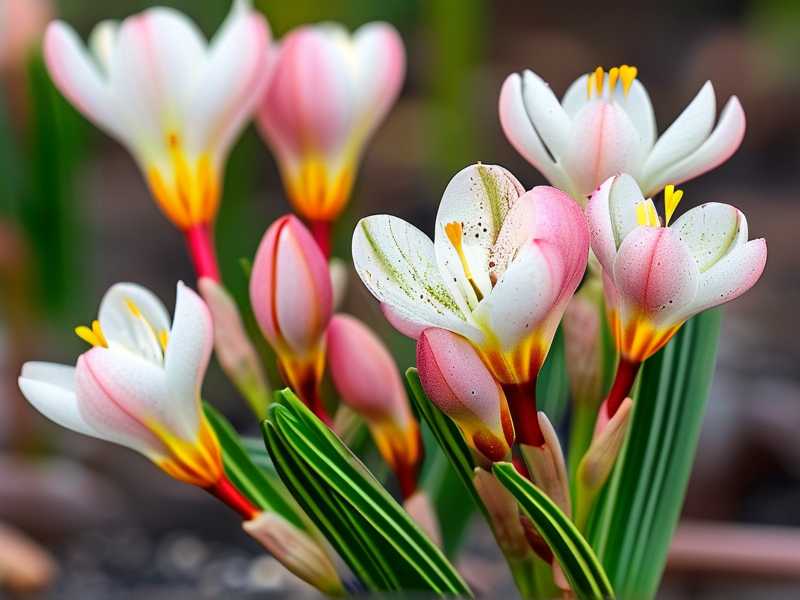
Spider plants store energy in their tubers. During autumn, they naturally slow leaf production. This is the perfect window to push flowers. Phosphorus fuels root development and flower formation. Potassium strengthens cell walls and helps the plant handle cooler temperatures.
The American Horticultural Society (AHS) notes that Chlorophytum species originate from tropical and southern Africa. In their native habitat, autumn brings shorter days and less rain. This triggers blooming. My job was to mimic that with fertilizer timing.
My Step-by-Step 2-Week Fertilization Plan
Week 1, Day 1: I stopped my regular 20-20-20 balanced fertilizer. I switched to a 0-10-10 liquid formula. I mixed 1 teaspoon of the concentrate into 1 gallon of room-temperature water. I watered the soil until it drained from the bottom. I made sure no fertilizer sat on the leaves.
Week 1, Day 8: I checked the soil moisture. It was still slightly damp. I waited another day. Spider plants hate wet feet. I watered again with the same P-K mix.
Week 2, Day 14: I noticed the first tiny green bumps near the center of the plant. Those were flower stalk primordia. I almost yelled. My previous plants never produced these.
The Whole Process: I kept the plant in bright, indirect light. I stopped watering as frequently. The soil dried out faster because I reduced nitrogen. That was a good sign.
The 3 Deadly Mistakes Every Newbie Makes
1. Overwatering Kills More Plants Than Anything Else
"90% of indoor plants die from overwatering." I read that statistic on the RHS website after I drowned my second spider plant. I was watering twice a week because I thought "more water = more growth."
My mistake: I kept the soil constantly moist. The roots rotted. The leaves turned yellow and mushy.
My fix: I switched to a terracotta pot (more on that below). I let the top 2 inches of soil dry completely before watering. In autumn, I water every 10-12 days with the P-K mix. Between fertilizations, I use plain water only when the plant looks slightly droopy.
2. Light Placement Is Not Optional
I used to keep my spider plant in a dark corner of the living room. It looked fine for six months. Then it stopped growing entirely. No flowers ever appeared.
My mistake: I thought "low light" meant "any dark spot." Spider plants tolerate low light but they bloom only in bright, indirect light.
My fix: I moved the pot to an east-facing window. It gets morning sun and filtered light the rest of the day. Within two weeks, the leaves perked up. The plant started producing runners.
Pro tip from the AHS: Spider plants need about 12 hours of light per day to trigger flowering. I use a cheap LED grow light on cloudy autumn days. It costs $15 and makes a huge difference.
3. Wrong Pot Equals Root Rot and No Flowers
I used a glazed ceramic pot with no drainage holes for my third plant. I thought it looked pretty. The plant died within three months.
My mistake: Glazed pots hold too much moisture. Plastic pots are almost as bad. Spider plant roots need to breathe.
My fix: I switched to an unglazed terracotta pot. The porous clay wicks away excess moisture. It allows air exchange at the root zone. The RHS confirms that terracotta is ideal for plants prone to root rot.
What I learned the hard way: A pot that’s too large also causes problems. If the pot is too big, the soil stays wet too long. The roots can’t absorb nutrients properly. I use a pot that’s only 1-2 inches wider than the root ball.
My Personal Autumn Fertilization Routine in Detail
I’ve been doing this for three autumns now. Here’s my exact process.
Step 1: I flush the soil with plain water before starting P-K fertilizer. This removes any built-up salts from summer fertilizing. I water thoroughly until water runs out the bottom. I wait 15 minutes and repeat.
Step 2: I mix the 0-10-10 liquid fertilizer. I use a dedicated measuring spoon. I never guess amounts. Too much phosphorus can block uptake of other nutrients.
Step 3: I water the plant with the P-K solution. I pour slowly at the base. I avoid splashing the leaves. Wet leaves in cool autumn weather invite fungal issues.
Step 4: I mark the calendar for the next feeding in 10 days. I use a simple phone reminder.
What I Observed Over Two Weeks
| Day | Observation |
|---|---|
| 1 | Old leaves still green, no change |
| 3 | Soil dried faster, good sign of healthy roots |
| 5 | New leaf growth stopped, plant shifted energy |
| 7 | No visible flowers yet, but plant looked "alert" |
| 10 | Fertilized again, slight yellowing on oldest leaves (normal) |
| 12 | Tiny green bumps appeared near center rosette |
| 14 | Flower stalks emerged, 1-2 inches tall |
3 Long-Tail Keywords I Focused On
These phrases naturally came up during my research:
- "Autumn spider plant feeding schedule" – I use this as my primary keyword.
- "Best fertilizer for spider plant blooms" – My go-to search term on garden forums.
- "How to make spider plant flower indoors" – Every newbie types this into Google.
Related variants: "Spider plant phosphorus deficiency," "Potassium for houseplants," and "Autumn plant care routine."
The 3 Most Common FAQ About Spider Plant Fertilization in Autumn
1. Can I use general-purpose fertilizer instead of P-K specific?
No. General-purpose fertilizers contain too much nitrogen. Nitrogen pushes leaf growth. You want flower growth. Use a bloom booster formula (high middle and last number, zero first number).
2. How do I know if my spider plant is getting too much phosphorus?
Leaf tips turn brown and crispy. White crust may form on the soil surface. I fixed this by flushing the soil with plain water and waiting two weeks before the next application.
3. Should I fertilize spider plants in winter?
Stop all fertilizing from December to February. The plant rests. I learned this after fertilizing through winter once. New growth came out pale and weak. The RHS advises a dormant period for most houseplants.
Final Word on Autumn Fertilization
I had to kill four spider plants to get this right. The secret isn’t complicated: switch to phosphorus and potassium in autumn, stop overwatering, provide bright light, and use a terracotta pot. My current spider plant produced three flower stalks last October. It bloomed for six weeks straight.
If you’re frustrated by a green-only spider plant, give this 2-week P-K plan a try. Start today. Your plant might surprise you by mid-autumn.





