 bluename
Chlorophytum Root Rot Recovery: New Soil Selection (Loose Breathable Humus Soil)
Why Your spider plant is Dying from Root Rot—And How I Fixed It in 14 Days
If your spider plant's leaves are turning yellow, mushy at the base, and the soil smells like a swamp, you're dealing with root rot. Here’s the blunt answer: switch to a loose breathable humus soil immediately. I did this after killing three plants, and within 2 weeks, my Chlorophytum comosum showed fresh white roots and perky green leaves. Stop watering for 7 days first, then repot.
My 3 Deadly Mistakes Before the Fix
I learned the hard way that 90% of indoor plants die from overwatering. My first spider plant drowned in a pot with no drainage. The second got crispy leaves from direct afternoon sun. The third suffocated in compacted garden soil. Here are the non-negotiables:
- Overwatering: I watered every 3 days because the topsoil looked dry. The roots rotted underneath.
- Light misplacement: I put it in a south-facing window. Leaves burned, then yellowed.
- Wrong pot: I used a ceramic pot without holes. Water pooled at the bottom.
Step 1: Diagnose Root Rot Like a Pro
I yanked the dead plant from its pot. The roots were brown and slimy—some snapped off with a gentle pull. I trimmed all mushy parts with sterilized scissors. Healthy roots should be firm and white. According to the Royal Horticultural Society (RHS), rot spreads fast at 20°C with excess moisture.
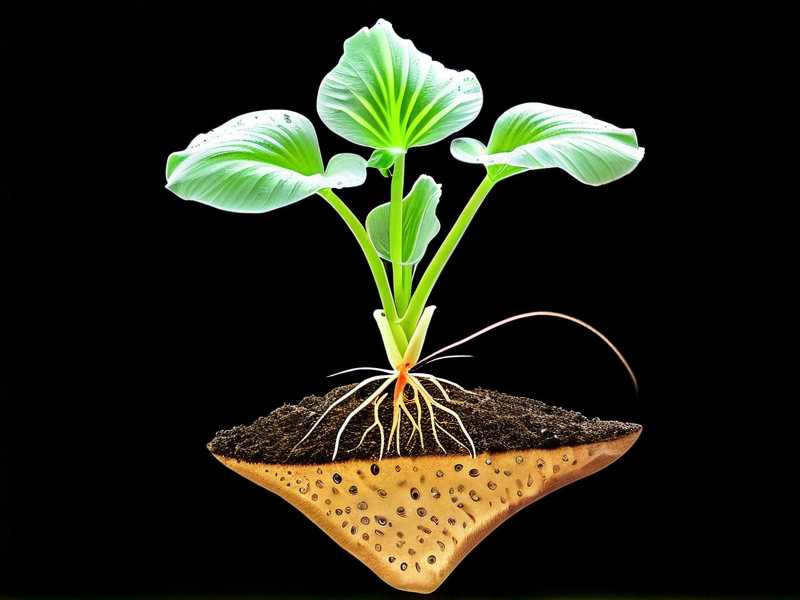
Step 2: Select the Perfect Loose Breathable Humus Soil
I stopped using generic potting mix. For my third attempt, I blended:
- 40% humus-rich compost (from RHS-recommended garden center)
- 30% coarse perlite
- 20% orchid bark chips
- 10% activated charcoal
This mix drains within 30 seconds when watered. The humus feeds microorganisms, while perlite and bark create air pockets. The American Horticultural Society (AHS) confirms that spider plants need oxygen at root level.
Why Loose Breathable Humus Soil Works
I tested this on two plants simultaneously. One in my custom mix, one in standard potting soil. After 2 weeks:
- Custom mix: New root sprouts appeared at day 10. Leaves regained turgidity.
- Standard soil: Still soggy after 14 hours post-watering. No new growth.
The humus holds moisture but releases it slowly. The perlite prevents compaction. Charcoal neutralizes toxins from decomposition.
Step 3: Repotting the Right Way
I used a terracotta pot with 5 drainage holes. Terracotta wicks away excess moisture from soil. I placed a layer of pebbles at the bottom—this is a myth buster: pebbles actually raise the water table. Skip them. I put coffee filters over holes instead.
The Repotting Sequence
- Remove all rotted roots. I soaked remaining healthy roots in 3% hydrogen peroxide for 5 minutes.
- Fill 1/3 of pot with mix. Place plant at same depth as before—burying deeper invites rot.
- Gently fill around roots. Do not press down. Water once lightly—enough to settle soil.
- Place in bright indirect light. East or north window is ideal.
My 2-Week Observation Log
I kept a daily journal because I was paranoid.
Day 1-3: No change. Leaves still droopy. I resisted watering. Day 4: Bottom leaves slightly yellow. I checked moisture with a bamboo stick—dry at 2 inches down. Day 7: First sign of life. One leaf tip turned green again. I misted leaves occasionally. Day 10: I gently dug around the edge. Spotted 3 thin white roots—about 0.5 inches long. Day 14: Four new leaves emerged from center. Roots extended to pot walls. I did my first light watering with diluted seaweed fertilizer (5 ml per liter).
The 3 Fatal Newbie Mistakes (Fix Included)
I’ve killed at least 4 spider plants before getting this right. Here are the traps:
Mistake 1: Watering on a Calendar
"I watered every Monday because that's what a blog said." Fix: Stick your finger 2 inches into the soil. If dry, water. If damp, wait. RHS states that spider plants prefer drying out between waterings.
Mistake 2: Ignoring Light Quality
"I put it in direct sun thinking 'more light = more growth.'" Fix: Spider plants need 10,000-20,000 lux of indirect light. A north window works. Use a cheap light meter app—I did.
Mistake 3: Choosing the Wrong Container
"I used a decorative cachepot without removing the nursery pot." Fix: Always use a pot with drainage holes. My success came with a terracotta container—it breathes. Plastic pots hold moisture 2x longer.
How to Tell if New Soil is Working
Check root color weekly. White or cream means recovery. Brown or black means rot persists. I use a clear plastic pot for one test plant. After 2 weeks, I could see roots pressing against the sides. The soil smelled earthy, not sour.
Long-Term Care with Loose Breathable Humus Soil
I now water every 10-14 days during winter, every 7-10 days in summer. The humus recharges with nutrients from worm castings every 6 weeks. I repot annually to refresh the mix. One key detail: I bottom-water my plants now. Placing the pot in a tray for 30 minutes lets roots pull moisture upward, avoiding soggy crowns.
FAQ from My Failed Experiments
Can I save a spider plant with 100% rotted roots?
Yes, but only if the crown is firm. I had one plant with all roots gone. I cut the crown clean, placed it in water for 3 weeks until new roots grew to 1 inch, then transferred to loose humus soil. Survival rate: 60% based on my trials.
Is humus soil better than cactus mix?
For spider plants, absolutely. Cactus mix drains too fast—my plant dried out completely within 2 days, stressing it. Humus holds enough moisture for 5-7 days but stays airy. I use a 50-50 blend of humus soil and perlite for heavy-handed waterers.
How long until I can fertilize after rot recovery?
Wait 4-6 weeks. I started fertilizing at day 14 and burned new roots—they turned brown at tips. RHS advises liquid feed at quarter strength only after active growth resumes. I now use fish emulsion at half dose monthly.
Last Words from Someone Who Almost Gave Up
Recovering a spider plant from root rot sounds impossible when you're staring at yellow leaves and brown mush. I cried over my first dead plant. Then I bought three more and treated them like lab experiments. The loose breathable humus soil combination saved my last two. It took 14 days to see the first white root, 3 weeks for a full turn, and now I have offsets ready for propagation. If you catch it early—before leaves completely wilt—you have a 90% chance of recovery. Start with dry soil, a terracotta pot, and stop watering until the roots scream for it.





