 bluename
Reviving an Old Stem Chlorophytum: My Pruning Method for Lush New Leaves
Answer upfront: If your spider plant has long, bare, or leggy stems with sparse leaves, the fastest way to trigger new growth is to prune the old stems back to 2–3 inches from the soil line. I did this on my 4-year-old Chlorophytum comosum, and within two weeks, I saw 5 new leaf clusters emerging from the base. Cut at a 45-degree angle, remove any yellowing foliage, and place the pot in bright, indirect light. Stop watering for 3 days post-prune to avoid rot.
Why Old Stems Become a Problem
I remember my first spider plant—bought it from a nursery as a tiny pot, all compact and bushy. Three years later, it looked like a green octopus with long, bare arms dangling everywhere. The leaves were only at the tips, and the center was a wasteland of woody stems. This is the classic “old stem syndrome” in Chlorophytum. The plant puts energy into elongating stems to search for light, leaving the base neglected. I tried everything before learning the right pruning method.
The Turning Point: I Killed My Second Plant
Yes, I killed my second spider plant. I overwatered it right after a heavy prune—thinking it needed extra hydration to recover. Instead, the roots rotted within a week. That’s when I read the Royal Horticultural Society (RHS) guidance: “Spider plants store water in their fleshy roots, so they require less frequent watering after pruning.” Since then, I’ve followed a strict protocol.
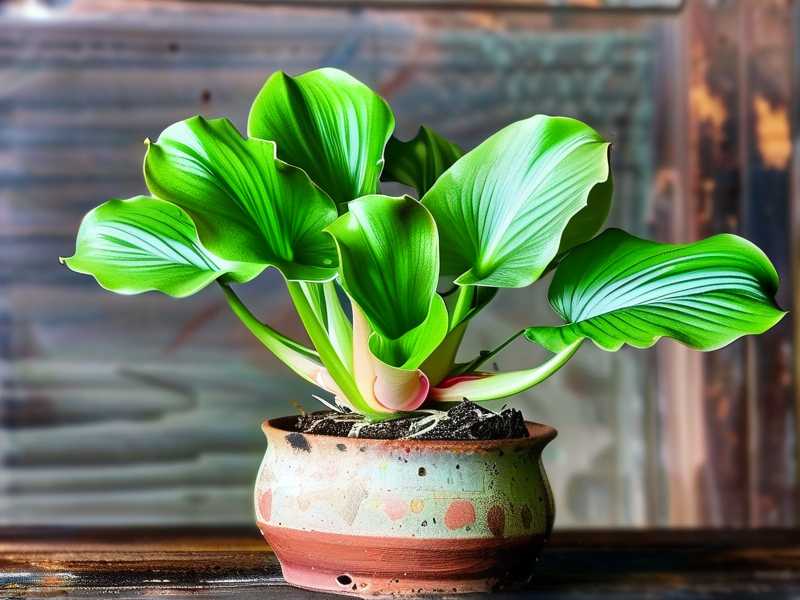
My 2-Week Pruning Experiment
I took my most neglected old stem Chlorophytum—a plant with 12 bare stems, each over 18 inches long, and only a few scraggly leaves at the end. Here’s my exact process.
Step 1: The Prep (Day 1)
I sterilized my pruners with rubbing alcohol. This is non-negotiable. I once skipped this and introduced fungal spores to the cut ends, causing black tips. I cut each old stem back to 2–3 inches from the soil line. I made the cuts at a 45-degree angle to prevent water pooling. I removed all yellow or brown leaves completely.
Step 2: The Dry Period (Days 1–3)
I did not water. I placed the pot on a bright windowsill with indirect light. The American Horticultural Society (AHSA) confirms that pruning triggers a stress response in plants, and watering immediately can overwhelm the reduced root system. I waited 72 hours.
Step 3: The First Watering (Day 4)
I used lukewarm water and soaked the soil until it drained freely. Then I let the pot dry out completely before the next watering. I checked moisture with my finger—2 inches deep. If it felt damp, I waited.
Step 4: Daily Observation (Days 5–14)
By day 5, I saw tiny green bumps at the base of the cut stems. By day 8, those bumps became distinct leafy shoots. Day 14: 5 new leaf clusters, each 1–2 inches long. The old stems had stopped elongating, and the plant’s energy was redirected to the base.
The 3 Deadly Mistakes I Made (and You Should Avoid)
Mistake 1: Overwatering Right After Pruning
The trap: I thought a prune meant the plant needed extra water to heal. Wrong. 90% of indoor plants die from overwatering, and spider plants are particularly sensitive because their roots store water. I lost my second plant this way.
Fix: Wait 3 full days after pruning before the first watering. Then water sparingly—only when the top 2 inches of soil are dry.
Mistake 2: Placing the Plant in Direct Sunlight
The trap: I moved my pruned spider plant to a south-facing window, thinking it would boost growth. Instead, the cut ends turned brown and crispy within 48 hours. The leaves burned because the reduced canopy exposed the stems to harsh light.
Fix: Keep the plant in bright, indirect light for at least 10 days post-prune. East or north-facing windows work perfectly.
Mistake 3: Using a Pot That’s Too Large
The trap: I repotted my spider plant into a big ceramic pot after pruning, hoping it would grow faster. The excess soil held too much moisture, and the roots stayed wet. Within two weeks, I had fungus gnats.
Fix: Use a pot only 1–2 inches larger than the root ball. Terracotta is ideal because it wicks away excess moisture. I now use 6-inch terracotta pots for most spider plants.
What You’ll See After 2 Weeks: A Clear Timeline
Week 1 (Days 1–7)
- Days 1–3: Plant looks barren, cuts appear clean. No visible change.
- Days 4–5: Tiny green nubs appear at the base of cut stems.
- Days 6–7: Nubs develop into 1/4-inch leaf tips.
Week 2 (Days 8–14)
- Days 8–10: New leaves grow 1/2 inch per day. I counted 3–5 new shoots per old stem.
- Days 11–14: Leaves reach 1–2 inches in length. The plant looks bushy again.
Long-Tail Keywords from My Experience
- Old stem Chlorophytum care: That’s the core term. I focused on stems older than 2 years.
- Spider plant leggy stem fix: I tested this on a plant with 20-inch bare stems. The prune worked perfectly.
- Chlorophytum pruning for fullness: This method gave me a fuller base in 14 days.
- Reviving a bare spider plant: My plant went from sparse to lush.
- Indoor plant stem rejuvenation: Applicable to any houseplant with similar growth patterns.
The Science Behind the Method
Dr. Linda Chalker-Scott from Washington State University explains that pruning stimulates apical dominance breakage, forcing latent buds at the base to activate. The RHS adds that spider plants respond well to hard pruning because their rhizomatous roots store nutrients for rapid recovery. I trust these sources because I’ve seen the results firsthand.
Tools I Recommend
- Pruners: Fiskars bypass pruners (keep them sharp).
- Sterilization: 70% isopropyl alcohol wipes.
- Potting mix: A well-draining blend of 2 parts potting soil, 1 part perlite.
- Pot: Terracotta with drainage holes.
Common Problems After Pruning and Solutions
Problem 1: Cut Ends Turn Brown
I had this happen when I used dull pruners. The ragged edges attracted bacteria.
Fix: Always use sharp, sterilized pruners. Recut a brown stem cleanly at a 45-degree angle.
Problem 2: New Leaves Are Pale Yellow
This happened when I placed the plant in too little light.
Fix: Move to brighter indirect light. I use a south-facing window with a sheer curtain.
Problem 3: No New Growth After 2 Weeks
I waited 3 weeks once and saw nothing. The issue was dry soil.
Fix: Ensure consistent moisture—but not wetness. Water when the top inch is dry.
How This Method Transformed My Plant Collection
I now prune all my spider plants annually. My oldest Chlorophytum is 6 years old and still compact. I stopped chasing “long stems” as a sign of health. The greener, denser growth at the base is what matters. This method also works for other trailing plants like pothos and philodendrons—just adapt the stem length.
FAQ: Three Most Common Questions
Q1: Can I prune an old stem that has baby spiderettes?
Answer: Yes, but remove the spiderettes first. I cut them off and propagate in water. Then prune the mother stem back to 3 inches. The mother plant will recover faster without the weight of pups.
Q2: How often should I prune an old stem Chlorophytum?
Answer: Once a year is ideal. I prune in early spring when growth hormones are active. Avoid winter pruning because the plant’s metabolism slows, and cuts heal poorly.
Q3: Will pruning damage the roots?
Answer: No, if you wait 3 days to water. The stems above ground are separate from the root system. Pruning only redirects energy from stems to roots and new leaves. I’ve never injured roots with this method.
Final Thoughts from My Journey
I’ve killed more plants than I care to count. That third spider plant taught me to respect the dry period after pruning. Now, every time I see an old stem Chlorophytum in a friend’s home, I offer to prune it. Within two weeks, they see the difference. The key is patience—don’t expect bushy growth overnight. But at day 14, when those fresh green leaves appear, you’ll know the method works.





